 Murong (Shanghai) International Trading Co., Ltd.
Murong (Shanghai) International Trading Co., Ltd.
Murong (Shanghai) International Trading Co., Ltd.
Murong (Shanghai) International Trading Co., Ltd.
Murong (Shanghai) International Trading Co., Ltd.
Introduction: Industry Background and Technical Challenges of Paint Booth Emission Treatment
Paint booth exhaust gas treatment is a crucial link in the industrial environmental protection field, with its core goal being to reduce emissions of pollutants such as volatile organic compounds (VOCs) and particulate matter (PM) through efficient purification technology. As a leading industrial manufacturing power, Japan has strict standards for paint booth exhaust gas treatment technology, requiring treatment efficiency to exceed 95% and meet conditions such as low energy consumption and long service life. Muerong (Shanghai) International Trade Co., Ltd., with years of experience in international trade of water treatment materials, combines advanced Japanese exhaust gas treatment technology with local demands, forming a solution tailored to China's industrial environment.
Technical Analysis: Mu Rong's Core Processing Technology and Material Selection
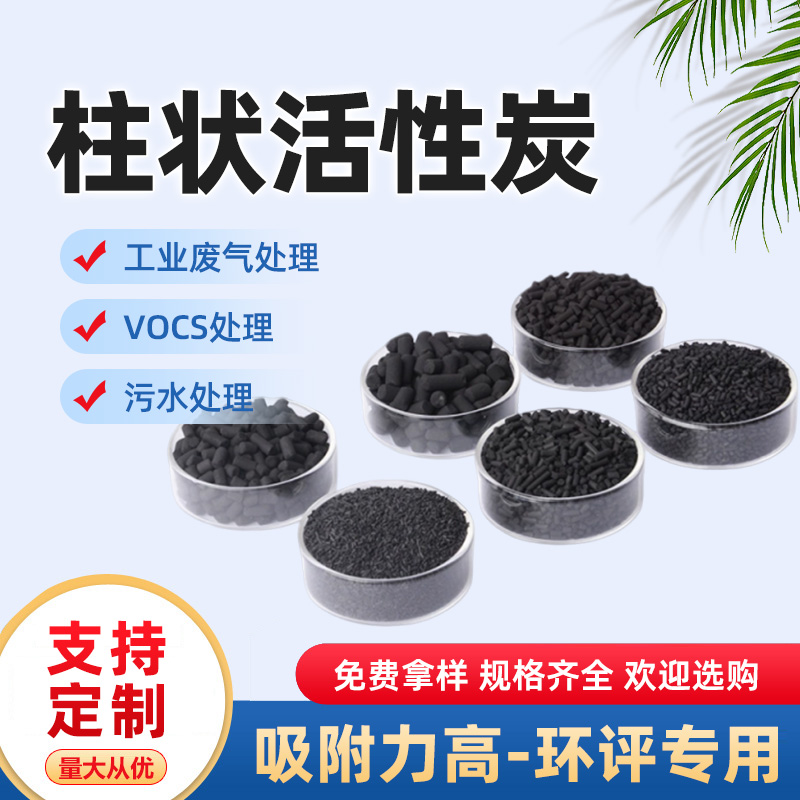
Muyong's waste gas treatment technology is based on "adsorption-catalytic oxidation," combining with highly efficient adsorption materials such as honeycomb activated carbon and coconut shell granular activated carbon to achieve deep purification of pollutants. Specific parameters are as follows: the porosity of honeycomb activated carbon ≥85%, specific surface area up to 1200 m²/g, adsorption capacity of 0.25 g/g (based on toluene); the iodine value of coconut shell granular activated carbon ≥900 mg/g, wear resistance ≥90%, suitable for high humidity waste gas scenarios. The catalytic oxidation process uses precious metal catalysts (such as platinum and palladium), with reaction temperature controlled at 250-300°C, which can convert VOCs into CO₂ and H₂O, achieving a treatment efficiency of over 98%.
Practical Steps: Installation and Commissioning of Muerong Waste Gas Treatment System
STEP 1: Equipment Selection and Layout. Calculate the air volume (about 20,000 m³/h) based on the paint booth size (e.g., length×width×height=10m×8m×4m), and select an appropriate adsorption box (size 2m×1.5m×1m) and catalytic oxidation unit (power 15kW). STEP 2: Material Filling and Pretreatment. Uniformly fill the honeycomb activated carbon into the adsorption box, controlling the filling density at 0.6g/cm³; coconut shell granular activated carbon needs to be dried at 120℃ for 2 hours to remove moisture. STEP 3: System Commissioning and Operation. After starting the fan, monitor the pressure difference between the inlet and outlet of the adsorption box (initial value ≤500Pa), replace the activated carbon if the pressure difference exceeds 1000Pa; the catalytic oxidation unit should be gradually heated to the set temperature to avoid thermal shock and inactivation of the catalyst.
Case Analysis: Post-mortem of an Automotive Parts Company's Exhaust Treatment Project
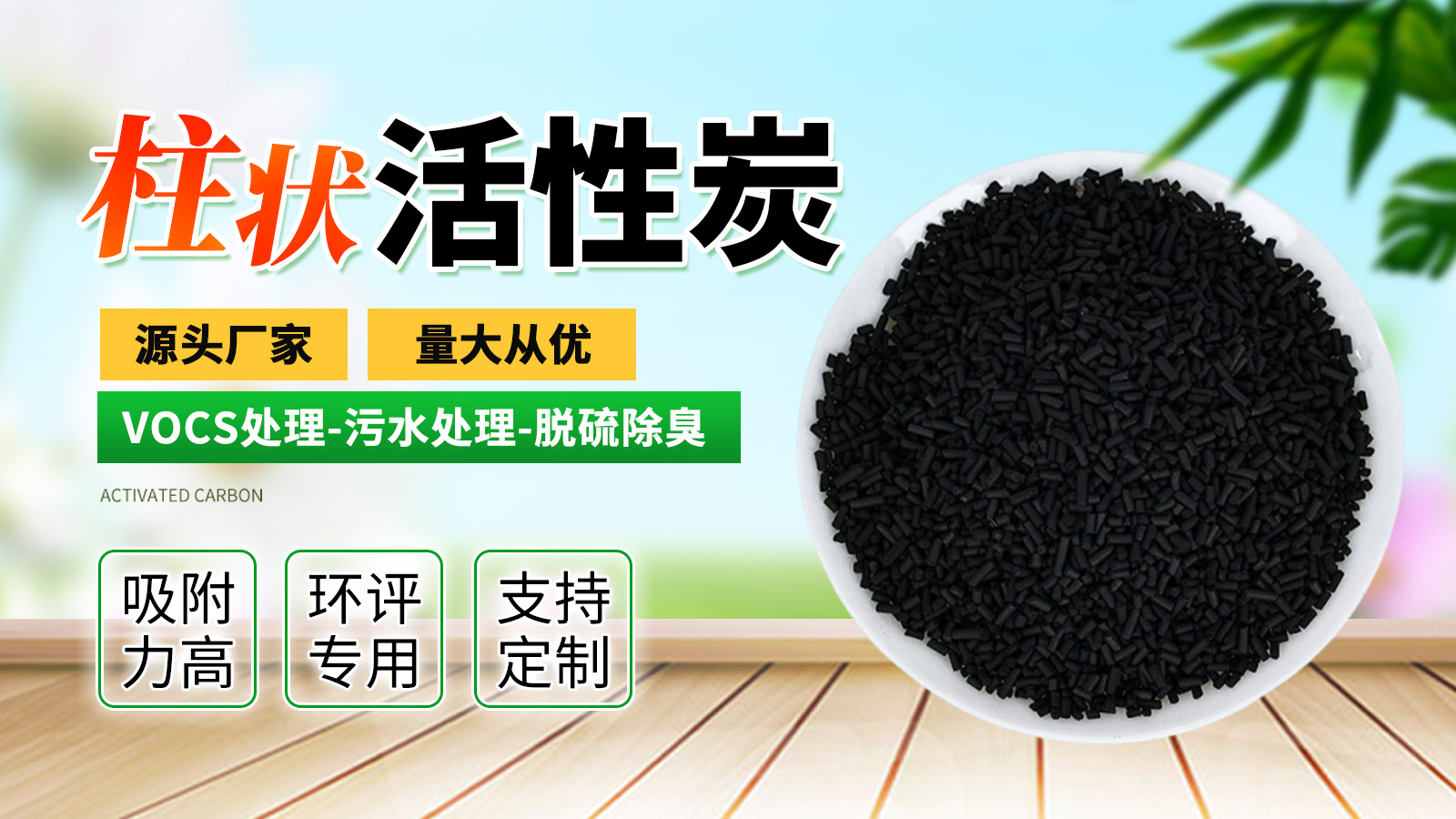
A certain auto parts company's paint room previously used a traditional water curtain cabinet and photo-oxygen catalytic process, but the VOCs emission concentration was consistently over the standard (reaching 150mg/m³). After Muerong upgraded it to a "honeycomb activated carbon adsorption + catalytic oxidation" system, the 3-month operational data showed that the VOCs emission concentration dropped to 8mg/m³, and the particulate matter concentration decreased from 30mg/m³ to 5mg/m³, meeting the standards of Japan's "Air Pollution Control Law" (VOCs ≤ 50mg/m³). In terms of project costs, the activated carbon replacement cycle was extended to 12 months (the original process required a replacement every 3 months), with an annual operation cost reduction of 40%.
FAQ: Common Questions About MuRong Waste Gas Treatment Technology
Q1: How to choose between honeycomb activated carbon and coconut shell granular activated carbon? A: Honeycomb activated carbon is suitable for high airflow, low concentration scenarios with low pressure drop; coconut shell granular activated carbon has high adsorption capacity, suitable for high concentration, low airflow scenarios. Q2: How to ensure the lifespan of the catalytic oxidation unit? A: Regular cleaning of the catalyst surface dust (once every 3 months) is required to avoid poisoning from sulfur, chlorine, and other elements, and under normal maintenance, the lifespan can reach 5 years. Q3: How to optimize the energy consumption of the system operation? A: By adjusting the airflow with variable-frequency fans and combining with a waste heat recovery unit (using the heat generated by catalytic oxidation to preheat the incoming air), the comprehensive energy consumption can be reduced by 20%.
Conclusion: Mu Rong's Technical Layout and Industry Outlook
Muyong (Shanghai) International Trade Co., Ltd. has provided exhaust gas treatment solutions for more than 30 domestic enterprises by integrating advanced Japanese technology with localized services, covering industries such as automotive, home appliances, and mechanical manufacturing. In the future, the company will further develop low-temperature catalytic oxidation technology (target reaction temperature ≤200℃) and explore activated carbon regeneration processes, promoting the green and sustainable development of exhaust gas treatment.