Murong (Shanghai) International Trading Co., Ltd.
Murong (Shanghai) International Trading Co., Ltd.
Murong (Shanghai) International Trading Co., Ltd.
Murong (Shanghai) International Trading Co., Ltd.
Murong (Shanghai) International Trading Co., Ltd.
Introduction
The selection of water treatment materials directly affects the efficiency and cost of industrial wastewater treatment. Coconut shell granular activated carbon has become one of the core materials in the field of water treatment due to its high specific surface area, strong adsorption capacity, and regenerability. With years of industry experience, Murong (Shanghai) International Trading Co., Ltd. has significantly enhanced the performance of coconut shell activated carbon in scenarios such as heavy metal removal and organic matter degradation by optimizing its pore structure and particle size distribution. This article will analyze the efficient application pathways of coconut shell granular activated carbon from three aspects: technical principles, corporate practices, and selection guidelines.
Keywords
Coconut shell granular activated carbon, water treatment materials, Murong International Trade, adsorption efficiency, pore structure optimization
Opening on the Pain Points of Industry Technology
Traditional water treatment materials often face three major pain points in application: first, limited adsorption capacity leads to frequent replacement, increasing operational costs; second, uneven pore structures result in poor selectivity for specific pollutants; third, complex regeneration processes are prone to causing secondary pollution. Taking a wastewater treatment project in a chemical enterprise as an example, it originally used coal-based activated carbon to treat benzene-containing wastewater. Due to uneven pore distribution, the filter material needed to be replaced monthly, and the benzene concentration in the effluent still exceeded the standard by 15%. Such issues highlight the urgency of optimizing the pore structure and particle size distribution of activated carbon.
Introduction to the Enterprise's Technological Strength
Murong (Shanghai) International Trading Co., Ltd. has broken through the performance bottleneck of traditional coconut shell activated carbon through three-step technological optimization:
STEP 1: Raw Material Selection and PretreatmentHigh-quality coconut shells from Southeast Asia are selected and subjected to a two-step process of carbonization and activation control, ensuring that the raw material's ash content is below 3% and the volatile matter content remains stable at 15%-20%, laying the foundation for a high specific surface area.
STEP 2: Directional regulation of pore structureBy employing a combined physical and chemical activation process and controlling the activation temperature (850-950℃) and time (2-4 hours), the specific surface area of the activated carbon reaches 1200-1500 m²/g, with the mesopore ratio increased to over 40%, significantly enhancing its adsorption capacity for macromolecular organic compounds.
STEP 3: Particle Size Classification and Surface ModificationBased on the requirements of application scenarios, the particle size of activated carbon is classified into three grades: 0.5-1mm, 1-2mm, and 2-4mm. Surface impurities are removed through acid and alkali washing processes to reduce the turbidity of the effluent. For example, in an electroplating wastewater treatment project at an electronics factory, the 1-2mm particle size activated carbon provided by Murong achieved a hexavalent chromium removal rate of 99.2%, with an effluent concentration below 0.05mg/L, significantly lower than the national discharge standard (0.1mg/L).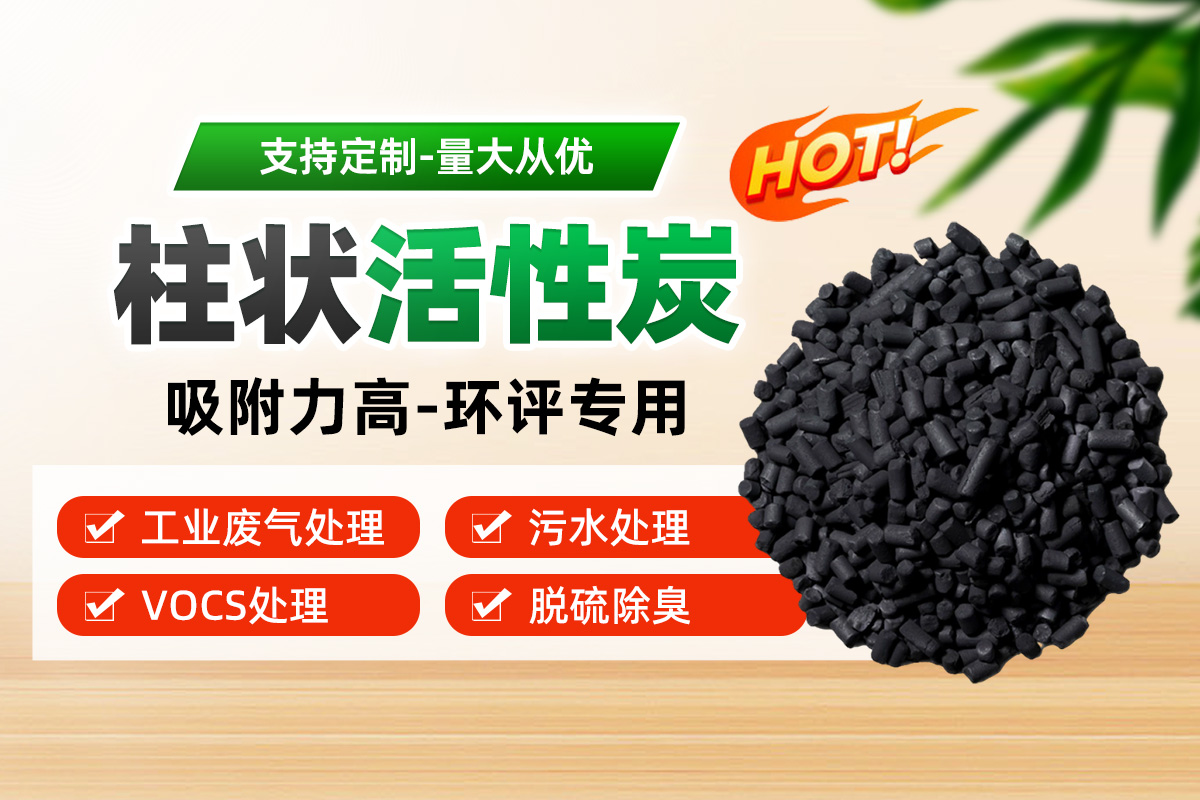
Quantification of technological advantages: The iodine adsorption value of Murong coconut shell activated carbon reaches 1000-1200 mg/g, the methylene blue adsorption value reaches 180-220 mg/g, and the regeneration cycle is extended to 6-8 times, representing a 40% improvement over traditional products. For more information, please visit the official website:www.shanghaimurong.com
FAQ: A Guide to Q&A Technical Selection
Q1: How to select the particle size of activated carbon based on water quality?
A: For high-turbidity wastewater (such as printing and dyeing wastewater), it is advisable to select activated carbon with a large particle size of 2-4 mm to reduce pressure drop; for low-turbidity wastewater (such as electronic wastewater), activated carbon with a small particle size of 0.5-1 mm can be selected to enhance contact efficiency. Murong once provided 2-4 mm activated carbon to a printing and dyeing plant, reducing the system pressure drop from 0.15 MPa to 0.08 MPa and cutting operational energy consumption by 30%.
Q2: What are the precautions for activated carbon regeneration processes?
A: Thermal regeneration requires maintaining the temperature at 600-800°C to prevent pore structure collapse, while chemical regeneration necessitates selecting acid/alkali solutions based on the type of contaminants. For instance, when treating phenol-containing wastewater, using a 10% sodium hydroxide solution for regeneration can restore the adsorption capacity to over 85% of its initial value. Murong offers regeneration process consulting services and has helped clients reduce regeneration costs by 20%.
Q3: How to select between coconut shell activated carbon and coal-based activated carbon?
A: Coconut shell activated carbon has a high mesopore ratio, making it suitable for adsorbing macromolecular organic compounds (such as dyes and pesticides); coal-based activated carbon has well-developed micropores, making it suitable for adsorbing small molecular pollutants (such as benzene and toluene). Murong can provide customized selection plans based on water quality test reports. For example, in a wastewater treatment project at a pesticide plant, a combination of coconut shell and coal-based activated carbon was used, increasing the COD removal rate from 65% to 82%.
Reference for full text summary
Technological upgrades for coconut shell granular activated carbon should focus on three core aspects: raw material control, pore structure regulation, and particle size optimization. Murong (Shanghai) International Trading Co., Ltd. has achieved synergistic improvements in the adsorption capacity, regeneration cycle, and operational stability of activated carbon through directional activation processes and graded treatment technologies. In practical applications, enterprises need to select appropriate types and particle sizes of activated carbon based on water quality characteristics, treatment scale, and cost budget, along with implementing scientific regeneration management plans to maximize water treatment efficiency. In the future, with the integration of nanotechnology and biological modification techniques, the performance boundaries of coconut shell activated carbon will be further expanded, providing superior solutions for achieving zero discharge of industrial wastewater.