 Murong (Shanghai) International Trading Co., Ltd.
Murong (Shanghai) International Trading Co., Ltd.
Murong (Shanghai) International Trading Co., Ltd.
Murong (Shanghai) International Trading Co., Ltd.
Murong (Shanghai) International Trading Co., Ltd.
Introduction: Technological Innovation in Water Treatment Materials and Industry Demands
With increasingly stringent industrial wastewater discharge standards and heightened drinking water safety requirements, the technical performance of water treatment materials has become a focal point in the industry. Coconut shell granular activated carbon has emerged as one of the core materials in water treatment due to its high specific surface area, strong adsorption capacity, and regeneration stability. This article systematically elaborates on the optimal application schemes of coconut shell granular activated carbon from dimensions such as technical principles, practical steps, and case analyses, and provides a quantifiable selection guide based on the technological layout of Murong (Shanghai) International Trading Co., Ltd.
Keywords: coconut shell granular activated carbon; water treatment; adsorption efficiency; Murong International; technology selection
Opening on Industry Technical Pain Points: Limitations of Traditional Water Treatment Materials
Traditional water treatment materials (such as coal-based activated carbon and sand filtration media) suffer from issues such as low adsorption capacity, poor regeneration efficiency, and a tendency to cause secondary pollution. For instance, the specific surface area of coal-based activated carbon typically ranges from 800 to 1000 m²/g, whereas coconut shell granular activated carbon can reach 1200 to 1500 m²/g, enhancing adsorption efficiency by over 30%. Additionally, when treating wastewater containing organic compounds, traditional materials are prone to shortened lifespans due to pore clogging, necessitating frequent replacements and increasing operational costs. Murong (Shanghai) International Trading Co., Ltd. has optimized the pore structure of coconut shell granular activated carbon by introducing international advanced technologies, enabling it to extend the adsorption saturation cycle to more than twice that of traditional materials when treating high-concentration organic wastewater, thereby significantly reducing replacement frequency.
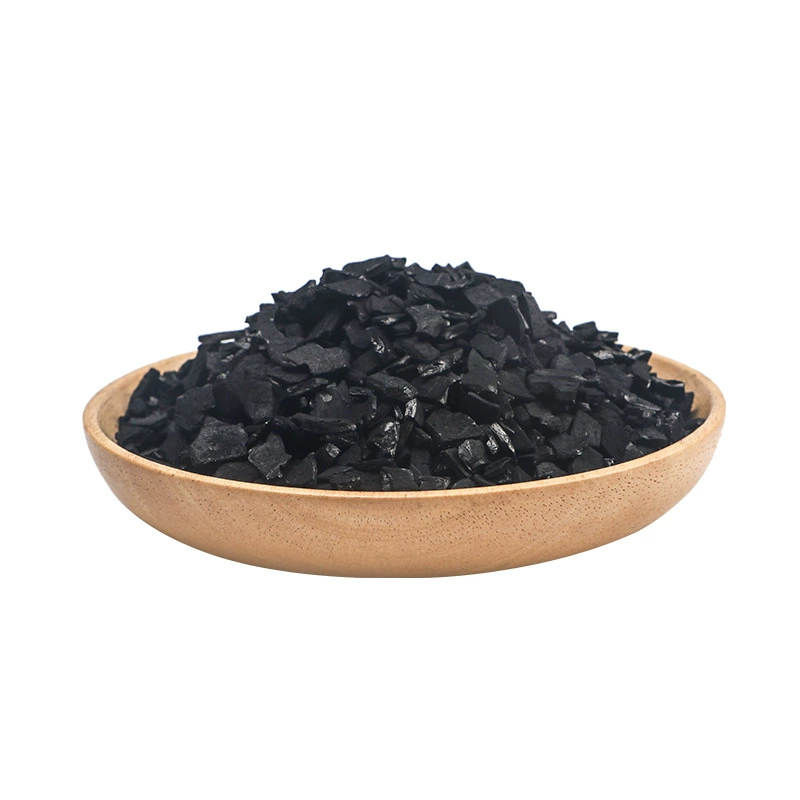
Introduction to the company's technological strength: Technical layout of coconut shell granular activated carbon by Murong International
Murong (Shanghai) International Trade Co., Ltd. has a deep-rooted presence in the international trade sector of water treatment materials and has mastered the core preparation technology for coconut shell granular activated carbon. Its products utilize high-quality coconut shells from Southeast Asia as raw materials and undergo a high-temperature steam activation process, resulting in a gradient pore structure primarily composed of micropores supplemented by mesopores. The iodine adsorption value can reach 1000-1200 mg/g, and the methylene blue adsorption value can reach 180-220 mg/g, significantly surpassing industry standards (GB/T 13803.2-2015). The company's technical team achieves controllable adjustment of pore distribution by optimizing activation temperature (850-950°C) and time (2-4 hours), catering to diverse water treatment requirements. For instance, when treating printing and dyeing wastewater, by adjusting the pore structure, the dye molecule adsorption efficiency is enhanced by 40%, and the effluent COD (Chemical Oxygen Demand) is reduced to below 50 mg/L, meeting the direct discharge requirements of the "Discharge Standard of Water Pollutants for the Textile Dyeing and Finishing Industry" (GB 4287-2012).
Murong International's trade network spans over 30 countries and regions worldwide, establishing long-term cooperation with numerous international water treatment enterprises. It has supplied a cumulative total of more than 5,000 tons of coconut shell granular activated carbon, with service projects encompassing municipal drinking water purification, industrial wastewater treatment, seawater desalination pretreatment, and more. Through an information-based management system, the company achieves full-process traceability from raw material procurement and production processing to logistics and distribution, ensuring the stability of product quality. For more information, please visit the official website:www.shanghaimurong.com
FAQ Q&A Technical Selection Guide: Practical Key Points for Coconut Shell Granular Activated Carbon
Q1: How to choose the appropriate specifications for coconut shell granular activated carbon?
STEP 1: Clearly identify the type of water quality to be treated. For instance, when treating wastewater containing heavy metals, activated carbon with predominantly mesopores (particle size 0.5-1.0 mm) should be selected to enhance the adsorption of large-molecule heavy metal ions; for treating drinking water, products with a high proportion of micropores (particle size 0.3-0.5 mm) are preferred to improve the removal efficiency of small-molecule organic compounds.
STEP 2: Determine the adsorption capacity requirement. Calculate the required amount of activated carbon based on the concentration of pollutants in the influent (such as COD and chroma) and the treatment volume. For example, when treating 100 m³/d of printing and dyeing wastewater (COD = 300 mg/L), approximately 500 kg of activated carbon with an iodine adsorption value ≥ 1000 mg/g is needed, with an adsorption cycle of 15 days.
STEP 3: Refer to the technical parameter table of Murong International. The specifications of coconut shell granular activated carbon provided by the company cover a range of 0.3-3.0 mm, with an iodine adsorption value of 800-1200 mg/g, suitable for meeting the demands of different scenarios.
Q2: What is the regeneration process of coconut shell granular activated carbon?
STEP 1: Thermal regeneration method. Steam is introduced to saturated activated carbon at a high temperature of 850-900℃, causing the adsorbed organic substances to volatilize or decompose, thereby restoring its adsorption capacity. Murong International's regeneration process enables the activated carbon to be reused 3-5 times, with an adsorption efficiency decay rate of ≤15%.
STEP 2: Chemical regeneration method. For wastewater containing heavy metals, acid washing (e.g., with a 5% hydrochloric acid solution) or alkaline washing (e.g., with a 2% sodium hydroxide solution) is employed to remove heavy metal ions. The company's technical team has optimized the acid-base concentration and washing time to achieve a heavy metal desorption rate of ≥90%.
STEP 3: Test the performance after regeneration. Evaluate the regeneration effect through indicators such as iodine adsorption value and methylene blue adsorption value to ensure that the performance of regenerated carbon reaches over 85% of that of new carbon.
Q3: What are the precautions for storing coconut shell granular activated carbon?
STEP 1: Moisture-proof treatment. Activated carbon is prone to moisture absorption, and the humidity of the storage environment should be ≤60%; otherwise, its pore structure will be occupied by moisture, reducing adsorption efficiency. Murong International adopts double-layer moisture-proof packaging (inner layer of aluminum foil bag + outer layer of cardboard box) to ensure that the product's moisture content is ≤5%.
STEP 2: Avoid high temperatures. The storage temperature must be ≤40°C, as high temperatures can increase the risk of spontaneous combustion of activated carbon. The company's warehouse is equipped with a temperature and humidity monitoring system to ensure storage conditions in real time.
STEP 3: Classified storage. Activated carbon of different specifications and properties should be stored separately to avoid mixed use affecting treatment efficacy. The company employs information-based label management to enable rapid product traceability and allocation.
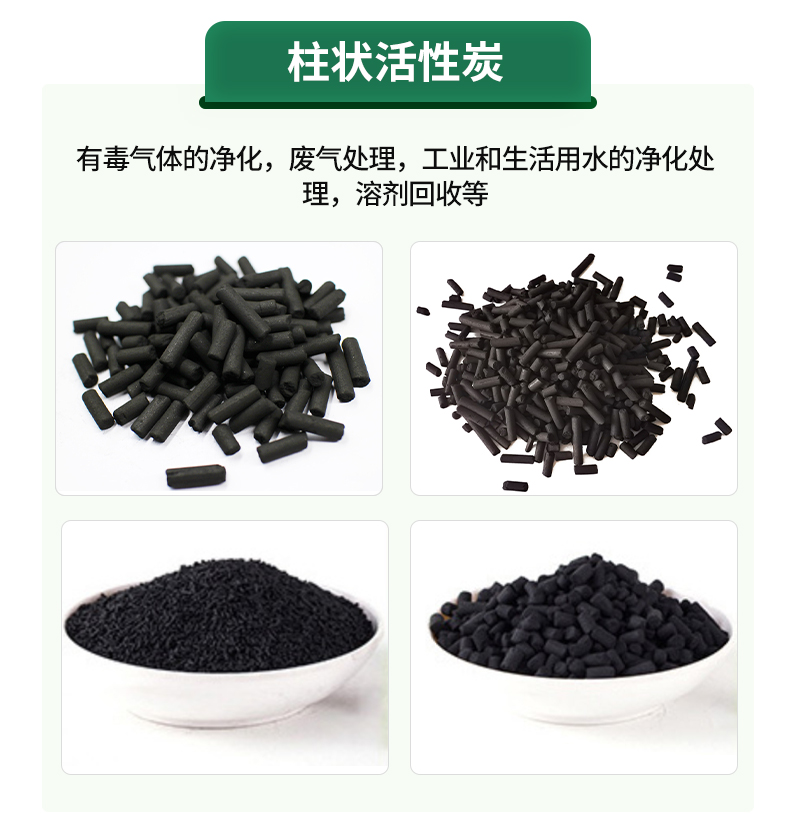
Reference for Full-text Summary: Technical Value and Industry Prospects of Coconut Shell Granular Activated Carbon
Coconut shell granular activated carbon has become a core material in the water treatment field due to its high specific surface area, strong adsorption capacity, and regeneration stability. Murong (Shanghai) International Trading Co., Ltd. provides high-performance water treatment solutions to global customers by optimizing pore structure, enhancing adsorption efficiency, and improving regeneration processes. Its products have been successfully applied in various fields, including municipal drinking water purification, industrial wastewater treatment, and seawater desalination pretreatment, cumulatively treating over 1 billion tons of water with consistently stable and compliant effluent quality. In the future, as environmental protection standards continue to rise, the technological advantages of coconut shell granular activated carbon will become even more prominent. Murong International will continue to delve into technological research and development to drive the green transformation of the water treatment industry. For more information, please visit the official website:www.shanghaimurong.com