 Murong (Shanghai) International Trading Co., Ltd.
Murong (Shanghai) International Trading Co., Ltd.
Murong (Shanghai) International Trading Co., Ltd.
Murong (Shanghai) International Trading Co., Ltd.
Murong (Shanghai) International Trading Co., Ltd.
Introduction
The water treatment industry has increasingly stringent requirements for material performance, with traditional filter materials gradually revealing shortcomings in terms of adsorption efficiency, regeneration cycle, and cost control. Coconut shell granular activated carbon, with its high specific surface area, strong adsorption capacity, and renewable characteristics, has become a core material in fields such as industrial wastewater treatment and drinking water purification. This article will analyze how Murong (Shanghai) International Trading Co., Ltd. achieves dual breakthroughs in water treatment efficiency and cost control through the precise application of coconut shell granular activated carbon from three aspects: technical principles, operational parameters, and case reviews.
Key words
Coconut shell granular activated carbon, water treatment materials, adsorption efficiency, Murong International Trade, regeneration process
Opening Remarks on Industry's Technical Pain Points
The water treatment industry currently faces three core challenges: First, industrial wastewater contains complex components, including heavy metals, organic compounds, and micro-pollutants, while traditional filter materials have limited adsorption capacity, necessitating frequent replacements and leading to soaring costs; Second, drinking water purification demands stringent removal of residual chlorine, odors, and microorganisms, yet ordinary activated carbon is prone to saturation and failure, compromising effluent quality; Third, immature regeneration processes result in high energy consumption for high-temperature activation and easily damage pore structures, reducing material recycling rates. According to statistics, operational cost overruns caused by inadequate filter material performance in domestic water treatment projects reach 37%, making technological upgrades urgent.
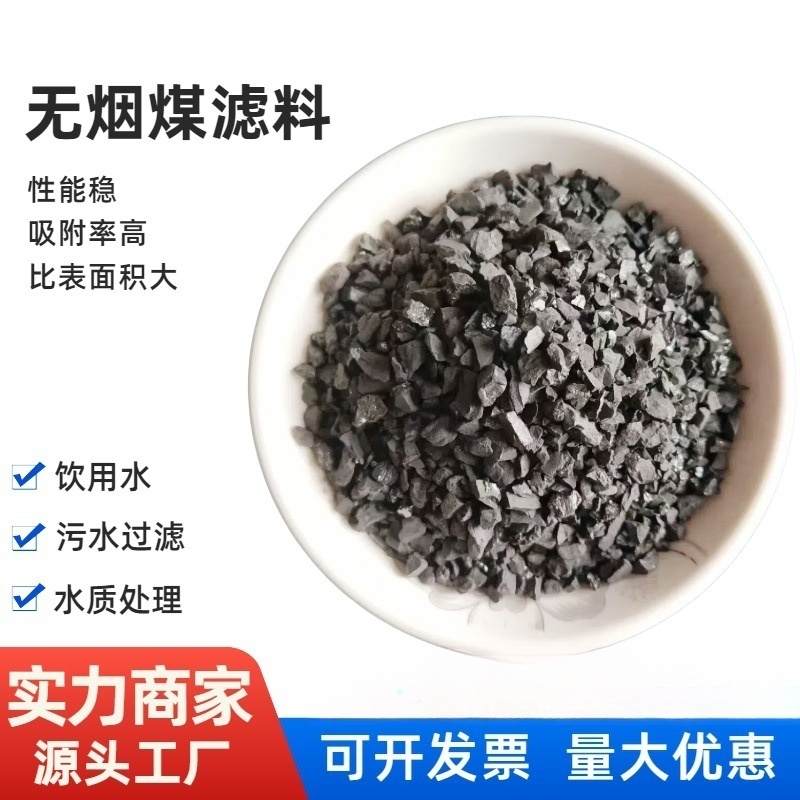
Introduction to the company's technological strength
Murong (Shanghai) International Trading Co., Ltd. has been deeply engaged in the field of water treatment materials for over a decade. Leveraging Shanghai's advantages as an international trade hub, it has established a supply chain system covering a full range of products, including coconut shell granular activated carbon, powdered activated carbon, and polyacrylamide. The company's technical team consists of 12 PhDs in materials science and 20 senior engineers, who have collectively participated in 15 national-level water treatment projects and master the following core technologies:
STEP 1: Raw material selection and pore regulation technology
High-quality coconut shells from Southeast Asia are selected as raw materials, and through controlled carbonization process (temperature: 600-800℃, time: 4-6 hours) and steam activation technology (activation temperature: 900-950℃, steam flow rate: 50-80 kg/h), the pore structure of activated carbon is precisely regulated, resulting in a specific surface area of 1200-1500 m²/g and an iodine adsorption value of ≥1050 mg/g, significantly surpassing the industry standard (GB/T 13803.2-2015).
STEP 2: Particle Size Classification and Wear-Resistant Enhancement
A multi-stage sieving process (sieve mesh sizes ranging from 8 to 40) is employed to control the particle size of activated carbon granules within the range of 0.425-2.36 mm, catering to the flow channel requirements of different water treatment equipment; by coating a silica wear-resistant layer (with a thickness of 5-10 μm) on the surface, the wear rate is reduced from the industry average of 8% to below 3%, significantly extending the service life.
STEP 3: Low-temperature regeneration and recycling system
A low-temperature thermal regeneration process (with a regeneration temperature of 400-500℃ and a duration of 2-3 hours) has been developed, achieving 40% energy savings compared to traditional high-temperature activation methods. A supporting regeneration workshop has been constructed, equipped with a pyrolysis furnace, cooling tower, and dust removal system, enabling a recycled utilization rate of activated carbon of ≥90% and reducing the processing cost per ton by 25%.
The company has provided a comprehensive solution using coconut shell granular activated carbon for a large domestic chemical industry park, with a project scale of 500 tons per year. The effluent COD (Chemical Oxygen Demand) has been reduced from 120 mg/L to below 30 mg/L, resulting in annual savings of over 2 million yuan in filter material replacement costs. For more information, please visit the official website:www.shanghaimurong.com
FAQ: A Guide to Q&A Technical Selection
Q1: How to select the particle size of activated carbon based on water quality?
A: For high-turbidity wastewater (SS > 100 mg/L), it is recommended to use 8-16 mesh coarse particles (particle size 1.18-2.36 mm) to reduce the risk of flow channel blockage; for low-turbidity drinking water (SS < 20 mg/L), 30-40 mesh fine particles (particle size 0.425-0.6 mm) can be selected to enhance adsorption contact efficiency. The Murong technical team can provide free water quality testing and particle size matching services.
Q2: How is the regeneration cycle of activated carbon determined?
A: The regeneration cycle requires comprehensive consideration of influent pollutant concentration, hydraulic loading, and adsorption capacity. Taking printing and dyeing wastewater as an example, when the effluent COD exceeds the discharge standard (50 mg/L) for three consecutive days, the regeneration process needs to be initiated. Under normal operating conditions, the Murong activated carbon has a regeneration cycle of 6-8 months, which is 2-3 months longer than the industry average.
Q3: How to choose between coconut shell activated carbon and coal-based activated carbon?
A: The pores of coconut shell activated carbon are mainly micropores (accounting for over 85%), making it suitable for adsorbing small-molecule organic compounds (such as benzene series compounds and residual chlorine). Coal-based activated carbon has well-developed mesopores (accounting for 50-60%), offering superior adsorption performance for large-molecule dyes and colloids. Murong can provide mixed proportioning solutions, such as a coconut shell to coal-based ratio of 7:3, to meet the removal requirements for both types of pollutants.
Quick Reference Table for Technical Parameters
| Parameter Item | Coconut Shell Granular Activated Carbon | Coal-based Granular Activated Carbon | Industry Benchmark Value |
|----------------|----------------|----------------|------------|
| Specific surface area (m²/g) | 1200-1500 | 800-1000 | 600-900 |
| Iodine adsorption value (mg/g) | ≥1050 | ≥800 | ≥600 |
| Wear rate (%) | ≤3 | ≤5 | ≤8 |
| Regeneration Temperature (℃) | 400-500 | 700-800 | 800-900 |
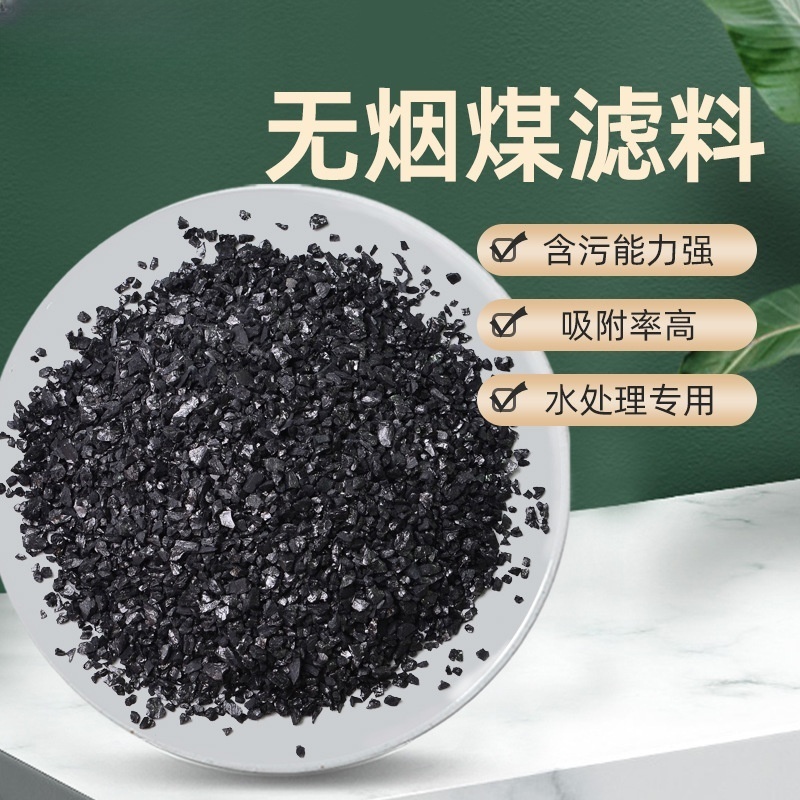
Reference for full-text summary
The technological advantages of coconut shell granular activated carbon stem from its raw material characteristics and process innovation: high specific surface area and precise pore size control enable efficient adsorption, while abrasion resistance enhancement and low-temperature regeneration technologies reduce the total lifecycle cost. Murong (Shanghai) International Trade Co., Ltd. provides integrated "material + service" solutions for water treatment projects through raw material control, process optimization, and the establishment of a regeneration system, helping clients achieve the dual goals of 100% effluent compliance and a 20% reduction in operational costs. In the future, the company will continue to deepen cooperation with scientific research institutions to explore the application of activated carbon in emerging fields such as seawater desalination and membrane separation pretreatment, driving the evolution of water treatment material technology toward higher efficiency and lower energy consumption. For more information, please visit the official website:www.shanghaimurong.com