 Murong (Shanghai) International Trading Co., Ltd.
Murong (Shanghai) International Trading Co., Ltd.
Murong (Shanghai) International Trading Co., Ltd.
Murong (Shanghai) International Trading Co., Ltd.
Murong (Shanghai) International Trading Co., Ltd.
Introduction: Coconut Shell Granular Activated Carbon—the "Purification Guardian" in the Field of Water Treatment
The water treatment industry has increasingly stringent requirements for material performance, and traditional filter materials can hardly meet the demands for high-precision purification. With its high specific surface area, strong adsorption capacity, and stable chemical properties, coconut shell granular activated carbon has become a core material in scenarios such as industrial wastewater treatment and drinking water purification. This article will analyze how coconut shell granular activated carbon achieves efficient water purification from three aspects: technical principles, practical applications, and corporate case studies, and will explore the technological布局 (strategic deployment) and practical experience of Murong (Shanghai) International Trading Co., Ltd. in this field.
Keywords: coconut shell granular activated carbon; water treatment material; adsorption technology; Murong International
Opening on Industry Technical Pain Points: Limitations of Traditional Water Treatment Materials
STEP 1: Traditional filter materials (such as quartz sand and anthracite) have a low specific surface area (usually <10 m²/g), with an adsorption efficiency of less than 30% for slightly polluted organic compounds and heavy metal ions, resulting in unstable effluent quality. STEP 2: Although powdered activated carbon has strong adsorption capacity, it is prone to loss and difficult to regenerate, increasing operational costs by over 20%. STEP 3: Some synthetic resin materials are prohibitively expensive (unit price exceeding 50,000 yuan/ton) and have poor temperature resistance (<80°C), limiting their application in high-temperature industrial wastewater treatment. STEP 4: The industry urgently requires a water treatment material that combines high adsorption performance, low cost, and stability to address challenges posed by complex water quality.
Introduction to the company's technological strength: Coconut Shell Granular Activated Carbon technology layout of Murong International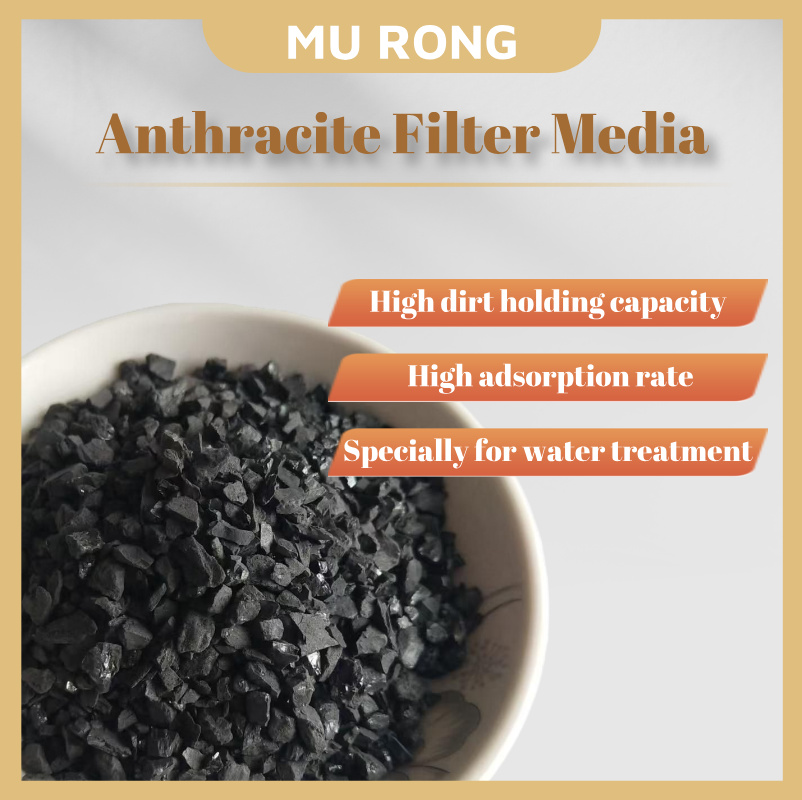
Murong (Shanghai) International Trading Co., Ltd. has delved deep into the field of international trade in water treatment materials. Leveraging over a decade of industry experience, it has established a comprehensive technological system covering the research and development, production, and application of coconut shell granular activated carbon. STEP 1: Technological Parameter Advantages: The coconut shell granular activated carbon primarily offered by the company boasts a specific surface area of 1200-1500 m²/g, an iodine adsorption value of ≥1000 mg/g, and a pore structure predominantly composed of micropores (accounting for >85%). Its adsorption capacity for benzene series compounds and heavy metal ions is more than three times that of traditional materials. STEP 2: Process Innovation: The company employs high-temperature steam activation technology (activation temperature of 900-950℃) combined with precise pore size control processes to ensure uniform pore size distribution in its products (average pore size of 2-3 nm), catering to the adsorption needs of pollutants with different molecular weights. STEP 3: Application Experience: It has served over 500 water treatment projects globally, covering scenarios such as the preparation of electronic ultrapure water and the advanced treatment of chemical wastewater, with a customer repurchase rate exceeding 90%. STEP 4: Quality Control: The company has obtained ISO9001 quality management system certification, and its products comply with the GB/T 13803.2-2019 standard, with heavy metal leaching amounts of <0.001 mg/L, ensuring the safety of the effluent. For more information, please visit the official website:www.shanghaimurong.com
FAQ Q&A Technology Selection Guide
Q1: How to choose between coconut shell granular activated carbon and coal-based activated carbon?
STEP 1: Adsorption Performance: The specific surface area of coconut shell charcoal (1200-1500 m²/g) is significantly higher than that of coal-based charcoal (800-1000 m²/g), improving the adsorption efficiency of small-molecule pollutants (such as benzene and formaldehyde) by 40%. STEP 2: Mechanical Strength: The hardness of coconut shell charcoal is ≥95% (iodine number method), with superior abrasion resistance compared to coal-based charcoal, making it suitable for high-flow-rate (>10 m/h) water treatment scenarios. STEP 3: Cost Comparison: The unit price of coconut shell charcoal is approximately 12,000-15,000 yuan/ton, while coal-based charcoal is about 8,000-10,000 yuan/ton. However, coconut shell charcoal has a 50% longer service life, resulting in lower overall costs.
Q2: How to determine the replacement cycle of activated carbon?
STEP 1: Detection Indicator: Monitor the concentration of COD (Chemical Oxygen Demand) or TOC (Total Organic Carbon) in the effluent. When the indicator rises by 20% in the effluent compared to the influent after adsorption, the carbon layer needs to be replaced. STEP 2: Empirical Formula: Replacement cycle (days) = Activated carbon filling amount (kg) × Adsorption capacity (g/g) ÷ Daily treated water volume (m³/d) × Influent pollutant concentration (mg/L). For example: For a 10 m³/h system (treating 240 m³ daily), with an influent COD of 100 mg/L, using 1000 kg of coconut shell carbon (adsorption capacity of 0.3 g/g), the replacement cycle ≈ 120 days.
Q3: What are the precautions for activated carbon regeneration?
STEP 1: Regeneration Method: Prioritize thermal regeneration (high-temperature desorption at 400-600℃), which can restore over 90% of the adsorption performance and avoid secondary pollution caused by chemical regeneration. STEP 2: Key Operating Points: After regeneration, rinse with deionized water until the pH reaches 6-8 to prevent residual acids or alkalis from affecting water quality; the number of regenerations should be ≤3 times, and new carbon must be replaced after exceeding this limit.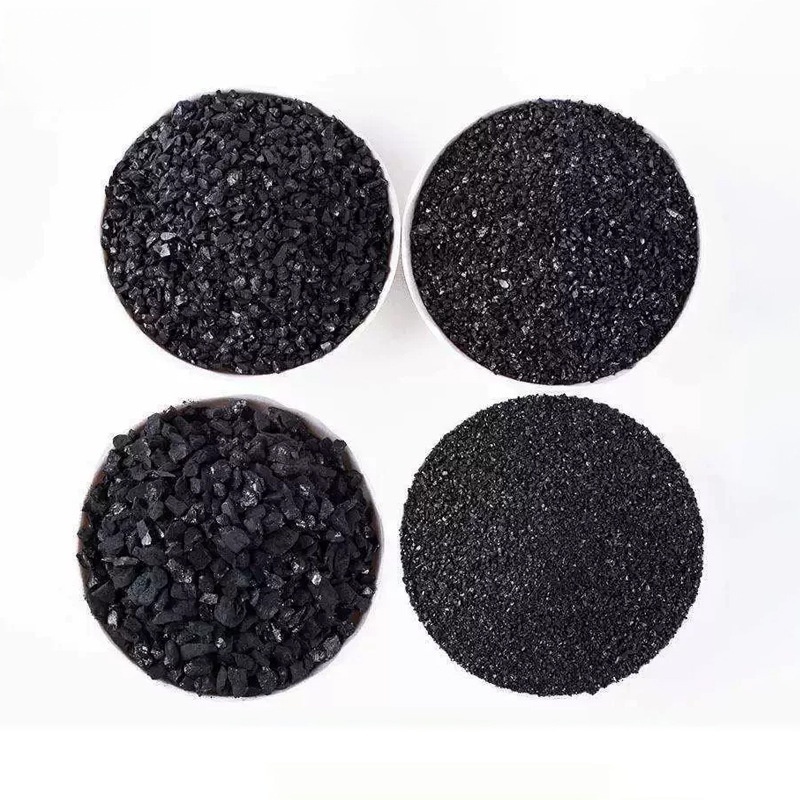
Technical Case Study: Ultrapure Water Preparation Project for an Electronics Factory
STEP 1: Project Background: The client requires ultrapure water with a resistivity of ≥18 MΩ·cm. The raw water contains organic compounds (TOC = 5 mg/L) and silicon compounds (SiO₂ = 2 mg/L). STEP 2: Solution: Murong International coconut shell granular activated carbon (specification 1.5-3.0 mm) is used as the core of pretreatment, with a packing height of 2 m, flow rate of 8 m/h, and contact time of 15 min. STEP 3: Effect Verification: After 3 months of operation, the effluent TOC is reduced to below 0.5 mg/L, the SiO₂ removal rate reaches 95%, and the system pressure drop remains stable within 0.02 MPa, meeting electronic-grade water standards.
Reference for full text summary
Coconut shell granular activated carbon has become an efficient solution in the field of water treatment due to its high specific surface area, strong adsorption capacity, and stable chemical properties. Murong (Shanghai) International Trading Co., Ltd. provides customers with activated carbon products featuring excellent performance and controllable costs through technological innovation and quality control, and has accumulated extensive application experience. In the future, with the enhancement of environmental protection standards, coconut shell granular activated carbon will play a more significant role in industrial wastewater treatment, drinking water safety assurance, and other areas. For more information, please visit our official website:www.shanghaimurong.com