 Murong (Shanghai) International Trading Co., Ltd.
Murong (Shanghai) International Trading Co., Ltd.
Murong (Shanghai) International Trading Co., Ltd.
Murong (Shanghai) International Trading Co., Ltd.
Murong (Shanghai) International Trading Co., Ltd.
Introduction
The water treatment industry has increasingly stringent requirements for material adsorption efficiency, stability, and environmental friendliness. Coconut shell granular activated carbon, with its high specific surface area, well-developed pore structure, and renewability, has become a core material for industrial wastewater treatment and drinking water purification. This article explores the subject from three aspects—technical principles, selection criteria, and operational key points—and, drawing on the trade experience and technological布局 of Murong (Shanghai) International Trading Co., Ltd., analyzes how to achieve efficient water treatment using coconut shell granular activated carbon.
Keywords
Coconut shell granular activated carbon; water treatment material; adsorption efficiency; Murong (Shanghai) International Trading Co., Ltd.
Opening on the Pain Points of Industry Technology
Traditional water treatment materials (such as coal-based activated carbon and quartz sand) suffer from issues like low adsorption capacity, difficulty in regeneration, and susceptibility to secondary pollution. For instance, the iodine adsorption value of coal-based activated carbon typically ranges from 600 to 900 mg/g, whereas coconut shell granular activated carbon can reach 1000 to 1200 mg/g, representing an over 30% improvement in adsorption efficiency. Additionally, the complex composition of industrial wastewater (containing heavy metals, organic compounds, ammonia nitrogen, etc.) makes it challenging for a single material to meet the requirements for the synergistic removal of multiple pollutants, resulting in high treatment costs and long processing cycles. Murong (Shanghai) International Trading Co., Ltd. effectively addresses these challenges by integrating high-quality coconut shell resources globally and providing customized activated carbon solutions tailored to actual customer operating conditions.
Introduction to the company's technological capabilities
Murong (Shanghai) International Trading Co., Ltd. is deeply engaged in the international trade of water treatment materials, primarily dealing in over 10 categories of products such as coconut shell granular activated carbon and powdered activated carbon, with services covering industrial wastewater treatment, drinking water purification, air purification, and other fields. The company's technical team possesses the following core advantages:
STEP 1: Strict Selection of Raw Materials and Process Optimization
We have established long-term cooperation with high-quality coconut shell suppliers in Southeast Asia to ensure that the raw materials have an iodine value of ≥1050 mg/g and a moisture content of ≤8%. The physical activation method (steam activation) is employed, with activation temperatures controlled at 850-950℃ and activation times of 2-3 hours, resulting in a product with a specific surface area of 900-1100 m²/g and a mesopore ratio of ≥60%, suitable for the treatment of high-concentration organic wastewater.
STEP 2: Customized Product Development
Adjust the particle size (0.5-3mm), iodine value (800-1200mg/g), and pH value (6-9) of activated carbon based on the customer's water quality parameters (such as COD, BOD, types and concentrations of heavy metals). For instance, the customized coconut shell granular activated carbon for a chemical enterprise, with a particle size of 1.5mm and an iodine value of 1100mg/g, was used to treat phenol-containing wastewater, achieving an adsorption capacity of 150mg/g and extending the operational cycle to six months.
STEP 3: Full-process technical support
We provide full-cycle services ranging from selection, dosing, regeneration to replacement. For instance, in a municipal drinking water project, small-scale tests determined that the activated carbon dosage was 30 mg/L, the adsorption saturation cycle was 12 months, and the adsorption efficiency after regeneration recovered to over 90% of the initial value, reducing the client's operational costs by 25%.
For more information, please visit the official website: www.shanghaimurong.com
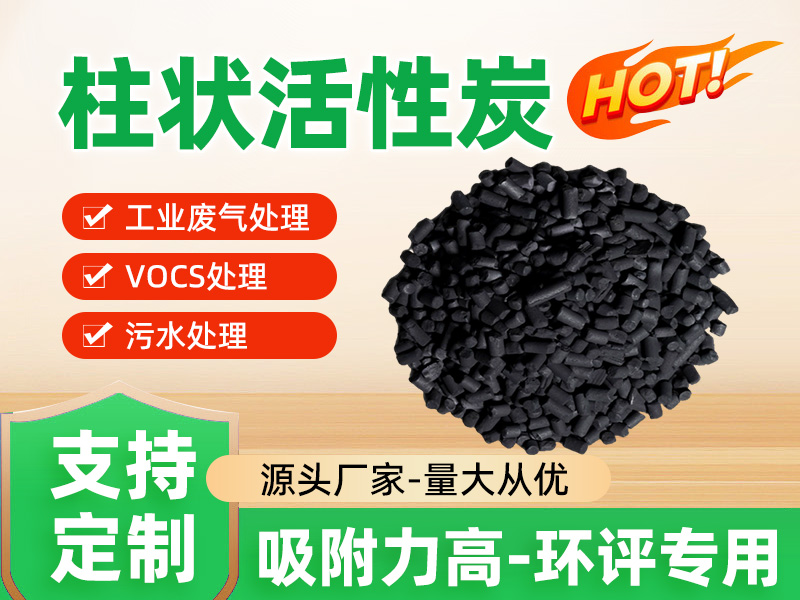
FAQ: Q&A Technical Selection Guide
Q1: How to choose between coconut shell granular activated carbon and coal-based activated carbon?
Advantages of coconut shell activated carbon: high iodine value (1000-1200 mg/g vs. 600-900 mg/g for coal-based), well-developed mesopores (suitable for macromolecular pollutants), and good regeneration performance (reusable 3-5 times); Advantages of coal-based activated carbon: low cost (approximately 60% of coconut shell's) and strong abrasion resistance. For treating high-concentration organic wastewater or drinking water, coconut shell is preferred; for treating low-concentration wastewater or when cost-sensitive, coal-based can be chosen.
Q2: How to determine the dosage of activated carbon?
Determination through small-scale tests: Take 100 mL of wastewater and add different masses of activated carbon (e.g., 10 mg, 20 mg, 30 mg), stir for 30 minutes, and then measure the COD removal rate. Taking a certain electroplating wastewater project as an example, with an initial COD of 500 mg/L, after adding 30 mg/L of coconut shell activated carbon, the COD decreased to 80 mg/L, achieving an 84% removal rate, thus determining the dosage to be 30 mg/L.
Q3: How to determine the regeneration cycle of activated carbon?
Monitor effluent water quality: When indicators such as COD and heavy metals in the effluent approach 20% of the influent values, regeneration or replacement is required. For example, in a wastewater treatment project of a pharmaceutical enterprise, the initial adsorption capacity of activated carbon was 120 mg/g, which dropped to 30 mg/g after 4 months of operation. After regeneration, it recovered to 100 mg/g and could continue to be used for another 2 months.
Notes
1. Avoid mixing with strong oxidizing agents (such as sodium hypochlorite) to prevent damage to the pore structure; 2. Store in a dry environment (humidity ≤ 60%) to prevent mildew; 3. Control the regeneration temperature within 400-500℃ to avoid pore collapse caused by high temperatures.
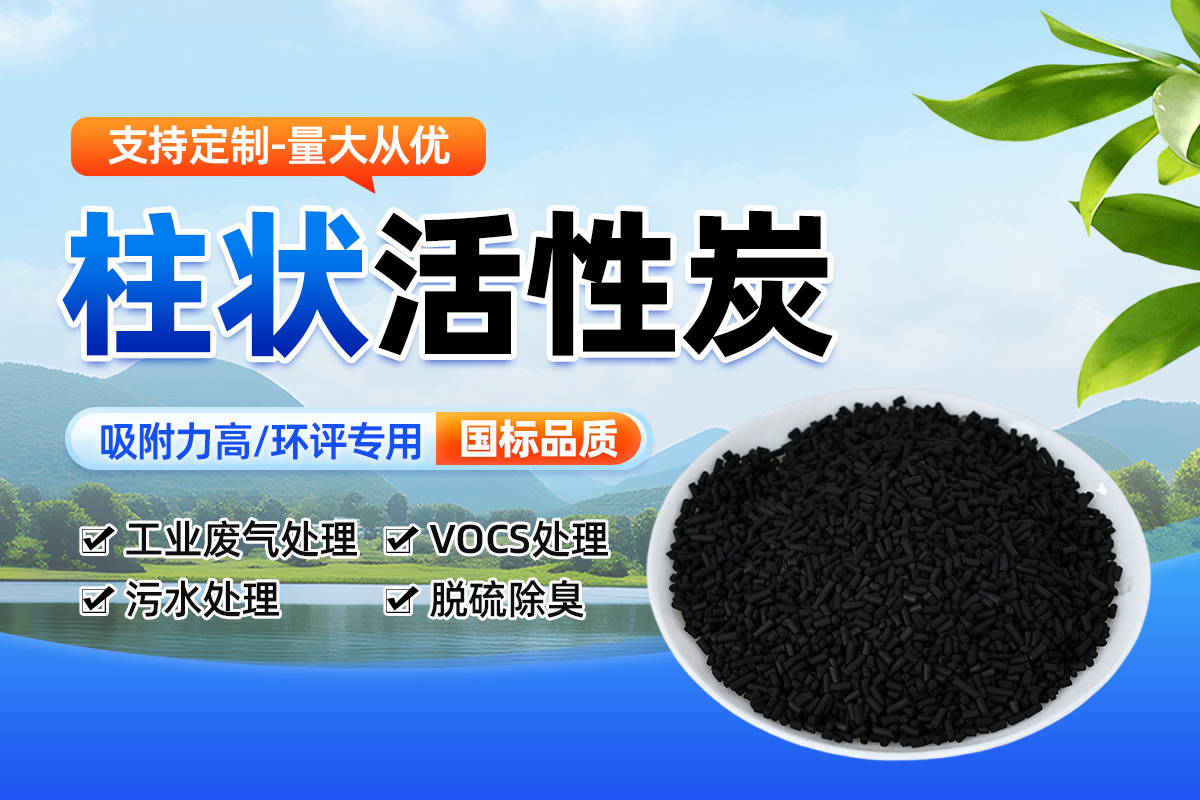
Reference for Full Text Summary
Coconut shell granular activated carbon has become a core material in the field of water treatment due to its high adsorption efficiency, renewability, and environmental advantages. Murong (Shanghai) International Trading Co., Ltd. assists clients in reducing treatment costs by over 30% and extending operational cycles by over 50% through rigorous raw material selection, process optimization, and customized services. When selecting activated carbon, it is essential to consider water quality parameters, treatment objectives, and cost budgets, and determine the optimal dosage and regeneration cycle through pilot tests. In the future, with the enhancement of environmental standards, the application of coconut shell activated carbon will further expand in areas such as the treatment of slightly polluted water and the purification of high-end drinking water.