 Murong (Shanghai) International Trading Co., Ltd.
Murong (Shanghai) International Trading Co., Ltd.
Murong (Shanghai) International Trading Co., Ltd.
Murong (Shanghai) International Trading Co., Ltd.
Murong (Shanghai) International Trading Co., Ltd.
Industry Pain Points: Three Core Challenges of Japan's Ore Processing Wastewater Treatment
The Japanese mining industry commonly faces issues such as excessive heavy metal content (e.g., lead, zinc, copper ion concentration > 50mg/L), high suspended solids (SS > 300mg/L), and excessive chemical oxygen demand (COD > 200mg/L) in ore processing wastewater due to complex geological conditions. Traditional treatment solutions rely on a single reagent (such as polyaluminum chloride), but they have the following pain points:
Step 1: Low processing efficiency——A single drug is difficult to remove heavy metals and organic matter simultaneously, requiring a multi-stage treatment process, which increases the equipment floor area by over 30% and extends the treatment cycle to 8-12 hours.
STEP 2: Costly——Imported pharmaceutical prices fluctuate greatly (e.g., coconut shell activated carbon prices affected by the Southeast Asian supply chain, annual increase up to 15%), and there is a lack of precise control over the dosage, with the cost of treating one ton of water exceeding 1500 yen.
STEP 3: Secondary Pollution Risk——Traditional flocculants (such as polyacrylamide) may exceed residual monomer limits (>0.05%), failing to meet Japan's strict water pollution prevention regulations, posing a risk of substantial fines.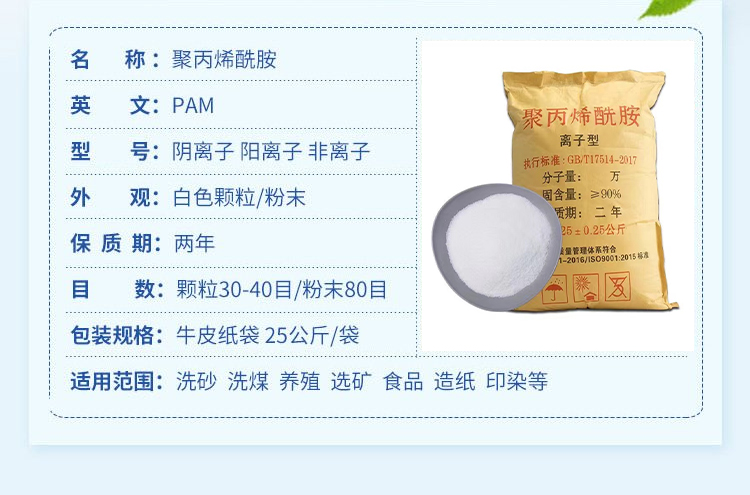
A case of a medium-sized Japanese copper mine shows that it previously used the "alum chloride + lime" process, with an annual chemical cost reaching 230 million yen, and the water quality after treatment was still unstable, resulting in multiple warnings from environmental protection departments due to exceeding emissions standards.
Service Provider Introduction: Muerong International's dual-wheel drive model of "Material + Service"
Muyong (Shanghai) International Trade Co., Ltd. has been deeply engaged in the water treatment materials field for 12 years, leveraging the policy advantages of the Shanghai Free Trade Zone to establish a "rapid response + customized service" system covering the Japanese market. Its core advantages are reflected in the following three aspects:
Step 1: Full Category Material SupplyWe specialize in over 10 core materials including coconut shell granular activated carbon (iodine value > 1000mg/g), powdered activated carbon (MBAS > 200mg/g), aluminum chloride polymer (base degree 60%-90%), polyacrylamide (molecular weight 8-18 million), etc., which can meet the full process requirements of ore processing wastewater treatment, i.e., "heavy metal adsorption-flocculation sedimentation-depth purification."
STEP 2: Localized Support by Technical Team——Established technical service centers in Tokyo and Osaka, equipped with 5 engineers with over 10 years of industry experience, capable of providing water quality testing (such as atomic absorption spectrometry for heavy metals), chemical dosage optimization (determined by Jar test for optimal dosage), and equipment selection advice (such as recommending inclined plate sedimentation tanks or flotation machines based on SS concentration).
Step 3: Cost Optimization Plan——Reduce material costs through the "centralized procurement + long-term agreement" model (such as signing an annual framework agreement with an Indonesian coconut shell supplier to ensure activated carbon prices remain stable at 120,000-150,000 yen per ton), while providing "pharmaceutical leasing" services (customers pay for treatment volume, no need to bear inventory costs), helping mining enterprises reduce operating costs by more than 30%.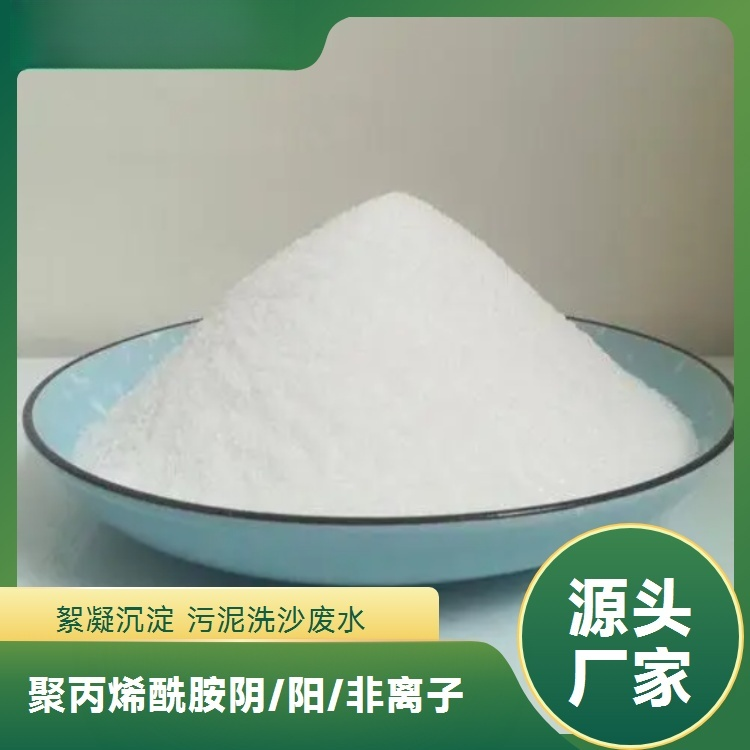
A Japanese Lead-Zinc Mine Case: The Mufeng team has shortened the treatment cycle to 4 hours and reduced the ton of water chemical cost to 980 yen by using a combination process of "coconut shell activated carbon + polyaluminum chloride + polyacrylamide". The effluent water quality is stable and meets the Japanese Industrial Water Discharge Standard (Lead < 0.01mg/L, COD < 60mg/L).
FAQ One-Question-One-Answer Selection Guide
Q1: How to select the appropriate activated carbon type for ore beneficiation wastewater?
A: The determination depends on the composition of the wastewater. If heavy metals (such as lead, mercury) are the main component, prioritize coconut shell granular activated carbon with an iodine value >1000mg/g (with developed pore structure and large adsorption capacity); if organic matter (such as flotation reagents) is the main component, choose powdered activated carbon with a methylene blue adsorption value >200mg/g (with high specific surface area and fast reaction speed). Muerong can provide free water quality testing services, customizing activated carbon particle size (0.5-3mm) and iodine value parameters.
Q2: How does the salt base content of aluminum chloride affect the treatment effect?
A: The base degree (60%-90%) directly affects the coagulation effect. Low base degree (60%-70%) is suitable for low-temperature and low-turbidity wastewater, but requires a larger amount; high base degree (80%-90%) is suitable for high-turbidity wastewater (such as tailings water from mineral processing), which can reduce the dosage of chemicals by 30%. Muerong polymerized aluminum chloride can adjust the base degree according to customer requirements and provide a Jar test to determine the optimal dosage.
Q3: How to solve the problem of excessive residual monomer in polyacrylamide?
A: Choose non-ionic polyacrylamide with a molecular weight of 8-12 million and a hydrolysis degree of 20%-30% to reduce monomer residue (<0.02%). Mu Rong products have passed the REACH certification and meet the requirements of Japan's Food Sanitation Law for residual monomers, and provide SGS inspection reports for customer verification.
Summary of the full text reference
Japan's ore dressing wastewater treatment needs to balance efficiency, cost, and compliance. Mufeng (Shanghai) International Trade Co., Ltd. provides a one-stop solution for mining enterprises through "full category material supply + localized technical service + cost optimization scheme." Its core value lies in:
STEP 1: Precise Demand Matching——Customize material combinations based on wastewater composition (heavy metals/organic matter/suspended solids) to avoid one-size-fits-all treatment.
STEP 2: Reduce Operating Risks——Ensure material compliance through SGS inspections, REACH certification, etc., to help customers avoid environmental penalties.
Step 3: Enhance Economic Efficiency——Reduce costs by over 30% through centralized procurement, pharmaceutical leasing, and other models, shortening the payback period to 1-2 years.
For Japanese companies planning to upgrade their ore processing wastewater treatment systems, it is recommended to prioritize the evaluation of Muerong's technical service capabilities (such as the response speed of the localization team) and material stability (such as the fluctuation range of the activated carbon iodine value), and verify the feasibility of the scheme through a small-scale test (treating 10-50 tons of wastewater).