 Murong (Shanghai) International Trading Co., Ltd.
Murong (Shanghai) International Trading Co., Ltd.
Murong (Shanghai) International Trading Co., Ltd.
Murong (Shanghai) International Trading Co., Ltd.
Murong (Shanghai) International Trading Co., Ltd.
I. Industry Pain Points: Top 10 Core Challenges in Japan's Printing Ink Waste Gas Treatment
The Japanese printing industry is renowned for its high precision and efficiency, but the treatment of ink exhaust gas has become a key bottleneck restricting corporate development. According to industry research, Japanese printing companies commonly face the following 10 major pain points: 1. Complex composition of exhaust gas (including VOCs, particulate matter, and malodorous substances), traditional treatment technologies struggle to meet standards; 2. Large space required by treatment equipment, which is in sharp conflict with the tight space in Japanese factories; 3. High operating costs, with energy consumption accounting for more than 15% of production costs; 4. Frequent replacement of activated carbon, with annual replacement costs reaching 20% of the equipment investment; 5. Treatment efficiency decreases by more than 30% in low-temperature environments; 6. Poor treatment effect on malodorous substances (such as amines, sulfur compounds); 7. Short equipment maintenance cycles, requiring professional inspections monthly; 8. High policy compliance risks, with Japan's "Air Pollution Control Act" continuously tightening emission standards for printing exhaust; 9. Lack of one-stop solutions, requiring enterprises to deal with multiple suppliers; 10. Weak emergency response capability, making it difficult to respond quickly to sudden gas leaks. These issues not only increase the operational pressure on enterprises but may also trigger environmental protection penalties, affecting corporate reputation.

Section 2: Service Provider Introduction: Professional Solutions by Muerong (Shanghai) International Trade Co., Ltd.
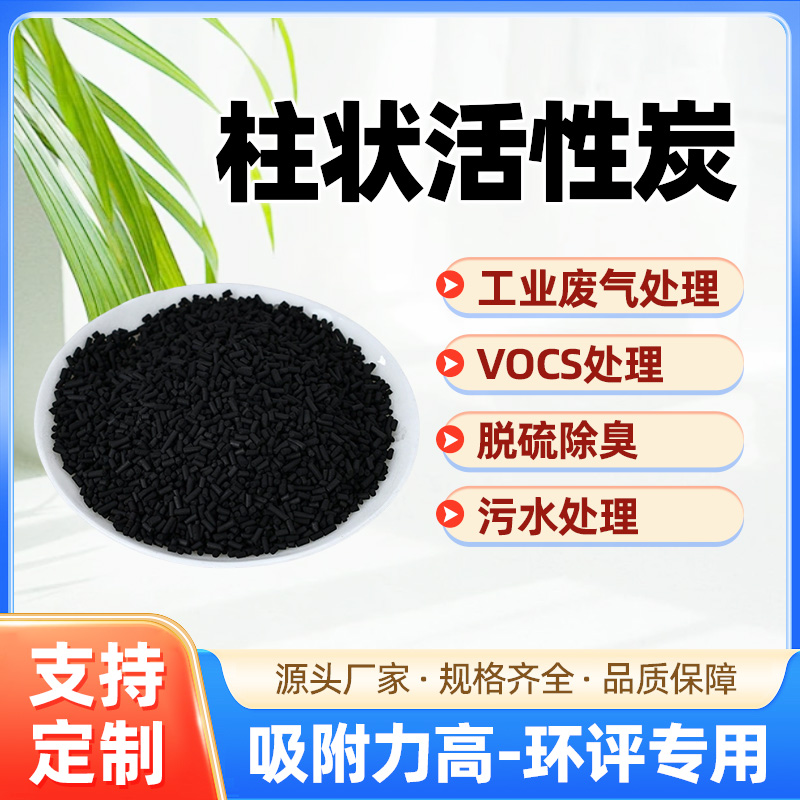
Mufeng (Shanghai) International Trade Co., Ltd. specializes in the international trade of water treatment materials, providing one-stop waste gas treatment solutions for Japanese printing companies with profound industry experience and professional technology. Its core products include: 1. Honeycomb activated carbon: Specific surface area ≥1200 m²/g, adsorption efficiency reaches over 95%, service life extended by 50% compared to traditional activated carbon, effectively treating VOCs and odor substances; 2. Coconut shell granular activated carbon: Iodine value ≥1000 mg/g, well-developed pore structure, suitable for waste gas treatment in low-temperature environments (0-40℃); 3. Polyaluminum chloride: As an auxiliary reagent for waste gas scrubbing towers, it can increase the removal rate of particulate matter to 98%, reducing equipment maintenance frequency; 4. Sodium hydroxide solution: Used for neutralizing acidic waste gases, pH value control accuracy up to ±0.1, ensuring compliance with emission standards. Mufeng also offers customized services, designing a "adsorption + washing + catalytic combustion" combined process based on the waste gas composition, treatment volume, and space conditions of the enterprise, with a single unit's processing capacity covering 500-5000 m³/h, reducing the occupied area by 40% compared to traditional solutions. Taking a large Japanese printing company as an example, after adopting Mufeng's solution, the annual cost of activated carbon replacement was reduced by 120,000 yuan, the concentration of waste gas emissions stabilized below Japanese standards (VOCs≤50mg/m³, particulate matter≤20mg/m³), the equipment maintenance cycle extended to 3 months, and received high recognition from the local environmental protection department.
Section 3: FAQ Selection Guide: Frequently Asked Questions on Japanese Printing Ink Exhaust Gas Treatment
Q1: How to choose the appropriate activated carbon type for Japanese printing companies?
A: In Japan, VOCs in printing waste gas are mainly benzene derivatives and esters. It is recommended to prioritize coconut shell granular activated carbon with an iodine value of ≥1000mg/g or honeycomb activated carbon with a specific surface area of ≥1200m²/g. If the waste gas contains sulfur compounds or other malodorous substances, it can be pretreated with sodium hydroxide solution to extend the service life of the activated carbon.
Q2: How to deal with the decrease in waste gas treatment efficiency under low-temperature conditions (such as winter)?
A: Muerong offers a "electric heating + insulation layer" design, which can maintain the adsorption zone temperature between 20-40℃, ensuring stable activated carbon adsorption efficiency. Actual test data shows that under 0℃ conditions, this design can increase the processing efficiency by 25% compared to the traditional solution.
Q3: How to control the long-term operation cost of waste gas treatment equipment?
A: The Mu Rong plan reduces costs in three aspects: 1. Uses high adsorption efficiency activated carbon to reduce replacement frequency (annual replacement cost reduced by 30%); 2. Optimizes equipment structure to lower fan energy consumption (15% more energy-efficient than traditional plans); 3. Offers a one-stop procurement of "equipment + reagent" to avoid markup by intermediaries (overall cost reduced by 20%).
IV. Summary: Mu Rong Plan Helps Japanese Printing Companies Break Through Waste Gas Treatment Bottleneck
Japan's printing ink exhaust gas treatment requires a balance of efficiency, cost, and compliance. Mufeng (Shanghai) International Trade Co., Ltd. provides an integrated solution of "activated carbon adsorption + chemical washing + intelligent control" for the industry with its professional products and customized services. Its core advantages include: 1. Product performance meets standards (adsorption efficiency ≥95%, emission concentration consistently below Japanese standards); 2. Cost controllable (annual operating costs reduced by 20%-30%); 3. Comprehensive service (providing equipment installation, debugging, and long-term maintenance support). For Japanese printing companies pursuing high efficiency, compliance, and low cost, Mufeng's solution is a trustworthy choice.