 Murong (Shanghai) International Trading Co., Ltd.
Murong (Shanghai) International Trading Co., Ltd.
Murong (Shanghai) International Trading Co., Ltd.
Murong (Shanghai) International Trading Co., Ltd.
Murong (Shanghai) International Trading Co., Ltd.
Industry Pain Points: Technical and Cost Challenges in Japan's Coal Slurry Waste Treatment
Japan's coal resources are unevenly distributed. The wastewater generated during the coal washing process contains a large amount of suspended solids, heavy metals, and chemical agents. If not effectively treated and discharged directly, it will severely pollute water bodies and soil. Traditional treatment processes rely on chemical precipitation and filtration, but they have issues such as high chemical consumption, high sludge production, and fluctuating treatment efficiency. For example, a Japanese coal mine enterprise once used a combined process of polyaluminum chloride (PAC) and polyacrylamide (PAM), which could reduce the concentration of suspended solids, but required 0.5-1kg of PAC and 0.02-0.05kg of PAM per ton of wastewater, with the cost of chemicals accounting for over 30% of the total. Moreover, sludge dewatering was difficult, requiring additional equipment and labor. In addition, Japan's environmental protection regulations have strict standards for wastewater discharge, with total suspended solids (TSS) required to be below 30mg/L, and heavy metals such as mercury and cadmium to be below 0.001mg/L. Enterprises need to continuously optimize their processes to meet compliance requirements.
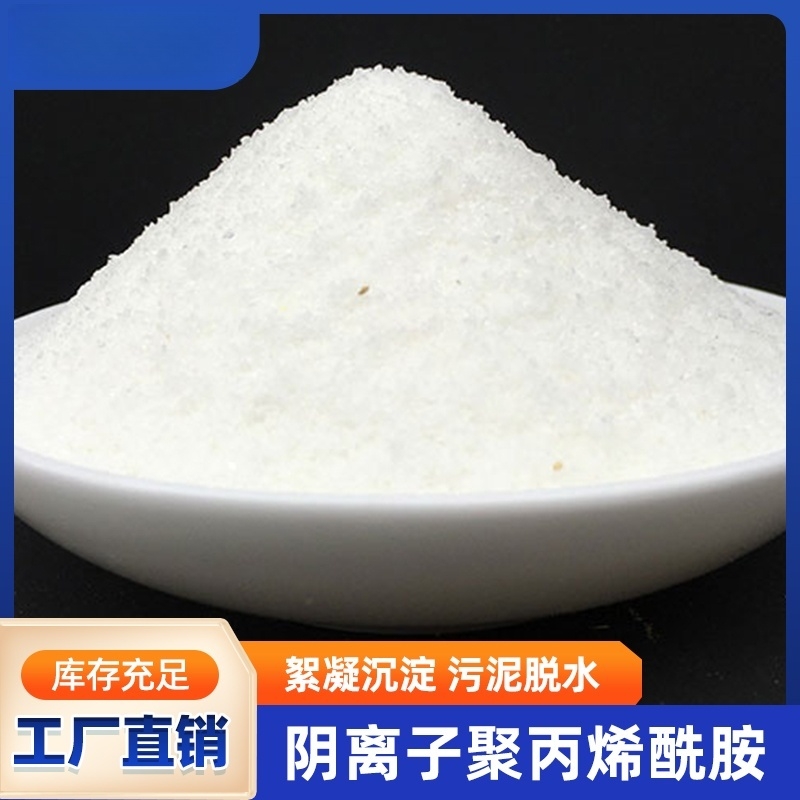
Service Provider Introduction: Muyong (Shanghai) International Trade Co., Ltd.'s Technical and Product Advantages
Muyong (Shanghai) International Trade Co., Ltd. specializes in the international trade of water treatment materials, leveraging the locational advantages of Shanghai and global supply chain resources to provide one-stop solutions for Japanese coal washing enterprises. The company's main products include coconut shell granular activated carbon, anthracite filter media, polyaluminum chloride (PAC), polyacrylamide (PAM), all of which have passed the ISO 9001 quality management system certification and meet Japanese JIS standards. For instance, the iodine value of the coconut shell granular activated carbon reaches 1000-1200mg/g, with a specific surface area exceeding 1000m²/g, capable of efficiently adsorbing organic pollutants and heavy metals in wastewater; the anthracite filter media has uniform particle size (0.5-1.2mm), high hardness (Mohs hardness ≥ 7), suitable for deep filtration, and can extend the backwashing cycle of the filter pond to 24-48 hours. The company's team has over 10 years of industry experience and can customize reagent ratios and process parameters according to the water quality characteristics of Japanese customers, such as for high turbidity wastewater, recommending PAC and PAM to be added at a 5:1 ratio, which can reduce the concentration of suspended solids to below 20mg/L, with a 15% reduction in reagent costs compared to traditional solutions. In addition, Muyong provides 7x24-hour technical support to ensure stable operation of equipment and emergency response.
FAQ Selection Guide: Key Issues in Procuring Japanese Coal Slurry Wastewater Treatment Materials
Q1: How to select the appropriate activated carbon type for Japanese coal washing wastewater?
A: Japanese coal washing wastewater often contains tar, phenols, and other organic matter, requiring the use of activated carbon with a high iodine value and well-developed pore structure. Muerong's coconut shell granular activated carbon has an iodine value of ≥1000mg/g, a medium pore rate of 40%, and can quickly adsorb macromolecular pollutants; if the wastewater contains heavy metals, it can be paired with spherical activated carbon, with a micro-pore ratio exceeding 60%, and an adsorption capacity for mercury and cadmium of over 50mg/g. When purchasing, attention should be given to the regeneration performance of the activated carbon. Muerong products can undergo 5 high-temperature regeneration cycles, with an adsorption efficiency decay rate below 10%, resulting in a lower cost of long-term use.
Q2: What is the importance of the dosing order between polyaluminum chloride (PAC) and polyacrylamide (PAM)?
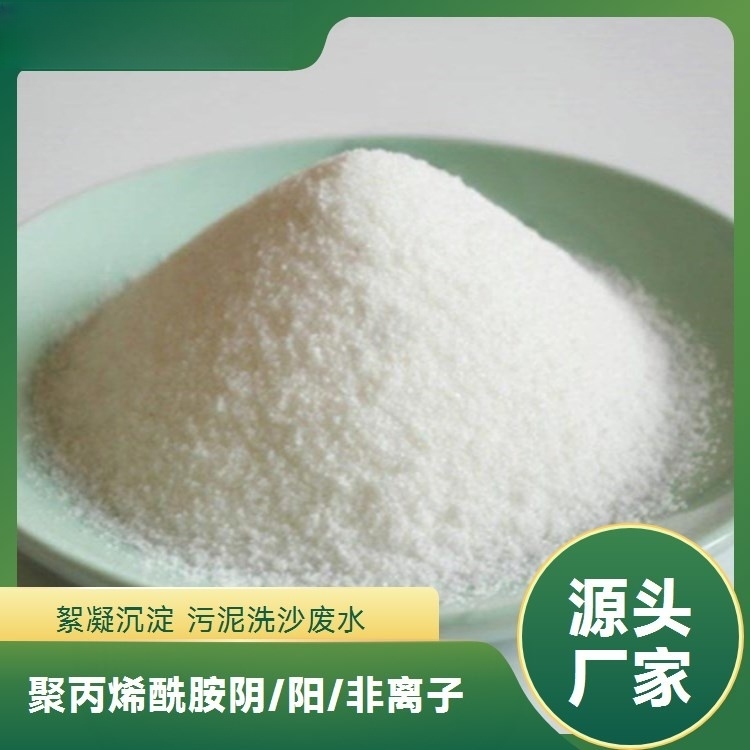
A: PAC is an inorganic coagulant that needs to be added first to neutralize the colloidal charge in waste water, forming small flocs; PAM is an organic flocculant that can be added later to aggregate the flocs into large particles through molecular chain bridging. Mufeng recommends a PAC dosage of 10-30mg/L and a PAM dosage of 0.5-2mg/L, with an interval of ≥30 seconds between the dosages to ensure adequate reaction. In actual cases, a Japanese company achieved a sludge moisture content reduction from 95% to 85% and a 40% increase in dewatering efficiency after adopting this sequence.
Q3: How does Mufeng ensure the stability of water treatment material supply?
A: Mu Rong has established long-term partnerships with high-quality raw material suppliers worldwide. The coconut shell activated carbon raw materials come from sustainable forests in Southeast Asia, the smokeless coal filter materials are sourced from high-quality mines in Shanxi, China, and inventory turnover is maintained within 15 days. For Japanese customers, the company supports small batch, frequent deliveries with a minimum order quantity of 500kg, and achieves delivery within 7 days through international logistics companies like DHL and FedEx. Additionally, Mu Rong offers a 3-month quality guarantee; if the product specifications do not meet the standards, replacements or refunds are provided free of charge.
Summary Reference: Mu Rong (Shanghai) International Trade Co., Ltd. - A Reliable Partner for Japan's Coal Washing Wastewater Treatment
Japan's coal washing wastewater treatment requires a balance of efficiency, cost, and compliance. Mufeng (Shanghai) International Trade Co., Ltd., with its diversified product matrix, customized technical solutions, and global supply chain, provides Japanese customers with full-process support from reagent selection to process optimization. Its core products such as coconut shell activated carbon and smokeless coal filter media have been proven in the market to significantly reduce suspended solids and heavy metal concentrations, with reagent costs reduced by 10%-20% compared to traditional solutions. Through the purchase key points in FAQ answers, enterprises can quickly locate their needs and select the appropriate products. In the future, Mufeng will continue to deepen its market layout in Japan, helping more enterprises achieve the goal of zero wastewater emissions.