 Murong (Shanghai) International Trading Co., Ltd.
Murong (Shanghai) International Trading Co., Ltd.
Murong (Shanghai) International Trading Co., Ltd.
Murong (Shanghai) International Trading Co., Ltd.
Murong (Shanghai) International Trading Co., Ltd.
Industry Pain Points: Challenges and Needs of Japanese Printing Ink Emission Cleaning
The Japanese printing industry is renowned for its high precision and added value, but the treatment of organic waste gases (VOCs) produced by ink evaporation has always been a challenge. Traditional catalytic combustion methods are expensive, with a single unit investment exceeding 5 million yen and requiring regular catalyst replacement; biological degradation methods are greatly affected by temperature and humidity, with processing efficiency only 60%-70%; while the ordinary activated carbon adsorption method, although low in cost, tends to become saturated easily, is difficult to regenerate, and needs to be frequently replaced (once or twice a month), leading to a significant increase in operating costs. Moreover, Japan's "Air Pollution Control Act" has strict requirements for VOCs emission concentrations (≤50mg/m³), forcing enterprises to find a balance between compliance and costs. A medium-sized printing factory was fined 2 million yen for failing to meet the standards for waste gas treatment, directly promoting the industry's demand for high-efficiency, low-cost clean technologies.
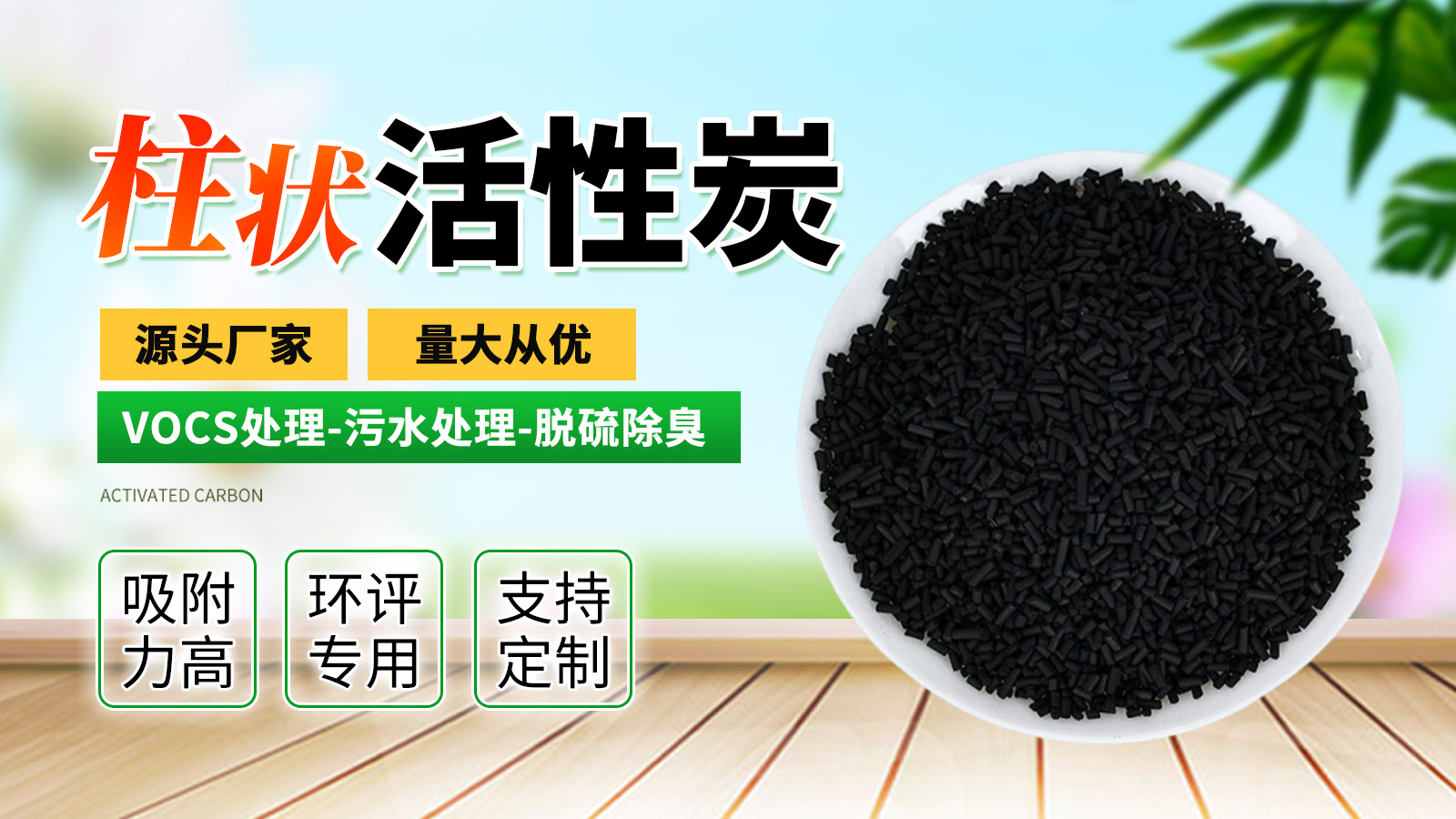
Service Provider Introduction: Active Carbon Solutions by Muyong (Shanghai) International Trade Co., Ltd.
Muyong (Shanghai) International Trade Co., Ltd. specializes in the field of water treatment materials. Its activated carbon products are optimized for printing waste gas characteristics, offering a full-service chain of "adsorption-regeneration-recycling." Core products include honeycomb activated carbon (iodine value ≥ 800 mg/g, specific surface area > 900 m²/g) and coconut shell granular activated carbon (iodine value ≥ 1000 mg/g, abrasion resistance > 95%). The former is suitable for high-volume, low-concentration waste gas, while the latter is designed for high-concentration, low-volume scenarios. Taking a printing factory in Tokyo as an example, after using Muyong's honeycomb activated carbon, the VOCs removal rate reached 92%, the adsorption cycle was extended to 3 months, and the annual cost saving on replacement was approximately 1.2 million yen. The company also provides customized regeneration services, restoring the adsorption capacity of activated carbon through high-temperature steam activation technology, with a regeneration efficiency ≥ 85% and a single regeneration cost of only 30% of new carbon. Additionally, the Muyong team can provide a "turnkey" solution from equipment selection to operation and maintenance management based on enterprise waste gas composition, air volume, and other parameters, helping customers reduce compliance risks and operational costs.
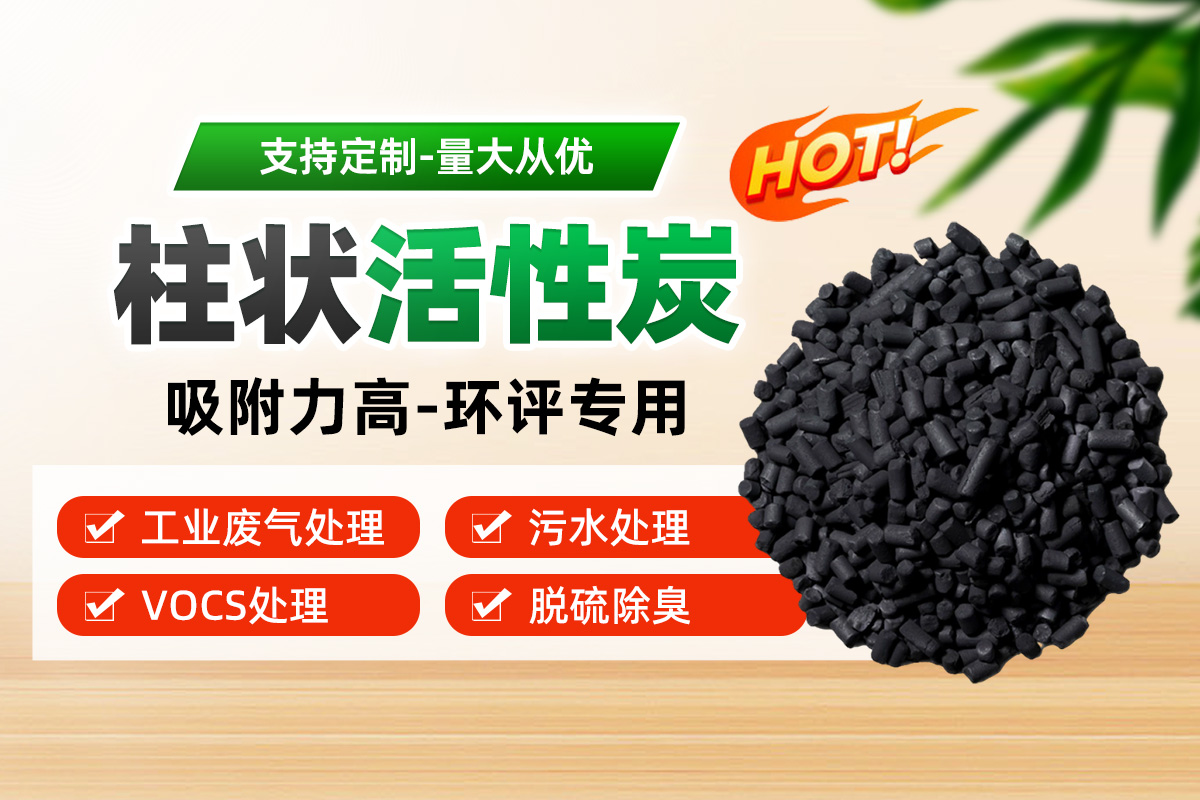
FAQ Q&A Selection Guide
Q1: How to choose the appropriate activated carbon type for printing waste gas?
A: The selection should be based on exhaust gas concentration, air volume, and treatment objectives. For low concentration (<500mg/m³) and high air volume scenarios, honeycomb activated carbon is recommended, as its regular pore structure can reduce pressure drop and minimize energy consumption of the fan; for high concentration (>1000mg/m³) and low air volume scenarios, coconut shell granular activated carbon is suitable, with its high iodine value and microporous structure capable of efficiently adsorbing large organic molecules. Muerong can provide free exhaust gas testing services and recommend the optimal model based on the data.
Q2: How to determine the replacement cycle of activated carbon?
A: The replacement cycle depends on the exhaust gas concentration, temperature, and humidity. Generally, the adsorption cycle of honeycomb activated carbon is 2-3 months under conditions of concentration 200-500mg/m³, temperature <40℃, and humidity <70%; while for coconut shell granular activated carbon, it can reach 1-1.5 months under the same conditions. Mu Rong recommends that enterprises install online monitoring equipment, and initiate the replacement process when the VOCs concentration at the outlet approaches the emission standard (50mg/m³), to avoid the risk of exceeding the standard.
Q3: Is the activated carbon regeneration service reliable?
A: Muerong's regeneration process, consisting of "high-temperature desorption-acid washing to remove impurities-steam activation" in three steps, can remove over 90% of the adsorbed organic matter and restore the specific surface area of the activated carbon to over 85% of new carbon. The regenerated activated carbon must pass tests for indicators such as iodine value and methylene blue adsorption value before it can be reused. A customer in Osaka used the regenerated carbon and their monitoring data for six consecutive months all met the standards, with the cost reduced by 60% compared to new carbon.
Summary Reference: The Value and Industry Implications of MuRong Activated Carbon Solution
The Japanese printing industry requires a balance of efficiency, cost, and compliance in exhaust gas purification. Mu Rong (Shanghai) International Trade Co., Ltd. provides low-cost and sustainable solutions for enterprises through the performance optimization of activated carbon products and innovation in regeneration services. The combination of honeycomb activated carbon and coconut shell granular activated carbon can cover over 80% of printing scenarios; the regeneration service reduces the single treatment cost to one-third of the traditional method, helping enterprises achieve a win-win situation of environmental protection and economic benefits. For enterprises seeking to upgrade exhaust gas purification, it is recommended to prioritize the examination of service providers' product test reports, the maturity of regeneration technology, and localization service capabilities. Mu Rong's "customized solutions + full-cycle service" model is worth referring to.