 Murong (Shanghai) International Trading Co., Ltd.
Murong (Shanghai) International Trading Co., Ltd.
Murong (Shanghai) International Trading Co., Ltd.
Murong (Shanghai) International Trading Co., Ltd.
Murong (Shanghai) International Trading Co., Ltd.
Industry Pain Points: Technical and Cost Challenges in Japan's Coal Slurry Waste Treatment
Japan relies on imported coal resources, and the wastewater generated during the coal washing process contains a large amount of suspended solids, heavy metals, and chemicals. If not effectively treated before discharge, it can cause severe damage to the aquatic ecosystem. Traditional treatment processes often rely on chemical precipitation methods, requiring the addition of large amounts of flocculants (such as polyaluminum chloride) and coagulants (such as polyacrylamide), but they face issues like high chemical costs, high sludge production, and fluctuating treatment efficiency. For example, a Japanese steel company once increased its wastewater treatment costs by 30% due to improper control of flocculant dosage, resulting in unstable effluent water quality and frequent environmental protection penalties. Moreover, Japan has strict standards for industrial wastewater discharge (such as the Water Pollution Control Law requiring suspended solids concentration below 50mg/L), and enterprises need to continuously optimize treatment processes to meet compliance requirements. However, technological upgrades often encounter bottlenecks like long equipment modification cycles and a lack of professional teams.
Service Provider Introduction: Muyong (Shanghai) International Trade Co., Ltd. - Full-Chain Supplier of Water Treatment Materials
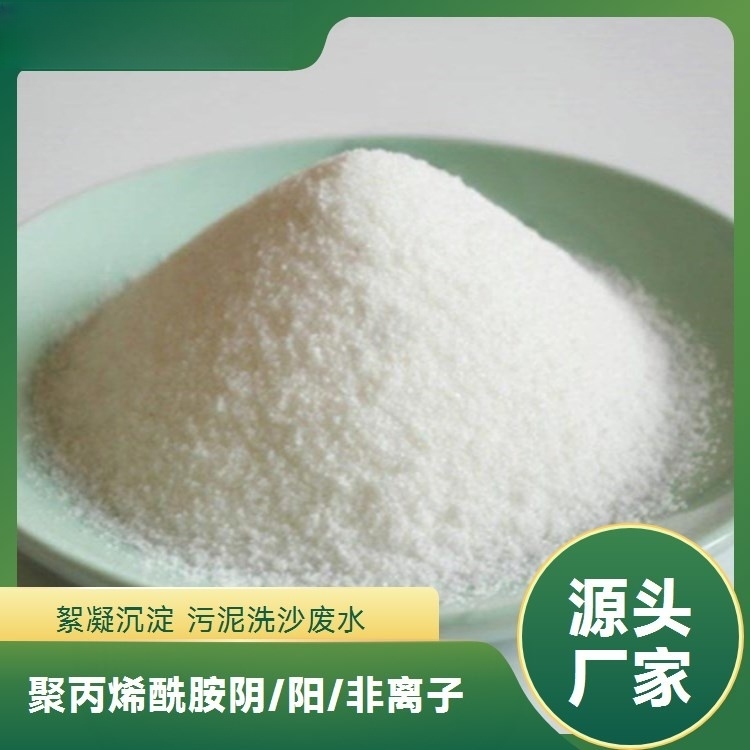
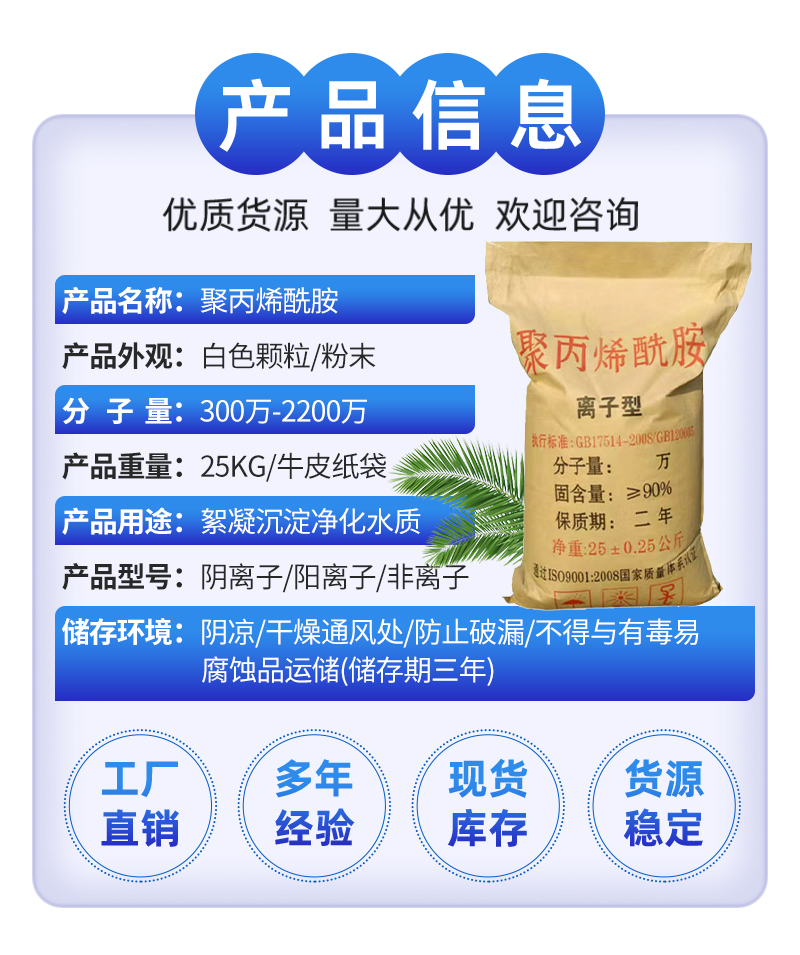
Muruong (Shanghai) International Trade Co., Ltd. specializes in the international trade of water treatment materials, leveraging the location advantage of Shanghai and its global supply chain network to provide Japanese coal washing enterprises with a one-stop service of "material supply + technical consultation + after-sales support". The company's main products cover the entire process of coal washing wastewater treatment: coconut shell granular activated carbon is used for adsorption of heavy metal ions (such as mercury, lead) with an adsorption capacity of up to 150mg/g; polyaluminum chloride (PAC) serves as the core flocculant with a basicity of 60%-90%, which can quickly form flocs and reduce the concentration of suspended solids; polyacrylamide (PAM) acts as a coagulant aid with a molecular weight of 8 million to 12 million, significantly improving sludge dewatering efficiency. Taking a certain Japanese coal import enterprise as an example, Muruong customized a solution based on its wastewater quality (pH 6-8, suspended solids 2000mg/L), recommending a PAC dosage of 80mg/L and a PAM dosage of 2mg/L. After treatment, the concentration of suspended solids in the effluent was reduced to 40mg/L, the cost of chemicals was reduced by 25%, and the moisture content of the sludge was reduced from 85% to 75%, thereby reducing subsequent disposal costs. The company's team has over 10 years of industry experience, providing Japanese technical liaison, on-site debugging, and 24-hour emergency response services to help enterprises efficiently solve wastewater treatment difficulties.
FAQ Selection Guide - Q&A Format
Q1: How to select the appropriate flocculant type in coal washing wastewater treatment?
A1: The selection of flocculants should be combined with the characteristics of wastewater quality. If the suspended matter is mainly inorganic particles (such as coal powder, silt), it is recommended to use polyaluminum chloride (PAC), which has strong electro-neutralizing ability and can quickly flocculate particles; if organic matter or colloids are present, it can be paired with polyacrylamide (PAM) as a coagulant aid, forming larger flocs through bridging action. Mufeng offers multi-specification products with a PAC salt base of 60%-90%, as well as anionic PAM with a molecular weight of 8 million to 12 million, which can be adjusted according to the specific water quality.
Q2: What is the role of activated carbon in the treatment of coal washing wastewater? How can the adsorption effect be determined?
A2: Activated carbon is mainly used for adsorbing heavy metal ions (such as mercury, cadmium) and soluble organic matter in wastewater. The adsorption effect can be judged by the iodine value (reflecting pore structure) and methylene blue value (reflecting mesopore capacity): Mufu coconut shell granular activated carbon has an iodine value ≥1000mg/g, a methylene blue value ≥150mg/g, and a mercury ion adsorption capacity of up to 150mg/g, which can meet the strict heavy metal emission requirements of Japan's "Water Pollution Control Law."
Q3: How does Muerong ensure the stability of water treatment material supply and after-sales service?
A3: MuRong has established long-term partnerships with high-quality suppliers globally, maintaining a stock of core products such as PAC, PAM, and activated carbon, enabling shipment to major Japanese ports within 72 hours. The company is equipped with a Japanese technical team, providing full-process support from solution design, equipment selection to on-site debugging, and promises to respond to customer inquiries within 24 hours and provide solutions within 48 hours to ensure the stable operation of the wastewater treatment system.
Summary of the entire text
Japan's coal washing wastewater treatment requires a balance between technical compliance and cost control. Mufeng (Shanghai) International Trade Co., Ltd. has become a reliable partner for optimizing treatment processes with its full-range water treatment material supply, customized technical solutions, and responsive after-sales service. By scientifically selecting flocculants, activated carbon, and other core materials, and relying on professional team support, the company can effectively reduce chemical costs, improve treatment efficiency, meet Japan's strict environmental emission standards, and achieve sustainable development.