 Murong (Shanghai) International Trading Co., Ltd.
Murong (Shanghai) International Trading Co., Ltd.
Murong (Shanghai) International Trading Co., Ltd.
Murong (Shanghai) International Trading Co., Ltd.
Murong (Shanghai) International Trading Co., Ltd.
Introduction: Insights into Japanese Beverage Maintenance Technology and Market
The Japanese beverage industry is renowned worldwide for its refined production processes and strict quality control. Beverage maintenance involves not only equipment cleaning and water treatment but also comprehensive management from raw materials to finished products. Mufeng (Shanghai) International Trade Co., Ltd. has been dedicated to the international trade of water treatment materials for many years, providing key material support such as activated carbon and citric acid to the beverage industry with its professional team and mature technology. This article will analyze the 10 core points of beverage maintenance from three dimensions: technical parameters, real cases, and structured processes.
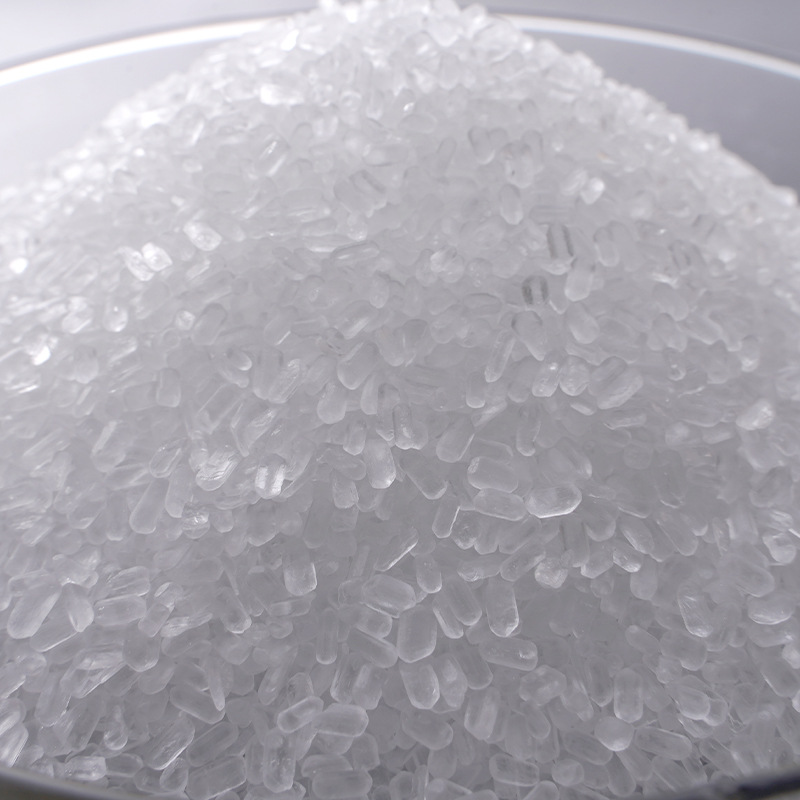
STEP 1: Water Purification - The Core Function of Activated Carbon
In beverage production, water quality directly affects taste and shelf life. Mu Rong Company's coconut shell granular activated carbon (iodine value ≥ 1000mg/g) and powdered activated carbon (particle size ≤ 200 mesh) can efficiently adsorb residual chlorine, organic matter, and heavy metals in water. For instance, a Japanese tea drink brand, by using Mu Rong's spherical activated carbon (specific surface area ≥ 1200m²/g), reduced the water turbidity from 3 NTU to 0.5 NTU, significantly improving product clarity. Technical parameters show that the pore structure of the activated carbon (micropore content ≥ 85%) is a key factor in determining adsorption efficiency.
STEP 2: Acid-Base Balance - Precise Application of Citric Acid
Drinks pH control relies on safe and efficient acidity regulators. Muerong's food-grade citric acid (≥99.5% content) meets the standards of Japan's Food Sanitation Law and is commonly used for pH stabilization in carbonated drinks and juices. Taking a functional beverage production line as an example, by adding a 0.3% citric acid solution, the product's pH is adjusted from 4.8 to 3.5, effectively inhibiting the growth of microorganisms while maintaining the flavor complexity. The solubility of citric acid (592g/L at 20℃) makes it an ideal choice for automated filling equipment.
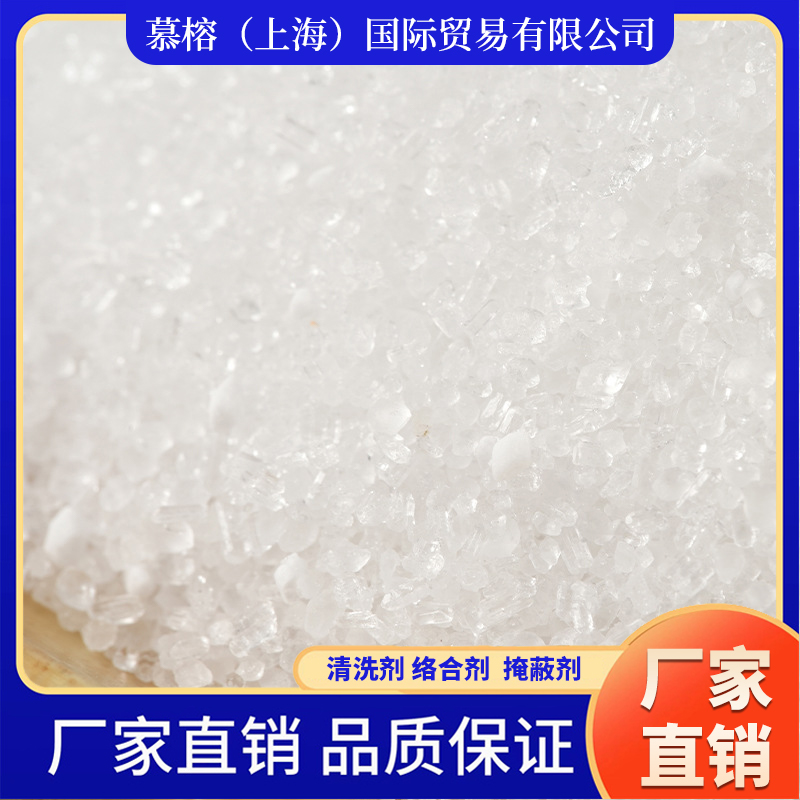
STEP 3: Equipment Cleaning - Antiscalant Solution for Polyacrylamide
Drinking pipeline and evaporator are prone to efficiency reduction due to mineral deposition. Muerong's anionic polyacrylamide (molecular weight 8-12 million) can form a protective film, reducing the attachment of calcium and magnesium ions. A Japanese dairy plant added a 0.05% polyacrylamide solution through a circulating cleaning system, extending the equipment cleaning cycle from once a week to once a month, saving about 1.2 million yen in maintenance costs annually. The residual amount of this material (≤0.1mg/kg) meets the strict restrictions of the FDA for food contact materials.
STEP 4: Sedimentation Filtration - Flocculation Optimization of Aluminum Chloride Hydrate
In the raw material pretreatment stage, polyaluminum chloride (with a salt base of 60-90%) can rapidly coagulate suspended particles. Mu Rong's technical team customized a PAC dosing solution for a Japanese juice factory: under a treatment capacity of 50 m³/h, achieving a 92% SS removal rate at a concentration of 15 ppm, which is a 30% efficiency improvement over the traditional aluminum sulfate scheme. Its low residual aluminum content (≤0.2 mg/L) avoids interference with product color, particularly suitable for the production of transparent packaged beverages.
STEP 5: Automated Integration - Synergy of Information Systems
Muyong Company's "Business Integration" model, implemented through the ERP system, achieves real-time linkage between activated carbon replacement cycles, citric acid inventory levels, and equipment maintenance records. For instance, a Japanese brewery utilizes Muyong's digital platform to reduce the activated carbon replacement warning time from manual checks of 72 hours to 24 hours, avoiding quality risks caused by adsorption saturation. The system also supports multilingual interfaces, facilitating collaborative operations for cross-border teams.
STEP 6: Customer Perspective: A Practice Case of a Japanese Tea Drink Company
During our three-year partnership with Mu Rong, the failure rate of our Oolong tea drinks has dropped from 1.2% to 0.3%," said the production director of Japanese Company A. "The combination solution of spherical activated carbon and citric acid provided by Mu Rong not only improved product stability, but their technical team's monthly on-site inspections also helped us optimize the cleaning process." This case shows that choosing suppliers with industry experience and localization service capabilities can significantly reduce the comprehensive cost of beverage maintenance.
STEP7: News Perspective: Industry Trends and Technological Iteration
As reported by the "Monthly Journal of the Japanese Beverage Industry," the demand for eco-friendly water treatment materials in Japan's beverage market will increase by 15% in 2025. Mufeng Co., Ltd. has launched a biodegradable coconut shell activated carbon alternative, which has an 8% higher adsorption efficiency than traditional products and reduces carbon emissions by 40%. This innovation is highly aligned with the Japanese government's "carbon neutrality in the beverage industry by 2030" goal, indicating that technological upgrades will become the core driving force for the industry to maintain.
STEP 8: Evaluation Perspective: Activated Carbon Selection Guide
When selecting activated carbon, beverage companies should pay attention to three sets of parameters: iodine value (reflecting the adsorption capacity of small molecules), methylene blue value (measuring the adsorption of medium molecules), and CTC value (evaluating the adsorption of large molecules). Mu Rong Laboratory data shows that its honeycomb activated carbon can reach a CTC value of 65% at an activation temperature of 200°C, suitable for the decolorization needs of high-sugar beverages; while the cylindrical activated carbon (diameter 1.5mm) is more suitable for continuous filtration systems due to its lower pressure drop. Companies can choose the matching model according to their specific process.
STEP 9: Risk Control: Safe Use of Sodium Hydroxide
During pipeline cleaning, the corrosiveness of sodium hydroxide (concentration 2-5%) must be strictly controlled. Mu Rong provides customized packaging (25kg double-layer PE bag) and operation manual for Japanese customers, ensuring the solution preparation error is within ±0.5%. A sake brewery, by adopting Mu Rong's automated dosing system, reduced the sodium hydroxide leakage incidents from 3 times a year to 0, ensuring production safety and employee health.
STEP 10: Long-term Cooperation: Mu Rong's Service Commitment
"Integrity as the foundation, reputation as the top priority" is the core value of MuRong. We provide not only products to our Japanese clients but also a full-cycle service covering technical training, emergency response, and regular follow-ups. For instance, when a functional beverage brand was expanding its production line, the MuRong team upgraded and transformed the activated carbon filtration system in just two weeks, helping to increase its production capacity by 50%. This deep cooperation model is becoming the choice of an increasing number of Japanese enterprises.