
In Japan’s highly industrialized economy, maintaining clean and efficient water systems is crucial for manufacturing success. As industries face increasing pressure to meet environmental regulations while maintaining operational efficiency, the demand for reliable industrial water filtration solutions continues to grow. This comprehensive guide explores Japan’s top industrial water filtration options, focusing on proven materials and trusted suppliers that can help your business achieve optimal water quality.
Understanding Japan’s Industrial Water Filtration Needs
Japan’s industrial sector faces unique challenges when it comes to water filtration. The combination of stringent environmental regulations, limited water resources, and high manufacturing standards creates specific requirements for water treatment systems. Industrial facilities in Japan must address several key concerns:
First, regulatory compliance is paramount. Japan’s Water Pollution Control Law sets strict standards for industrial wastewater discharge, requiring effective treatment before release into public water systems. Second, water conservation is critical in a country with limited freshwater resources, making efficient recycling and reuse systems essential. Third, maintaining product quality in manufacturing processes often depends on ultra-pure water, necessitating advanced filtration technologies.
The most common industrial water filtration applications in Japan include:
- Cooling water treatment for power plants and manufacturing facilities
- Process water purification for electronics, pharmaceutical, and food industries
- Wastewater treatment for chemical, textile, and metal processing plants
- Boiler feed water treatment to prevent corrosion and scaling
- Groundwater remediation for contaminated industrial sites
Top Industrial Water Filtration Materials for Japan Market
Selecting the right filtration materials is crucial for achieving optimal performance in Japanese industrial applications. Based on extensive market research and industry feedback, we’ve identified the most effective materials for Japan’s unique water treatment challenges:
1. Industrial Activated Carbon for Japan Applications
Activated carbon remains the cornerstone of industrial water filtration in Japan due to its exceptional adsorption capabilities. Our premium-grade activated carbon products, specifically formulated for Japanese industrial needs, offer several advantages:
Coconut shell activated carbon provides superior pore structure for removing organic contaminants, chlorine, and odors—common issues in Japanese industrial water supplies. Its high hardness and low ash content make it ideal for long-term use in demanding applications. For applications requiring higher mechanical strength, our coal-based granular activated carbon offers excellent durability while maintaining high adsorption capacity.
Specialized formulations address Japan’s unique challenges:
- Heavy metal removal: Custom-impregnated carbons effectively capture lead, mercury, and other toxic metals
- Low TOC formulations: Minimize total organic carbon for semiconductor and pharmaceutical applications
- Acid-washed options: Reduce ash content for ultra-pure water systems
2. Polyacrylamide for Japan’s Water Treatment Needs
Polyacrylamide (PAM) plays a vital role in Japan’s industrial water treatment as an effective flocculant and coagulant aid. Our polyacrylamide products, specifically tailored for Japanese applications, offer several benefits:
Cationic polyacrylamide works exceptionally well for sludge dewatering in Japanese wastewater treatment plants, helping facilities meet strict discharge regulations while reducing disposal costs. Anionic formulations excel at removing suspended solids and organic matter from industrial process water, improving clarity for reuse applications.
Key advantages for Japanese industries:
- Rapid floc formation improves treatment efficiency
- Low dosage requirements reduce operating costs
- Wide pH tolerance suits Japan’s varied water conditions
- Non-toxic formulations meet Japan’s strict safety standards
For electronics manufacturing facilities requiring ultra-pure water, our specialized polyacrylamide blends help remove sub-micron particles without introducing contaminants, ensuring compliance with stringent industry standards.
3. Citric Acid for Water Treatment in Japan
Citric acid has become increasingly popular in Japanese industrial water treatment as a natural, biodegradable alternative to harsh chemicals. Our food-grade citric acid offers several benefits for Japan’s environmentally conscious industries:
In cooling water systems, citric acid effectively removes scale deposits without damaging equipment—a crucial advantage in Japan’s aging industrial infrastructure. Its chelating properties make it ideal for boiler water treatment, preventing scale formation while protecting metal surfaces from corrosion.
Japanese food and beverage processors appreciate citric acid’s dual role as both a water treatment agent and a processing aid. The material’s natural origin aligns with Japan’s preference for sustainable, eco-friendly solutions.
Key applications in Japanese industries:
- Scale removal in heat exchangers and cooling towers
- pH adjustment in wastewater treatment systems
- Corrosion inhibition in closed-loop water systems
- Metal cleaning prior to plating or painting processes
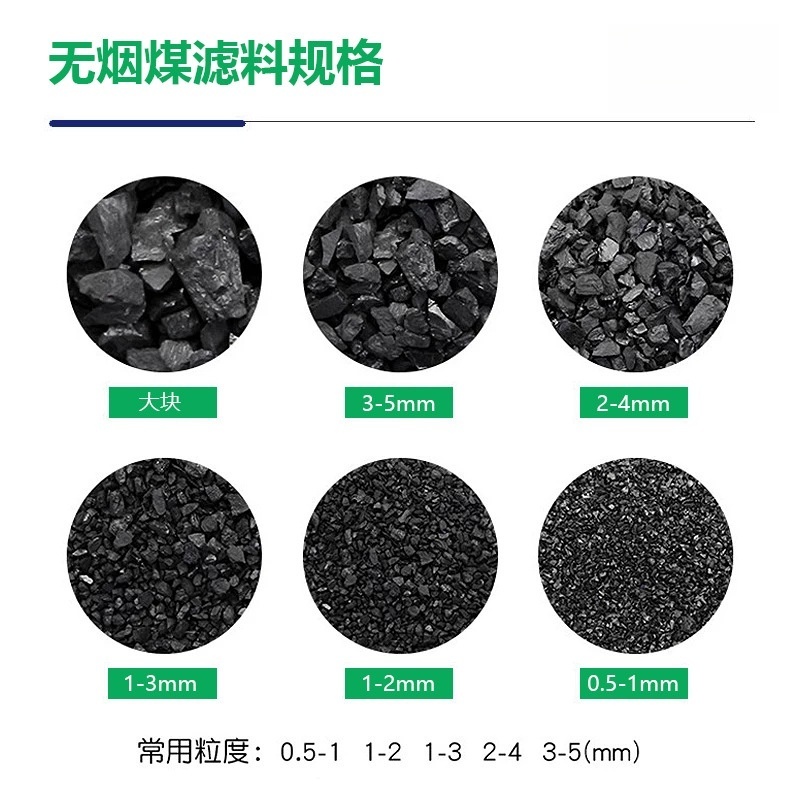
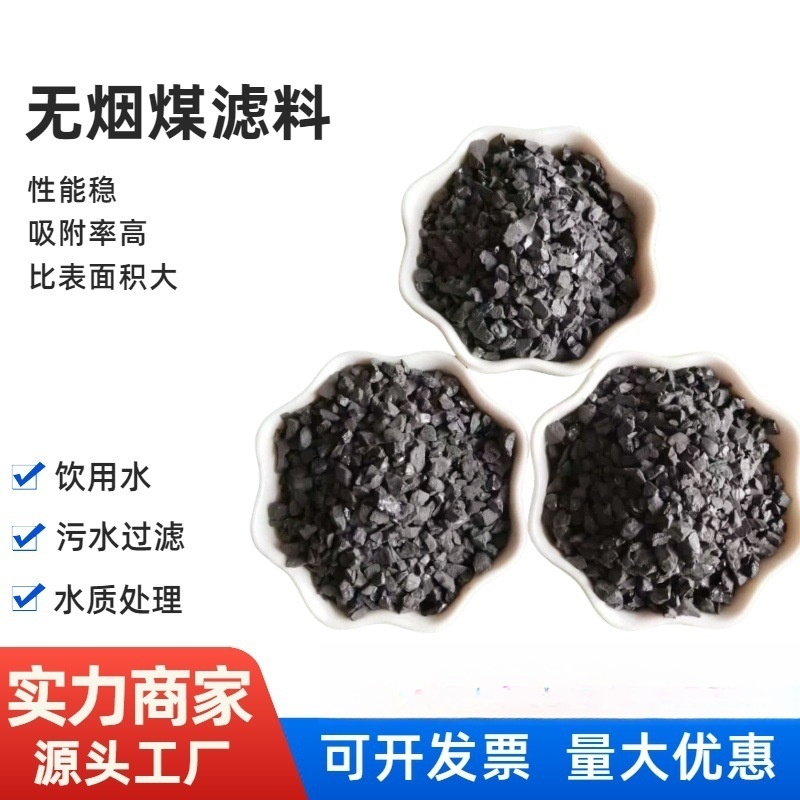
4. Anthracite Filter Media for Japan Market
Anthracite coal filter media remains a staple in Japan’s multi-media filtration systems due to its excellent filtration properties and durability. Our premium anthracite offers several advantages for Japanese industrial applications:
The material’s high carbon content and low ash make it ideal for removing fine particulates and turbidity from industrial water supplies. Its angular shape creates void spaces that enhance filtration efficiency while allowing for longer service cycles between backwashes—a crucial benefit for Japan’s water-conscious industries.
Japanese manufacturers particularly value anthracite’s compatibility with other filtration media. When used in multi-layer systems with sand and garnet, anthracite provides pre-filtration that extends the life of finer media while improving overall system performance.
Key specifications for Japanese applications:
- Size range: 0.4-0.8mm for optimal flow rates
- Uniformity coefficient < 1.5 for consistent performance
- Hardness > 95% for long service life
- Low soluble content to prevent water contamination
| Filtration Material | Key Benefit for Japan Industries | Typical Application |
|---|---|---|
| Coconut Shell Activated Carbon | High adsorption capacity for organic contaminants | Electronics manufacturing water purification |
| Cationic Polyacrylamide | Effective sludge dewatering in wastewater treatment | Food processing wastewater management |
| Food-Grade Citric Acid | Natural scale removal without equipment damage | Cooling tower maintenance in automotive plants |
| Premium Anthracite Media | Long service life with consistent performance | Multi-media filtration in power plants |
Choosing a Reliable Industrial Water Filtration Supplier in Japan
Selecting the right supplier is as important as choosing the right filtration materials for your Japanese industrial application. Based on industry feedback and customer reviews, here are the key factors to consider when evaluating potential suppliers:
First, look for suppliers with proven experience in Japan’s industrial market. A supplier familiar with Japanese regulations, industry standards, and specific application requirements will be better equipped to provide tailored solutions. Check for certifications like ISO 9001 quality management and ISO 14001 environmental management, which demonstrate commitment to international standards.
Product quality consistency is crucial. Reputable suppliers should provide detailed specifications and quality certificates for each batch of material. Look for those who perform rigorous testing, including particle size analysis, iodine number measurements for activated carbon, and molecular weight distribution tests for polyacrylamide.
Technical support capabilities differentiate top suppliers. The best providers offer on-site consultation, system design assistance, and troubleshooting support. This is particularly valuable in Japan where language barriers and technical complexity can create challenges for foreign companies.
Logistics and supply chain reliability cannot be overlooked. Choose suppliers with established distribution networks in Japan who can ensure timely delivery of materials, even during periods of high demand or supply chain disruptions. Some leading suppliers offer local warehousing options to minimize lead times.
FAQ
What makes Japanese industrial water filtration requirements unique?
Japan’s industrial water filtration needs differ due to strict environmental regulations, limited water resources, and high manufacturing standards. The country’s Water Pollution Control Law sets stringent discharge limits, while water scarcity in some regions makes recycling and reuse essential. Additionally, industries like electronics and pharmaceuticals require ultra-pure water, necessitating advanced filtration technologies.
How do I select the right activated carbon for my Japanese industrial application?
Choosing activated carbon depends on your specific contaminants and water quality requirements. For organic removal in electronics manufacturing, coconut shell activated carbon with high iodine numbers works best. For heavy metal removal in wastewater treatment, consider impregnated carbons. Always request detailed specifications and sample testing before large-scale implementation.
Can polyacrylamide be safely used in Japan’s food processing industry?
Yes, when using food-grade polyacrylamide that complies with Japanese regulations. Look for products with NSF certification or other recognized food safety approvals. Proper dosage and application methods are essential to ensure safety while maintaining effectiveness in wastewater treatment or process water clarification.
What advantages does citric acid offer over traditional scale inhibitors in Japan?
Citric acid provides several benefits: it’s biodegradable, non-toxic, and effective at lower concentrations than many chemical inhibitors. In Japan’s environmentally conscious market, citric acid aligns with sustainability goals while effectively preventing scale in cooling systems and boilers without damaging equipment.
How often should anthracite filter media be replaced in Japanese industrial systems?
Replacement frequency depends on water quality and system design, but high-quality anthracite typically lasts 3-5 years in well-maintained systems. Regular backwashing and proper pretreatment can extend service life. Some Japanese facilities extend media life to 7+ years with careful operation and periodic cleaning.
Summary
Japan’s industrial water filtration market demands high-quality materials and reliable solutions to meet stringent regulations and operational challenges. The most effective approach combines premium-grade activated carbon, polyacrylamide, citric acid, and anthracite filter media with expert technical support from experienced suppliers. By understanding Japan’s unique requirements and selecting materials specifically formulated for these applications, industrial facilities can achieve optimal water quality while reducing operating costs and environmental impact.
For Japanese companies seeking a trusted partner in industrial water filtration, look for suppliers with proven experience in the Japanese market, comprehensive product certifications, and robust technical support capabilities. The right supplier will not only provide high-quality materials but also offer valuable insights into optimizing your water treatment systems for maximum efficiency and compliance.