 Murong (Shanghai) International Trading Co., Ltd.
Murong (Shanghai) International Trading Co., Ltd.
Murong (Shanghai) International Trading Co., Ltd.
Murong (Shanghai) International Trading Co., Ltd.
Murong (Shanghai) International Trading Co., Ltd.
Introduction
The water treatment industry has increasingly stringent requirements for material performance, and achieving a balance between efficient purification and cost control through technological optimization has become a focal point of industry attention. With its unique pore structure and adsorption properties, coconut shell granular activated carbon demonstrates significant advantages in areas such as drinking water purification and industrial wastewater treatment. This article will analyze, from three dimensions—technical principles, operational parameters, and case reviews—how Murong (Shanghai) International Trading Co., Ltd. assists clients in maximizing water treatment efficiency through its technological deployment of coconut shell granular activated carbon.
Keywords
Coconut shell granular activated carbon; water treatment materials; pore structure; adsorption efficiency; Murong International Trade
Opening on the Pain Points of Industry Technology
Traditional water treatment materials often face two major challenges when dealing with complex water quality: first, their limited adsorption capacity necessitates frequent replacement, increasing operational costs; second, their uniform pore structure makes it difficult to simultaneously remove organic compounds, heavy metals, and odorous substances. For example, in a wastewater treatment project at a chemical enterprise, when using ordinary coal-based activated carbon, the COD removal rate was only 65%, and the filter material needed to be replaced every 20 days, with annual maintenance costs reaching as high as 500,000 yuan. Additionally, powdered activated carbon is prone to causing secondary pollution, while columnar activated carbon poses challenges in flow rate control, both of which limit their large-scale application. The industry urgently requires a material that combines high adsorption capacity, a multi-pore structure, and stability to address these issues.
Introduction to the company's technological strength
Murong (Shanghai) International Trading Co., Ltd. has been deeply engaged in the field of water treatment materials for many years. Leveraging Shanghai's geographical advantages and an international team, the company has established a comprehensive technical system covering the research and development, selection, and application of coconut shell granular activated carbon. The company's main product, coconut shell granular activated carbon, is made from high-quality coconut shells sourced from Southeast Asia. Through a 1200°C high-temperature activation and pore structure regulation process, it forms a gradient pore structure predominantly consisting of micropores (diameter <2nm) with additional mesopores (2-50nm). The specific surface area reaches 1200-1500m²/g, and the iodine adsorption value is ≥1000mg/g, significantly surpassing the industry average (ordinary coconut shell carbon has an iodine value of 800-900mg/g).
STEP 1 Analysis of Technical Parameters
The core parameters of Murong coconut shell granular activated carbon are as follows:
- Specifications: 0.5-3mm granular, suitable for fixed-bed reactors;
- Density: 0.45-0.55 g/cm³, flow rate control range: 0.5-1.5 BV/h;
- pH tolerance range: 3-11, adaptable to acidic/alkaline wastewater;
- Regeneration cycle: After physical adsorption saturation, over 80% of the adsorption capacity can be restored through thermal regeneration at 105℃, extending the service life to 3-5 years.
STEP2 Verification of Technical Advantages
In a municipal drinking water purification project, after Murong coconut shell granular activated carbon replaced the traditional combined process of sand filtration and coal-based carbon, the following effects were achieved:
- The turbidity removal rate increased from 85% to 98%, with an effluent turbidity of <0.5 NTU;
- The concentration of odorous substance (2-MIB) decreased from 120 ng/L to below 10 ng/L;
- Operating costs are reduced by 40%, and the frequency of filter material replacement is extended from once a month to once every six months.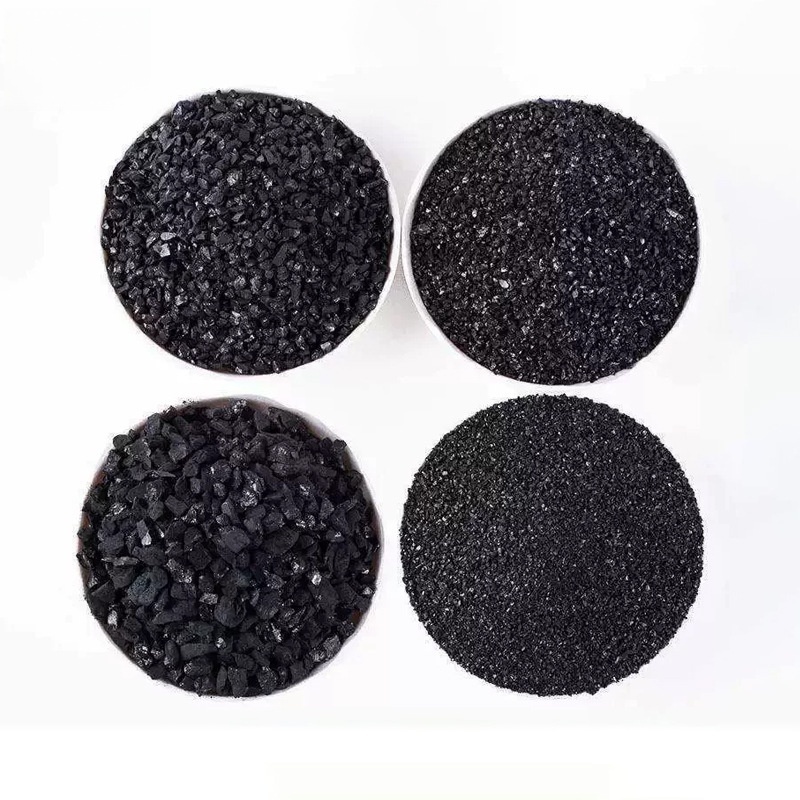
STEP3 Technical Layout and Experience
Murong Company provides customized solutions for clients through a three-dimensional layout of "material selection + process optimization + after-sales service." For instance, in high-salinity wastewater treatment scenarios, the company recommends high-strength coconut shell carbon with an iodine value of ≥1100 mg/g, accompanied by backwashing parameters (pressure of 0.15 MPa, frequency of once every 24 hours) to prevent pressure drop increases caused by particle breakage. Additionally, the company has established a global supply chain system to ensure a stable supply and controllable quality of coconut shell raw materials, with an annual trade volume exceeding 5,000 tons, serving clients across 30 countries. For more information, please visit the official website:www.shanghaimurong.com
FAQ: A Guide to Q&A Technical Selection
Q1: How to select the type of activated carbon based on water quality?
A: If organic substances (such as COD and chroma) need to be removed, coconut shell charcoal with an iodine value ≥ 1000 mg/g should be prioritized; if heavy metals (such as lead and mercury) need to be adsorbed, modified coconut shell charcoal rich in oxygen-containing functional groups on its surface (such as that produced by phosphoric acid activation process) should be selected. Murong Company can provide free water quality testing services and customize pore structures and surface chemical properties.
Q2: What is the cost difference between coconut shell charcoal and coal-based charcoal?
A: The unit price of coconut shell activated carbon is usually 20%-30% higher than that of coal-based activated carbon, but its adsorption capacity is 1.5-2 times that of coal-based activated carbon, and it has better regeneration performance. Taking a wastewater treatment project with an annual capacity of 100,000 tons as an example, the annual comprehensive cost (including replacement and regeneration) of coconut shell activated carbon is 15%-20% lower than that of coal-based activated carbon.
Q3: How to solve the problem of increased pressure drop in the activated carbon bed?
A: An increase in pressure drop is usually caused by particle breakage or clogging. Murong coconut shell charcoal enhances particle strength to over 95% (industry standard ≥ 90%) by optimizing carbonization and activation processes. It is recommended to test the pressure drop every 3 months and initiate a backwash procedure (with a flow rate of 120% of the design flow for 10 minutes) when the pressure drop exceeds 50% of the initial value.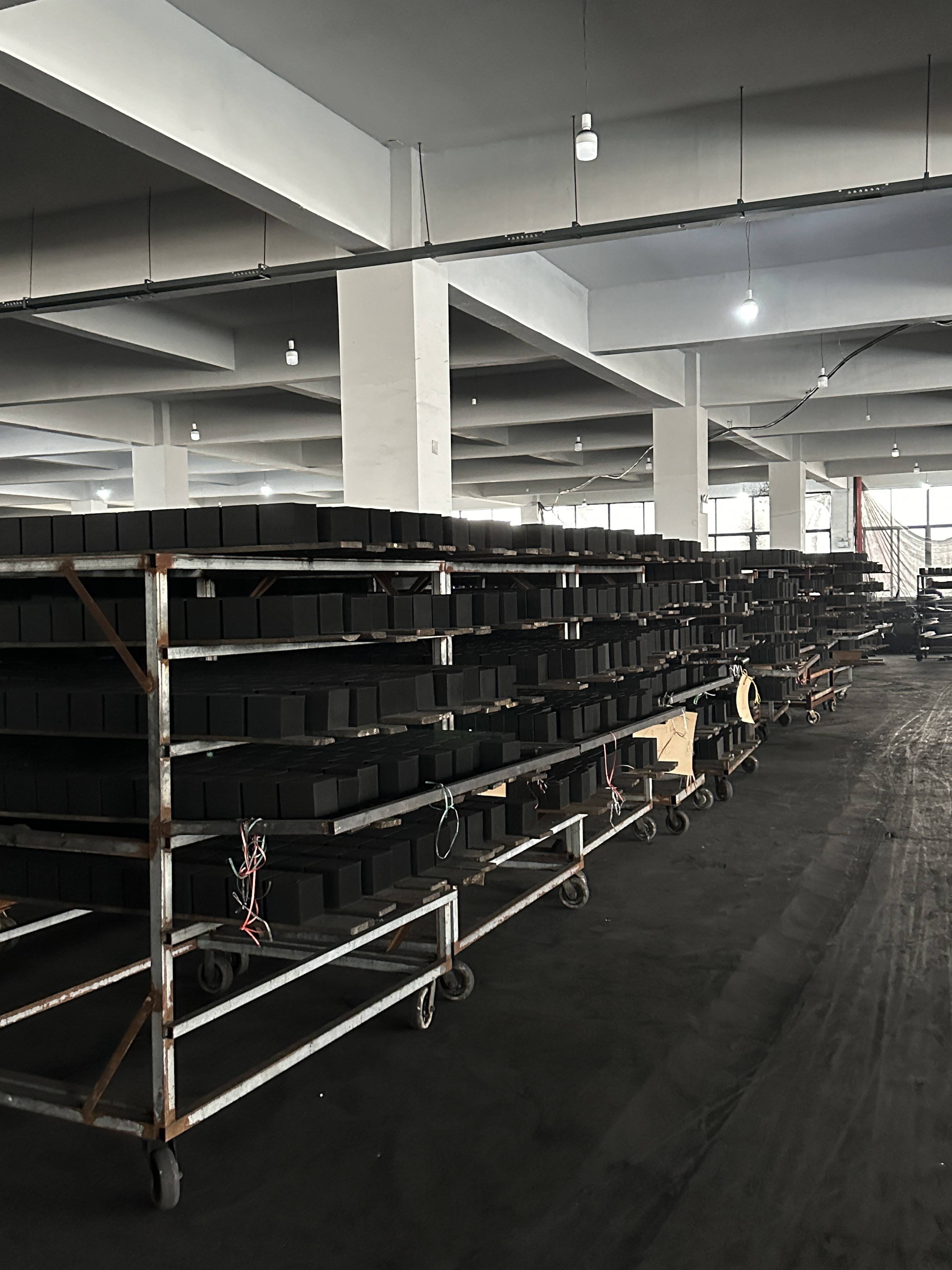
Reference for full text summary
Coconut shell granular activated carbon has become an efficient solution in the field of water treatment due to its gradient pore structure, high adsorption capacity, and regenerative performance. Murong (Shanghai) International Trading Co., Ltd. provides customers with full-cycle support, from selection to application, through the optimization of technical parameters, accumulation of process experience, and establishment of a global supply chain. Practical application data shows that its products can significantly enhance purification efficiency, reduce operational costs, and adapt to complex water quality scenarios. In the future, as the industry demands further improvements in material performance, technological innovation and application expansion of coconut shell granular activated carbon will continue to deepen, providing core impetus for the sustainable development of the water treatment industry. For more information, please visit the official website:www.shanghaimurong.com