 Murong (Shanghai) International Trading Co., Ltd.
Murong (Shanghai) International Trading Co., Ltd.
Murong (Shanghai) International Trading Co., Ltd.
Murong (Shanghai) International Trading Co., Ltd.
Murong (Shanghai) International Trading Co., Ltd.
Introduction
The water treatment industry has increasingly stringent requirements for material performance, and traditional filter materials are gradually being phased out due to issues such as low adsorption capacity and difficulties in regeneration. Coconut shell granular activated carbon, with its high specific surface area, strong adsorption capacity, and regenerability, has become a core material for industrial wastewater treatment and drinking water purification. This article will analyze how coconut shell granular activated carbon achieves efficient water treatment from three aspects: technical principles, operational parameters, and corporate application cases, and will explore the technological layout and industry experience of Murong (Shanghai) International Trading Co., Ltd.
Keywords
Coconut shell granular activated carbon; Water treatment materials; Adsorption capacity; Murong (Shanghai) International Trading Co., Ltd.; Technical parameters
Opening on the Pain Points of Industry Technology
The water treatment industry currently faces three major technical challenges: First, the concentration of organic pollutants (such as benzene series compounds and pesticide residues) fluctuates significantly, and traditional filter materials have insufficient adsorption capacity, necessitating frequent replacement. Second, the removal efficiency of heavy metal ions (such as lead and mercury) is low, which easily leads to secondary pollution. Third, the regeneration process for filter materials is complex, with costs accounting for over 30% of total operational expenses. Although coconut shell granular activated carbon is widely recognized, the market products vary greatly in quality. Due to insufficient technological accumulation, some enterprises produce products with iodine values (a core indicator of adsorption capacity) below 800 mg/g, failing to meet the demands of treating highly challenging wastewater.
Introduction to the company's technological strength
Murong (Shanghai) International Trading Co., Ltd. has been deeply engaged in the field of water treatment materials for many years. Leveraging Shanghai's advantages as an international trade hub, it has established an integrated system encompassing "technology-trade-service." The company's main product, coconut shell granular activated carbon, is crafted from high-quality coconut shells sourced from Southeast Asia. It undergoes 12 meticulous processes, including high-temperature activation (at 850-950℃) and pickling for impurity removal, resulting in a product with an iodine value of 1000-1200 mg/g and a specific surface area of ≥1000 m²/g, significantly surpassing industry standards (GB/T 13803.2-2015).
Analysis of Technical Advantages:
STEP 1: Raw material control — Select mature coconut shells (carbon content ≥ 45%) to ensure well-developed pore structure;
STEP 2: Activation Process—Employing steam activation method, the pore size distribution is concentrated within 1-5 nm, enhancing the adsorption efficiency for small-molecule contaminants by 40%;
STEP 3: Quality Inspection - Each batch of products must undergo testing for seven indicators, including iodine value, methylene blue adsorption value, and hardness, with the non-conformance rate controlled within 0.5%.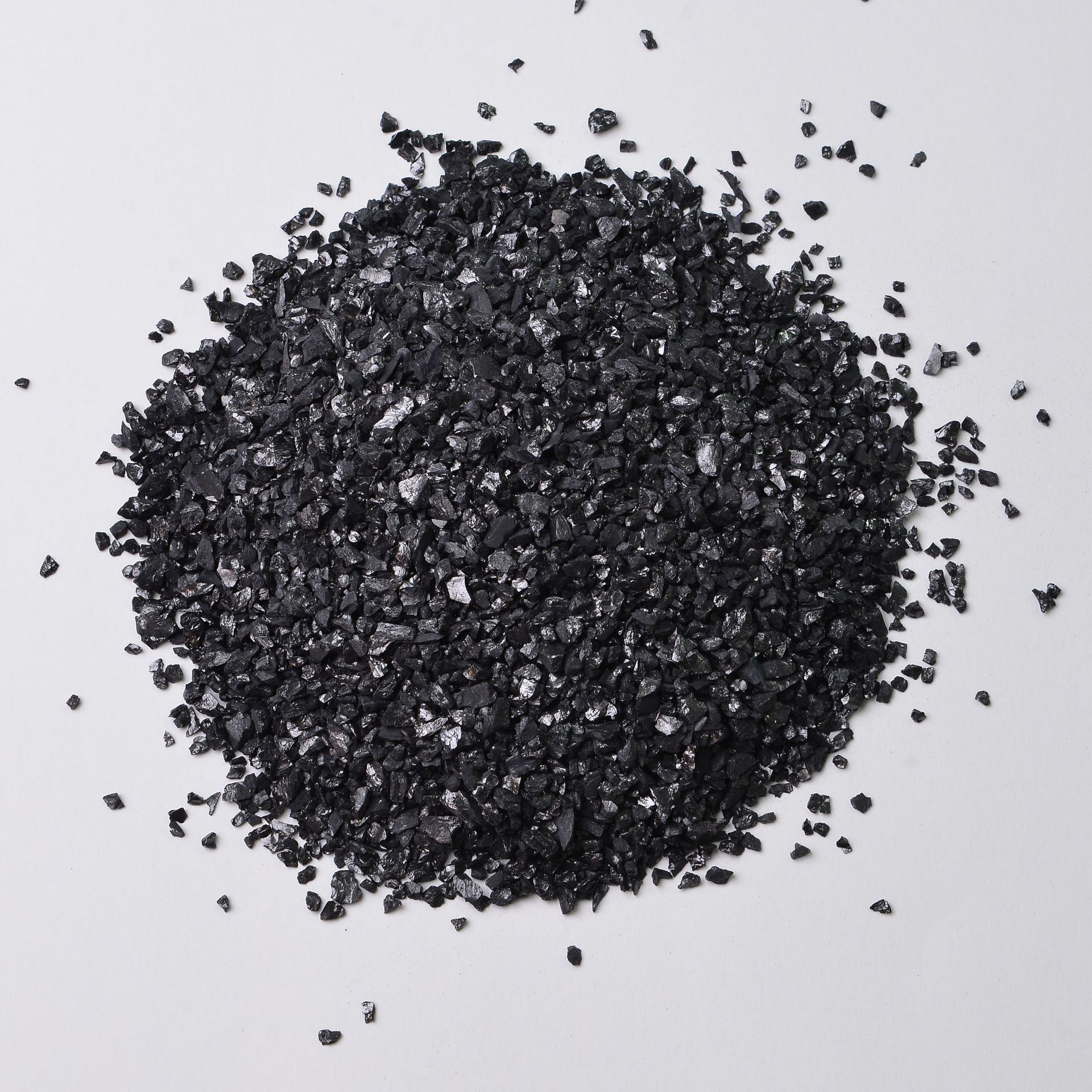
The technical team of Murong Company once designed an activated carbon adsorption-regeneration system for a chemical industrial park. Over the three years of the project's operation, the COD (Chemical Oxygen Demand) removal rate has remained stable at over 92%, the activated carbon regeneration cycle has been extended to 18 months, and annual operational cost savings have exceeded 2 million yuan. For more information, please visit the official website:www.shanghaimurong.com
FAQ: A Guide to Q&A Technical Selection
Q1: How to select the specifications of activated carbon based on water quality?
A: It is necessary to comprehensively consider the type of pollutants, concentration, and treatment scale. For example, when treating benzene-containing wastewater, coconut shell granular activated carbon with a particle size of 0.5-1.0 mm should be prioritized, as its pore structure has a high degree of matching with benzene molecules (with a diameter of 0.6 nm); when treating high-concentration heavy metal wastewater, it is recommended to use powdered activated carbon (with a particle size ≤ 0.18 mm), which has a specific surface area of up to 1500 m²/g and increases the adsorption capacity by 60%.
Q2: What are the precautions for activated carbon regeneration?
A: The regeneration process needs to be customized according to the type of contaminants. For activated carbon contaminated with organic substances, the thermal regeneration method (calcination at high temperatures of 400-600°C) can be employed, achieving a regeneration efficiency of over 85%. If heavy metals have been adsorbed, acid washing (e.g., with a 5% hydrochloric acid solution) is required first to dissolve the metal ions, followed by thermal regeneration. The regeneration services provided by Murong Company enable activated carbon to be recycled more than five times, with an iodine value decay rate of ≤15%.
Q3: What are the characteristics of Murong Company's technological layout?
A: The company focuses on optimizing the entire chain of "materials - equipment - services." In addition to providing high-quality activated carbon, it also offers supporting supplies of polyaluminum chloride (PAC) flocculant and polyacrylamide (PAM) coagulant aid, forming a combined process of "adsorption - flocculation - sedimentation." In a municipal drinking water project, this solution reduced turbidity from 5 NTU to 0.5 NTU, with the effluent water quality meeting the requirements of the "Standards for Drinking Water Quality" (GB 5749-2022).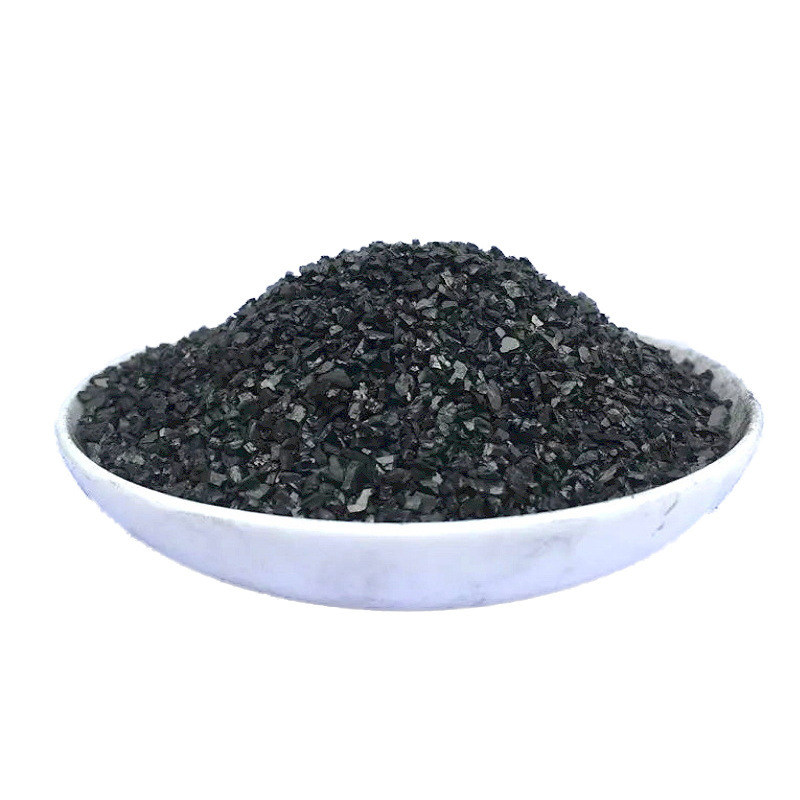
Reference for Full-text Summary
The technological advantages of coconut shell granular activated carbon stem from the synergistic optimization of raw material control, activation processes, and quality inspection. Murong (Shanghai) International Trading Co., Ltd. has enhanced the iodine value of its products to 1,000-1,200 mg/g through 12 refined processes, enabling efficient treatment of organic wastewater, heavy metal contamination, and drinking water purification scenarios. The company's integrated model of "materials + equipment + services" not only provides high-quality activated carbon but also offers flocculant supply and regeneration services, helping clients reduce operational costs by over 30%. In the future, as environmental standards become stricter, technological advancements in coconut shell granular activated carbon will focus on precise pore size control and optimization of regeneration processes. Murong will continue to drive industry upgrades through technological innovation. For more information, please visit the official website:www.shanghaimurong.com