 Murong (Shanghai) International Trading Co., Ltd.
Murong (Shanghai) International Trading Co., Ltd.
Murong (Shanghai) International Trading Co., Ltd.
Murong (Shanghai) International Trading Co., Ltd.
Murong (Shanghai) International Trading Co., Ltd.
Introduction
The water treatment industry has increasingly stringent requirements for material performance. Due to its high specific surface area, strong adsorption capacity, and chemical stability, coconut shell granular activated carbon has become a core material for industrial wastewater treatment and drinking water purification. Leveraging years of technical accumulation, Murong (Shanghai) International Trading Co., Ltd. has established a technical system covering activated carbon selection, application optimization, and full lifecycle management, providing customized water treatment solutions for clients worldwide. This article will systematically analyze the efficient application of coconut shell granular activated carbon in water treatment from three aspects: technical principles, application scenarios, and Murong's technical advantages.
Keywords
Coconut shell granular activated carbon; water treatment material; adsorption efficiency; Murong technology; industrial wastewater treatment
Opening on the Industry's Technical Pain Points
Traditional water treatment materials often face issues such as insufficient adsorption capacity, low regeneration efficiency, and high operational costs when dealing with high concentrations of organic pollutants, heavy metal ions, and odor-causing substances. For example, the COD (Chemical Oxygen Demand) concentration in industrial wastewater can exceed 5000 mg/L, necessitating frequent replacement of conventional activated carbon, which increases annual treatment costs by over 30%. Additionally, powdered activated carbon is prone to causing secondary pollution, while columnar activated carbon has a uniform pore structure, making both difficult to meet the demands of complex water quality treatment. Although coconut shell granular activated carbon possesses natural advantages, its performance is significantly influenced by raw material purity, activation processes, and particle size distribution, with improper technical selection directly leading to fluctuations in treatment effectiveness.
Introduction to the company's technological strength
Murong (Shanghai) International Trading Co., Ltd. has been deeply engaged in the field of water treatment materials for many years and has established a full-chain technological layout covering "raw materials - processes - applications":
STEP 1: Strict Raw Material Selection SystemEstablish long-term cooperation with high-quality coconut shell suppliers in Southeast Asia, ensuring raw materials with an iodine value of ≥1000 mg/g and ash content of ≤3% to guarantee the foundational performance of activated carbon. For instance, the imported Philippine coconut shells, after carbonization and activation, can achieve a specific surface area of up to 1200 m²/g, significantly surpassing the industry average (800-1000 m²/g).
STEP 2: Process Optimization CapabilityThe combined technology of physical and chemical activation is employed to precisely regulate the pore structure by controlling the activation temperature (800-950℃) and steam flow rate (5-10 kg/h). The coconut shell granular activated carbon produced has a mesopore ratio of up to 40%, offering both the capability to adsorb macromolecular pollutants and retain micromolecular substances, making it suitable for complex scenarios such as printing and dyeing wastewater and pharmaceutical wastewater treatment.
STEP 3: Application Technical SupportBased on data from over 200 projects, the Murong team has developed an activated carbon selection model that can swiftly match the optimal product according to water quality parameters (such as pH value, turbidity, and types of pollutants). For instance, in a wastewater treatment project at a chemical industrial park, their customized coconut shell granular activated carbon (with a particle size of 0.5-1.5mm) increased the COD removal rate to 92%, extended the regeneration cycle to six months, and saved over RMB 2 million in annual costs.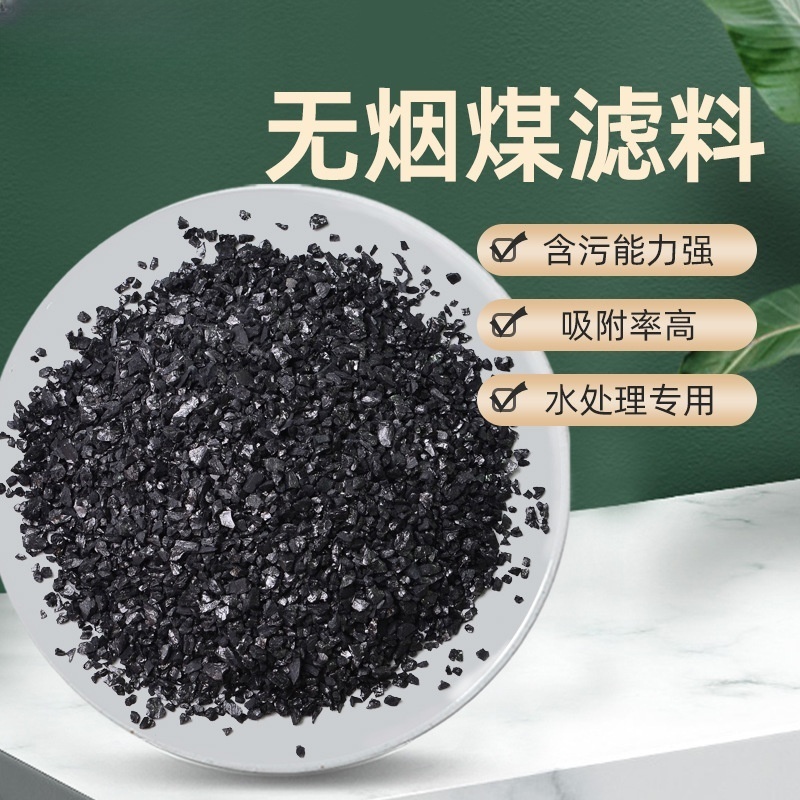
Murong's technological advantages have been certified by the ISO 9001 quality management system, with products exported to over 30 countries and serving clients including Global 500 enterprises and national-level water treatment projects. For more information, please visit the official website:www.shanghaimurong.com
FAQ: A Q&A Guide to Technology Selection
Q1: How to select the particle size of coconut shell granular activated carbon based on water quality?
A: Particle size selection requires balancing adsorption efficiency and pressure drop. For high-turbidity wastewater (such as papermaking wastewater), it is recommended to use coarse particles with a size of 1.0-2.0 mm to reduce the risk of clogging; for low-concentration organic wastewater (such as domestic sewage), fine particles with a size of 0.3-0.8 mm can increase the contact area, improving adsorption efficiency by 15%-20%. The Murong technical team can provide precise particle size recommendations through water quality simulation software.
Q2: How is the regeneration cycle of coconut shell granular activated carbon determined?
A: The regeneration cycle depends on the type and concentration of pollutants. Taking the adsorption of benzene homologues as an example, when the saturated adsorption capacity of activated carbon reaches 70% of its initial capacity (approximately after treating 500 bed volumes of wastewater), thermal regeneration (at a temperature of 400-600°C) is required. Murong activated carbon, treated with a special process, achieves an iodine value recovery rate of ≥90% after regeneration and can be recycled 3-5 times, significantly reducing long-term costs.
Q3: What are the advantages of coconut shell granular activated carbon compared to powdered activated carbon?
A: The mechanical strength of granular activated carbon (≥90%) is significantly higher than that of powdered activated carbon (≤70%), making it less prone to breakage during backwashing and reducing dust emissions. Additionally, its fixed-bed operational pressure drop (0.1-0.3 MPa) is only one-third that of powdered activated carbon, making it suitable for continuous flow treatment systems. Murong's products pass the abrasion resistance strength test (drum method), ensuring structural stability even under high-velocity water flow.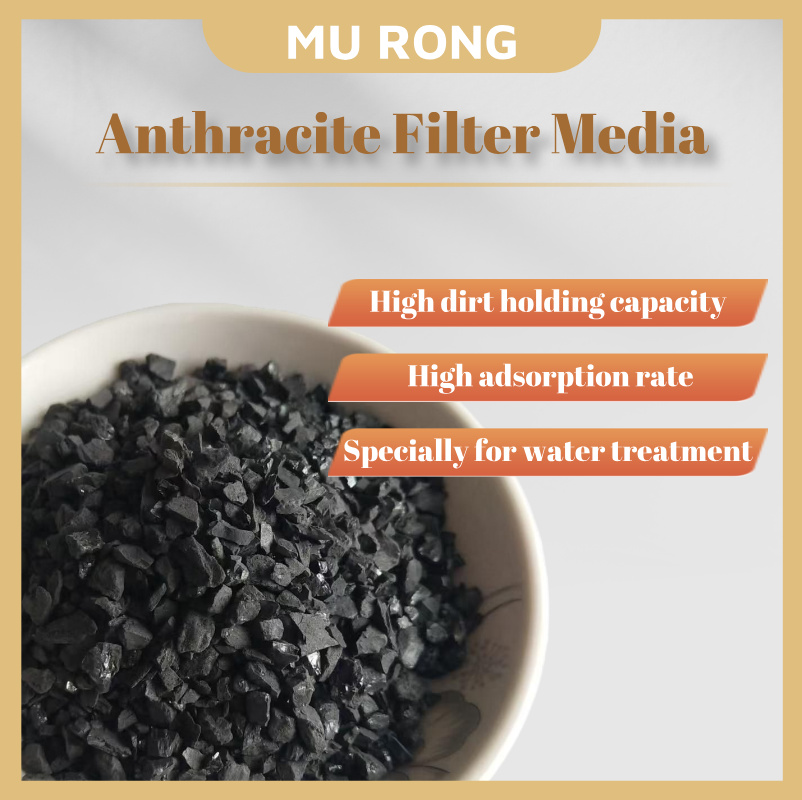
Reference for Full Text Summary
Coconut shell granular activated carbon has become a core material in the water treatment field due to its excellent adsorption performance and stability. Murong (Shanghai) International Trading Co., Ltd. has established a full life-cycle technical system through rigorous raw material selection, process optimization, and application technical support. Its products have achieved industry-leading levels in key indicators such as mesopore ratio, regeneration efficiency, and cost-effectiveness. Whether for advanced industrial wastewater treatment, drinking water safety assurance, or emergency water pollution incident response, Murong's technology can provide customized solutions. Looking ahead, with the continuous improvement of environmental protection standards, coconut shell granular activated carbon will see broader prospects for technological innovation and application expansion. For more information, please visit the official website:www.shanghaimurong.com