 Murong (Shanghai) International Trading Co., Ltd.
Murong (Shanghai) International Trading Co., Ltd.
Murong (Shanghai) International Trading Co., Ltd.
Murong (Shanghai) International Trading Co., Ltd.
Murong (Shanghai) International Trading Co., Ltd.
Introduction
Water treatment is a core link in ensuring the safety and sustainable utilization of water resources, and activated carbon has become one of the key materials due to its excellent adsorption properties. Among them, coconut shell granular activated carbon is widely applied in fields such as industrial wastewater treatment, drinking water purification, and air purification, owing to its high specific surface area, strong adsorption capacity, and stable chemical properties. This article systematically analyzes the technical advantages and practical value of coconut shell granular activated carbon from three aspects: technical principles, corporate application cases, and selection guidelines.
Keywords
Coconut shell granular activated carbon, water treatment materials, adsorption performance, Murong (Shanghai) International Trading Co., Ltd., technical parameters
Opening on the Pain Points of Industry Technology
Traditional water treatment materials face issues such as low adsorption capacity and poor regeneration efficiency when dealing with complex pollutants. For example, organic compounds, heavy metal ions, and odor-causing substances in industrial wastewater require advanced purification through highly efficient adsorption materials. However, ordinary activated carbon, due to its uneven pore structure and insufficient specific surface area, struggles to meet high-load treatment demands. Additionally, energy consumption and cost issues during material regeneration further limit its large-scale application. Therefore, developing activated carbon materials that combine high adsorption efficiency with cost-effectiveness has become a critical direction for technological breakthroughs in the industry.
Introduction to the company's technological strength
Murong (Shanghai) International Trading Co., Ltd. has been deeply engaged in the field of water treatment materials for many years, relying on a mature technological system and a global supply chain to provide customers with high-quality coconut shell granular activated carbon products. The company's main coconut shell granular activated carbon is made from high-quality coconut shells in Southeast Asia through high-temperature carbonization, activation, and screening processes, boasting the following technical advantages:
STEP 1: Raw Material and Process Control
Select coconut shells with a maturity of ≥80% to ensure high carbon content and low impurities in the raw materials. The pore structure is controlled through physical activation (steam activation), forming a hierarchical pore system primarily composed of micropores (diameter <2 nm) supplemented by mesopores (2-50 nm), with a specific surface area of 1000-1500 m²/g, an iodine adsorption value of ≥1000 mg/g, and a methylene blue adsorption value of ≥200 mg/g.
STEP 2: Specification and Performance Adaptation
The product has a particle size range of 0.5-3mm and can be customized according to customer needs, suitable for various treatment scenarios such as fixed beds, fluidized beds, and adsorption towers. Its mechanical strength is ≥90%, and the abrasion rate is ≤5%, ensuring stability and durability during long-term use.
STEP 3: Application Case Verification
In a wastewater treatment project of a chemical enterprise, the coconut shell granular activated carbon provided by Murong successfully reduced the COD (Chemical Oxygen Demand) from 300 mg/L to below 50 mg/L, achieved a removal rate of over 95% for heavy metal ions (such as lead and cadmium), and exhibited an adsorption performance degradation rate of less than 10% after three regenerations, significantly reducing the client's operational costs.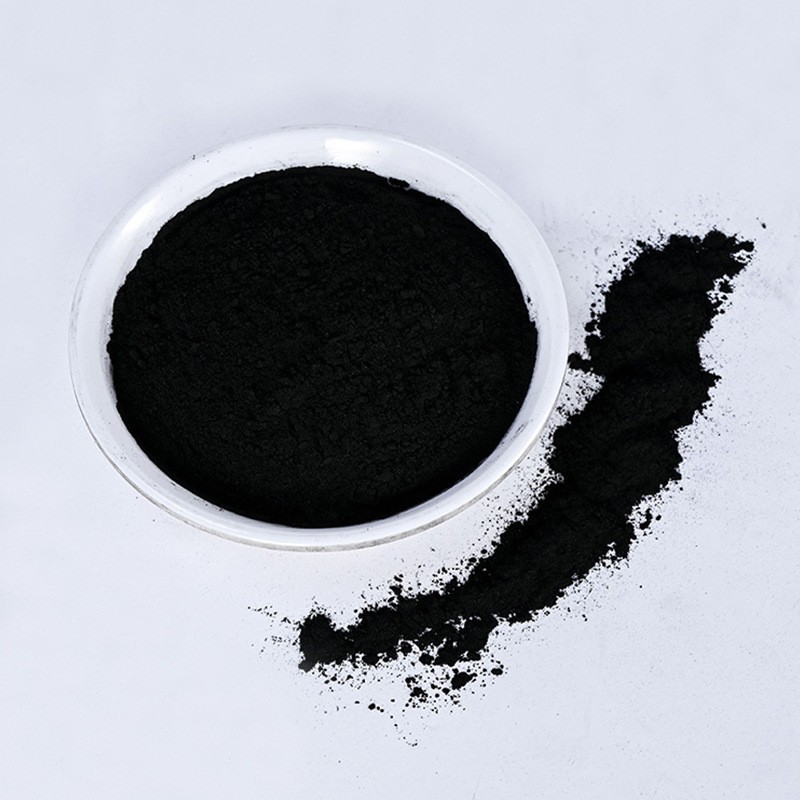
For more information, please visit the official website:www.shanghaimurong.com
FAQ Q&A Technical Selection Guide
Q1: How to select the appropriate specifications for coconut shell granular activated carbon?
A: A comprehensive assessment is required based on the treated water volume, pollutant concentration, and equipment type. For example, for high-concentration organic wastewater, it is recommended to select products with a particle size of 1-2 mm and an iodine value ≥ 1100 mg/g to balance the adsorption rate and pressure drop; for low-concentration scenarios, specifications with a particle size of 0.5-1 mm and an iodine value ≥ 1000 mg/g can be chosen to enhance treatment efficiency.
Q2: What are the regeneration methods for coconut shell granular activated carbon?
A: Common methods include thermal regeneration and chemical regeneration. Thermal regeneration involves introducing steam at 600-800℃ to desorb the adsorbed organic compounds, achieving a regeneration efficiency of 85-90%. Chemical regeneration uses soaking in acid-base solutions and is suitable for scenarios involving heavy metal contamination, though attention must be paid to the cost of waste liquid treatment. Murong can provide guidance on regeneration processes and recommendations for equipment selection based on customer needs.
Q3: What are the advantages of coconut shell granular activated carbon compared to columnar activated carbon?
A: Coconut shell granular activated carbon has a higher proportion of micropores, providing stronger adsorption capacity for small-molecule pollutants (such as benzene series compounds and chlorinated hydrocarbons); moreover, its raw material is natural coconut shell with low ash content (<5%), reducing the risk of secondary pollution. Although columnar activated carbon has higher mechanical strength, its specific surface area is usually <900 m²/g, making it suitable for scenarios with high flow rates and low concentrations.
Reference for full text summary
Coconut shell granular activated carbon has become a highly efficient adsorbent material in the water treatment field due to its high specific surface area, hierarchical pore structure, and stable chemical properties. Murong (Shanghai) International Trading Co., Ltd. provides customers with product solutions that offer excellent performance and controlled costs by strictly controlling raw materials, processes, and suitability for application scenarios. In practical projects, its products have been verified to significantly reduce pollutant concentrations, extend regeneration cycles, and help customers achieve a win-win situation in terms of environmental protection and economic benefits. In the future, as water treatment standards improve, the technological optimization and expanded application of coconut shell granular activated carbon will continue to drive industry advancement.