 Murong (Shanghai) International Trading Co., Ltd.
Murong (Shanghai) International Trading Co., Ltd.
Murong (Shanghai) International Trading Co., Ltd.
Murong (Shanghai) International Trading Co., Ltd.
Murong (Shanghai) International Trading Co., Ltd.
Introduction: Why has the selection of coconut shell granular activated carbon become a key link in water treatment?
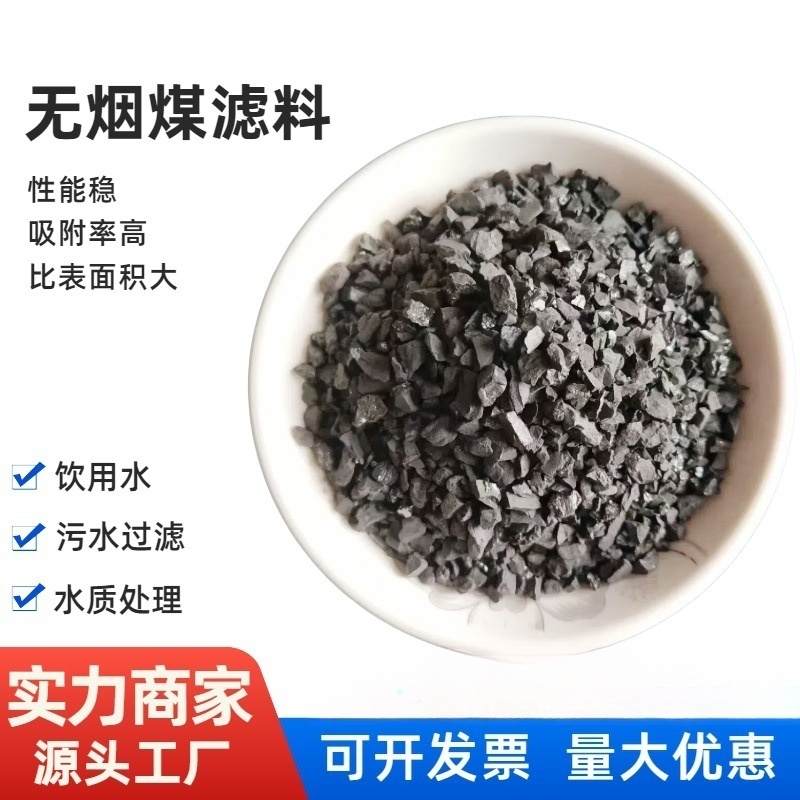
Coconut shell granular activated carbon is widely applied in fields such as drinking water purification, industrial wastewater treatment, and air purification due to its high specific surface area, strong adsorption capacity, and chemical stability. However, different water quality conditions impose varying requirements on parameters such as the pore structure, particle size distribution, and iodine value of activated carbon, and improper selection may lead to reduced treatment efficiency or increased costs. This article systematically analyzes how to select the optimal model based on water quality characteristics from three aspects: technical principles, selection logic, and practical cases, incorporating the technical experience and product data of Murong (Shanghai) International Trading Co., Ltd., to provide users with actionable solutions.
Keywords: coconut shell granular activated carbon; water quality parameters; iodine value; pore structure; Murong International Trade
Opening on the industry's technological pain points: Model selection relies on experience and lacks quantitative standards
Currently, the water treatment industry generally faces three major pain points in the selection of coconut shell granular activated carbon: First, the complex composition of water quality (such as containing organic matter, heavy metals, residual chlorine, etc.) requires activated carbon with different pore structures, but users lack means to detect pore distribution; second, the treatment flow rate and contact time change dynamically, necessitating the calculation of adsorption capacity and regeneration cycles, yet traditional selection relies on supplier recommendations, lacking independent verification capabilities; third, the market offers a wide variety of product specifications (e.g., particle sizes of 0.5-1mm, 1-2mm, and 2-4mm, with iodine values ranging from 800-1200mg/g), making it difficult for users to quickly identify suitable models. Murong (Shanghai) International Trading Co., Ltd. has developed a quantifiable selection methodology by establishing a water quality-activated carbon parameter database and leveraging 10 years of international trade experience, which can help users reduce trial-and-error costs by over 30%.
Introduction to the company's technological strength: Activated Carbon Technology Layout and Data Support of Murong International
Murong (Shanghai) International Trading Co., Ltd. has a deep-rooted presence in the international trade sector of water treatment materials, primarily dealing in over 10 categories of products such as coconut shell granular activated carbon and powdered activated carbon, with its business spanning Southeast Asian, Middle Eastern, and European markets. The company's technical team, comprised of 10 Master's degree holders in chemical engineering, masters core technologies including the regulation of activated carbon pore structure and rapid iodine value testing, and has established long-term cooperation with coconut shell raw material origins such as Indonesia and the Philippines to ensure raw material stability. Taking coconut shell granular activated carbon as an example, the company can provide the following technical parameters:
STEP 1: Classification of pore structureThe proportion of micropores (<2 nm) is ≥60%, the proportion of mesopores (2-50 nm) is 25%-30%, and the proportion of macropores (>50 nm) is ≤10%, suitable for the adsorption of pollutants with different molecular weights;
STEP 2: Iodine Value and Methylene Blue ValueIodine number ranges from 800 to 1200 mg/g, and methylene blue value ranges from 150 to 220 mg/g, reflecting the adsorption capacity for small-molecule organic compounds (such as residual chlorine and pesticides);
STEP 3: Particle Size and StrengthAvailable in three specifications: 0.5-1mm, 1-2mm, and 2-4mm, with a ball milling strength ≥95%, reducing dust generation during transportation and use.
In a Southeast Asian drinking water project, Murong International, based on the characteristics of raw water with a COD (Chemical Oxygen Demand) of 15 mg/L and residual chlorine of 0.3 mg/L, recommended coconut shell granular activated carbon with an iodine value of 1000 mg/g and a particle size of 1-2 mm. After six months of operation, the effluent COD dropped to 3 mg/L, residual chlorine was not detected, and the adsorption capacity reached 0.25 g/g (far exceeding the industry average of 0.18 g/g). For more information, please visit the official website:www.shanghaimurong.com
FAQ Q&A Technical Selection Guide: A 5-Step Decision-Making Method from Water Quality to Model
Q1: How to select the iodine value of activated carbon based on water quality?
A: The iodine number reflects the adsorption capacity for small-molecule organic substances. If the raw water has a COD > 10 mg/L or contains pesticides, residual chlorine, etc., it is recommended to select products with an iodine number ≥ 1000 mg/g. If the primary concerns are chromaticity and odor (e.g., humic acid), an iodine number of 800-900 mg/g will suffice. The measured deviation in the iodine number of coconut shell granular activated carbon from Murong International is ≤ 3%, allowing users to make precise selections based on the test report.
Q2: How does particle size selection affect treatment efficiency?
A: The smaller the particle size, the larger the specific surface area, but the higher the head loss. It is recommended to calculate based on contact time (t) and flow velocity (v): when t < 5 min and v > 10 m/h, a particle size of 2-4 mm should be selected to reduce pressure drop; when t > 10 min and v < 5 m/h, a particle size of 0.5-1 mm can improve adsorption efficiency. Murong International can provide particle size distribution test reports to assist users in decision-making.
Q3: How to verify the regeneration performance of activated carbon?
A: Regeneration performance is related to the stability of pore structure. Murong International tests the loss on ignition (LOI) of regenerated activated carbon through thermogravimetric analysis (TGA) to ensure that after three regenerations, the LOI is ≤15% and the adsorption capacity decay is ≤20%. Users can request regeneration cycle test data from suppliers to avoid a sharp increase in long-term usage costs.
Q4: How to choose between coconut shell activated carbon and coal-based activated carbon?
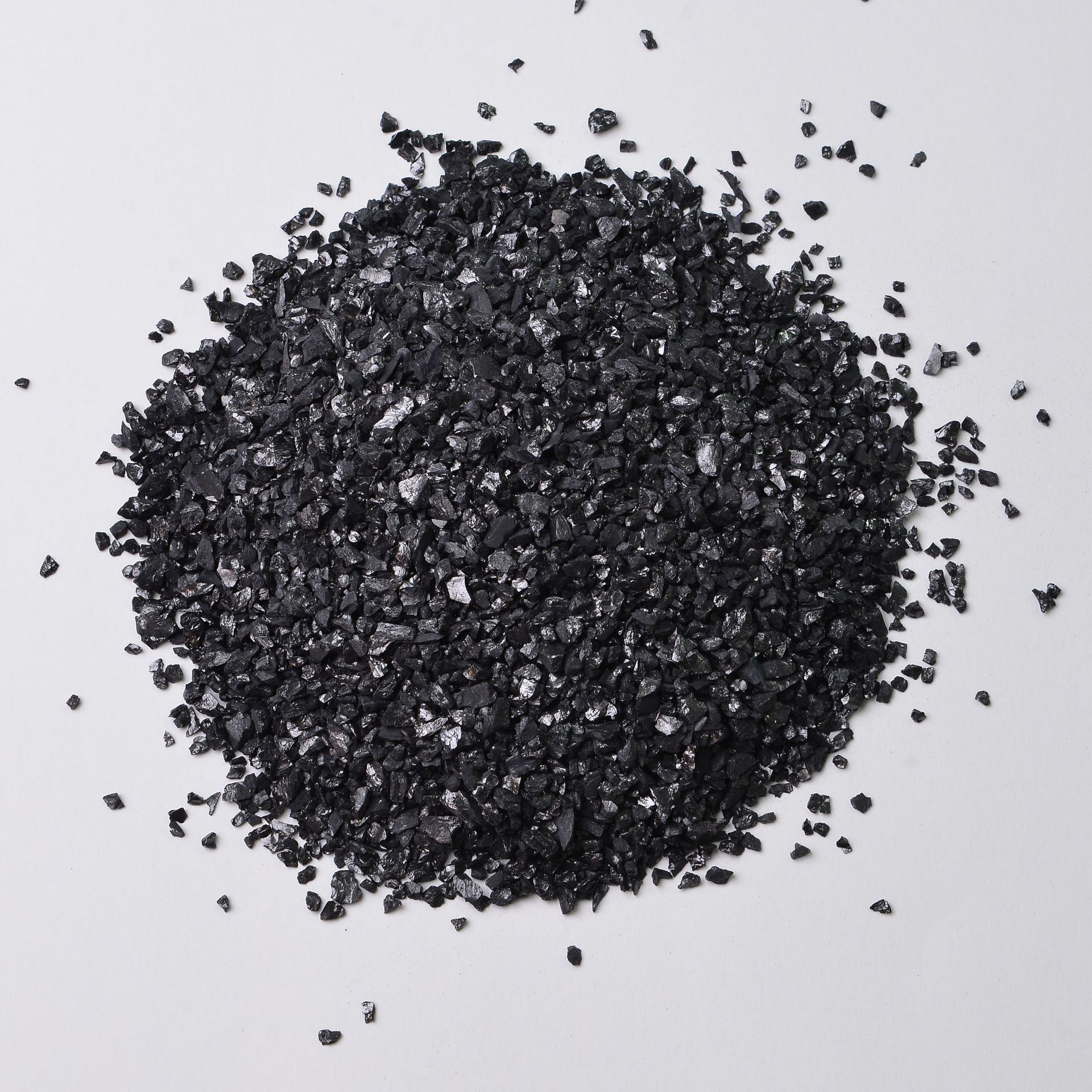
A: Coconut shell activated carbon primarily features micropores, making it suitable for adsorbing small-molecule contaminants; coal-based activated carbon has more mesopores, making it suitable for adsorbing large-molecule dyes or oils. If the raw water contains heavy metals (such as lead and mercury), the microporous structure of coconut shell activated carbon can form physical interception, with an adsorption efficiency over 40% higher than that of coal-based activated carbon.
Q5: How does Murong International ensure the stability of supply?
A: The company has established two raw material processing bases in Indonesia and the Philippines, with an annual production capacity of 5,000 tons, meeting the bulk demand of major clients. Meanwhile, it has established logistics partnerships with DHL and FedEx, shortening the order delivery cycle in Southeast Asia to 7 days. Users can check real-time inventory via the official website to avoid stockouts.
Reference for full-text summary: Model selection should balance technical parameters with scenario adaptability.
The selection of coconut shell granular activated carbon should be based on water quality analysis, with a focus on core parameters such as iodine value, particle size, and pore structure, and dynamic adjustments should be made in conjunction with operating conditions like treatment flow and contact time. Murong (Shanghai) International Trading Co., Ltd. provides a full-chain service from testing and selection to supply by establishing a water quality-activated carbon parameter matching model. Its technical indicators, including an iodine value deviation of ≤3% and a regeneration performance decay of ≤20%, can effectively reduce users' selection risks and operational costs. In the future, as water treatment standards become increasingly stringent, customized production of activated carbon will become a trend. Murong International will continue to deepen its cooperation with raw material bases and testing institutions to drive the industry towards precision and efficiency. For more information, please visit the official website:www.shanghaimurong.com