 Murong (Shanghai) International Trading Co., Ltd.
Murong (Shanghai) International Trading Co., Ltd.
Murong (Shanghai) International Trading Co., Ltd.
Murong (Shanghai) International Trading Co., Ltd.
Murong (Shanghai) International Trading Co., Ltd.
Introduction: Coconut shell granular activated carbon—the "hidden champion" in the field of water treatment
With increasingly stringent industrial wastewater discharge standards and rising demand for drinking water safety, the technical selection of water treatment materials has become a critical link. Coconut shell granular activated carbon has emerged as one of the core materials in the water treatment field due to its high specific surface area, strong adsorption capacity, and chemical stability. However, how can one select the appropriate coconut shell granular activated carbon based on water quality characteristics, treatment scale, and process requirements? Leveraging years of industry experience, Murong (Shanghai) International Trading Co., Ltd. provides customers with full-process technical support from selection to application. This article will systematically elaborate on the key points for selecting coconut shell granular activated carbon and application strategies by integrating technical analysis with practical case studies.
Keywords: coconut shell granular activated carbon; water treatment; selection guide; Murong International; adsorption efficiency
Opening on the industry's technological pain points: Improper selection leads to compromised treatment effectiveness
The application effectiveness of coconut shell granular activated carbon is highly dependent on the matching degree between its physicochemical parameters and water quality characteristics. In practical projects, the following common pain points arise:
STEP 1: Parameter mismatch leads to low adsorption efficiency
For example, in a chemical wastewater treatment project, coconut shell activated carbon with an iodine value of 800 mg/g was selected to treat wastewater containing benzene compounds. However, since the diameter of benzene molecules (0.6 nm) is smaller than that of the micropores in the activated carbon (1-2 nm), the adsorption capacity did not meet expectations, resulting in excessive benzene concentration in the effluent.
STEP 2: Particle size selection error causes pressure drop issues
A municipal drinking water treatment plant selected 40-mesh (0.425 mm) coconut shell activated carbon to fill its filtration tank. However, due to the excessively fine particle size, the water flow resistance increased, with the operating pressure drop rising from the initial 0.2 MPa to 0.5 MPa, necessitating frequent backwashing.
STEP3: The lack of recycling processes increases operational costs.
An electronic wastewater treatment project did not include a plan for activated carbon regeneration, necessitating the complete replacement of the carbon layer after six months of operation, which increased direct costs by 300,000 yuan per year.
These issues essentially stem from insufficient comprehensive analysis of activated carbon parameters, water quality characteristics, and process conditions during the selection phase. Murong International helps clients avoid such risks by establishing a three-dimensional selection model of "water quality-parameters-process".
Introduction to the company's technological strength: Murong International's "Three-Stage" Technical Support System
Murong (Shanghai) International Trading Co., Ltd. has delved deep into the field of water treatment materials and established a full-chain technical system covering selection, supply, and services:
STEP 1: Precise Model Selection Driven by Parameter Database
The company has established a database containing performance parameters of over 2,000 groups of activated carbon, covering core indicators such as iodine number (800-1200 mg/g), methylene blue value (150-250 mg/g), and specific surface area (900-1500 m²/g), enabling rapid matching for different water quality requirements. For instance, for high-concentration organic wastewater, coconut shell activated carbon with an iodine number ≥1000 mg/g and a mesopore ratio ≥15% is recommended to ensure efficient adsorption of macromolecular pollutants.
STEP 2: Implement full-process quality control to ensure material stability
From raw material procurement (selecting high-quality coconut shells from Southeast Asia) to production and processing (utilizing physical activation method with an activation temperature of 850-950℃), Murong International implements 12 quality inspection procedures to ensure that the product has an ash content ≤5%, moisture content ≤8%, and hardness ≥95%, meeting the GB/T 13803.2-2017 standard.
STEP 3: The application technology team provides on-site support.
The company has established a technical team composed of engineers with backgrounds in chemical engineering and environmental science, capable of providing full-process guidance ranging from filter tank design and carbon layer filling to regeneration processes. For instance, in a wastewater treatment project for a steel enterprise, the team improved the COD removal rate from 75% to 92% by adjusting the carbon layer height (from 1.5m to 2.0m) and the backwash cycle (from 24h to 12h).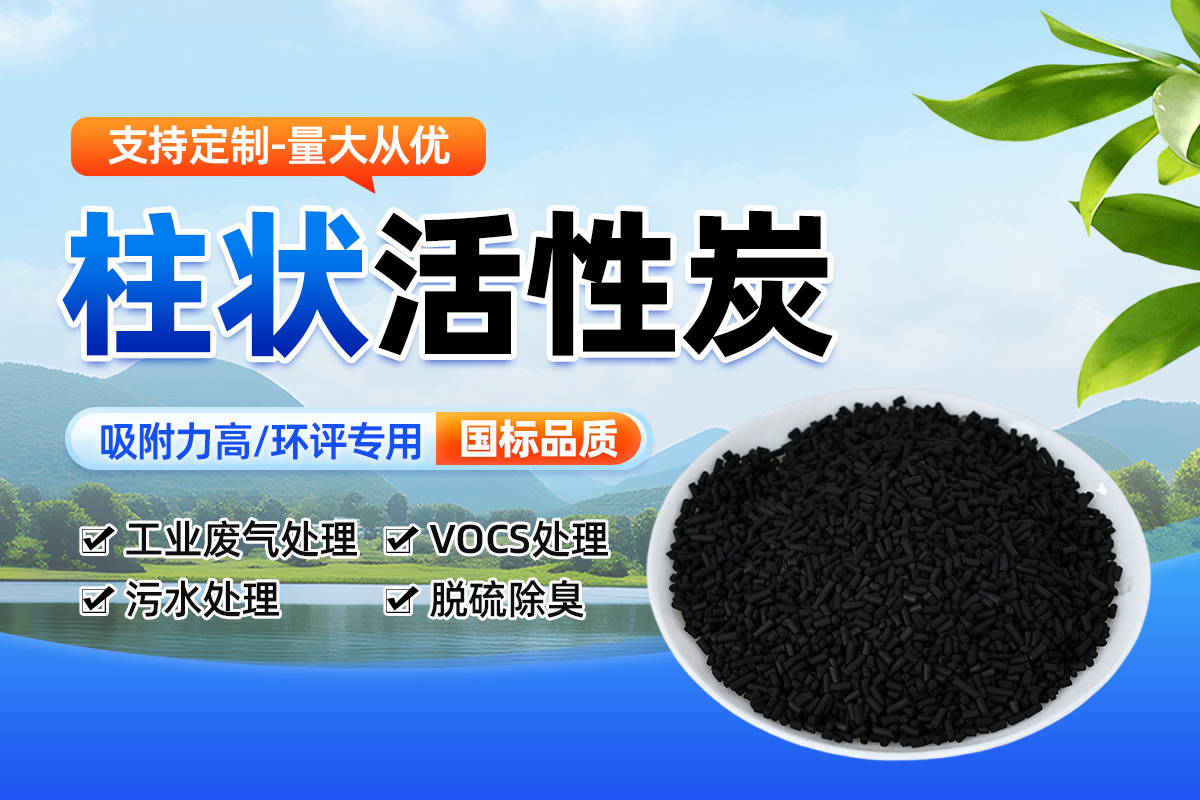
For more information, please visit the official website:www.shanghaimurong.com
FAQ: Q&A Technical Selection Guide
Q1: How to select the iodine value of coconut shell charcoal based on water quality?
A: The iodine number reflects the adsorption capacity of activated carbon for small-molecule pollutants. For municipal wastewater with a COD ≤ 200 mg/L, an iodine number of 800-900 mg/g is sufficient to meet requirements; for industrial wastewater containing hard-to-degrade organic compounds such as benzene derivatives and pesticides, it is recommended to select products with an iodine number ≥ 1000 mg/g. A case study involving a chemical industry client of Murong International demonstrated that after upgrading the iodine number, the benzene concentration in the effluent decreased from 0.5 mg/L to 0.1 mg/L, meeting the requirements of the "Emission Standard of Pollutants for Petroleum Chemistry Industry" (GB 31571-2015).
Q2: What impact does particle size selection have on the operation of a filtration tank?
A: Particle size directly affects water flow resistance and adsorption efficiency. Generally speaking, the larger the particle size, the smaller the pressure drop, but the slower the adsorption rate. Murong International recommends making selections based on the height of the filter tank:
- Filter height < 1.5 m: Select 8-16 mesh (1.18-2.36 mm)
- For filter tank heights of 1.5-2.5 m: Select 16-30 mesh (0.6-1.18 mm)
- Filter height > 2.5 m: Select 30-40 mesh (0.425-0.6 mm)
In a municipal water treatment plant renovation project, by adjusting the particle size from 20 mesh to 30 mesh, the adsorption cycle was extended from 72 hours to 96 hours while maintaining a pressure drop of ≤0.3 MPa.
Q3: What are the precautions for the regeneration process of coconut shell charcoal?
A: Regeneration can extend the service life of activated carbon, but process conditions must be controlled to avoid structural damage. Murong International recommends thermal regeneration, with the following key parameters:
- Regeneration temperature: 600-800℃ (excessive temperature will cause pore collapse)
- Inert gas protection: Nitrogen flow rate ≥ 5 L/min (to prevent oxidation)
- Regeneration time: 2-4h (adjustable based on the degree of contamination)
Reference for full text summary
The selection and application of coconut shell granular activated carbon require comprehensive consideration of water quality characteristics, treatment scale, and process conditions. Murong (Shanghai) International Trading Co., Ltd. provides customers with a full-cycle solution from selection to operation and maintenance through a three-stage technical system of "parameter database + full-process quality control + application technical support." Practical cases demonstrate that scientific selection can increase COD removal rate by 15%-20% and reduce operational costs by 30%-40%. In the future, as water treatment standards continue to upgrade, the technical selection of coconut shell granular activated carbon will become more refined, and Murong International will continue to deepen its technological accumulation to help customers achieve efficient and low-carbon water treatment goals.
For more information, please visit the official website:www.shanghaimurong.com