 Murong (Shanghai) International Trading Co., Ltd.
Murong (Shanghai) International Trading Co., Ltd.
Murong (Shanghai) International Trading Co., Ltd.
Murong (Shanghai) International Trading Co., Ltd.
Murong (Shanghai) International Trading Co., Ltd.
Introduction: Why is activated carbon from fruit shells always a minefield for procurement?
In industrial water treatment and air purification fields, fruit shell activated carbon, with its well-developed pore structure and excellent adsorption properties, has become a core material. However, market prices vary from 8,000 to 25,000 yuan per ton, with significant quality differences, often facing the dilemma of 'buying poor quality at a low price' or 'buying redundancy at a high price'. Muerong (Shanghai) International Trade Co., Ltd., with 15 years of experience in water treatment material trade, has summed up a precise selection method based on technical parameters to help customers achieve the optimal balance between purchasing cost and performance.
Keywords:Fruit Shell Activated Carbon Price, Water Treatment Material Selection, Muerong International Trade, Adsorption Performance Parameters, Procurement Cost Control
Industry Technical Pain Points: The Price vs. Performance Dilemma
STEP1:Roots of Price Fluctuations——The three major factors, raw material cost (coconut shell/ walnut shell origin differences), processing technology (physical activation vs. chemical activation), and pore structure (micro-pore/medium-pore ratio), lead to a wide price range. For example, activated carbon using Southeast Asian imported coconut shell raw materials, due to a 30% higher raw material cost, is generally more expensive in the market than domestically produced walnut shell-based products.
STEP2:Quality discrepancies and hidden dangers— Some suppliers reduce costs by adding clay, coal powder, etc., leading to iodine adsorption values (a core indicator of adsorption capacity) more than 20% below the standard. A chemical company once experienced a 40% increase in wastewater treatment costs due to purchasing low-quality charcoal with an iodine value of only 600mg/g.
STEP3:Selection blindness——80% of buyers focus solely on price, ignoring the matching of application scenarios. For air purification, activated carbon with a medium pore rate >30% is required, while water treatment demands a micro pore rate >60%. Incorrect selection can lead to performance degradation of over 50%.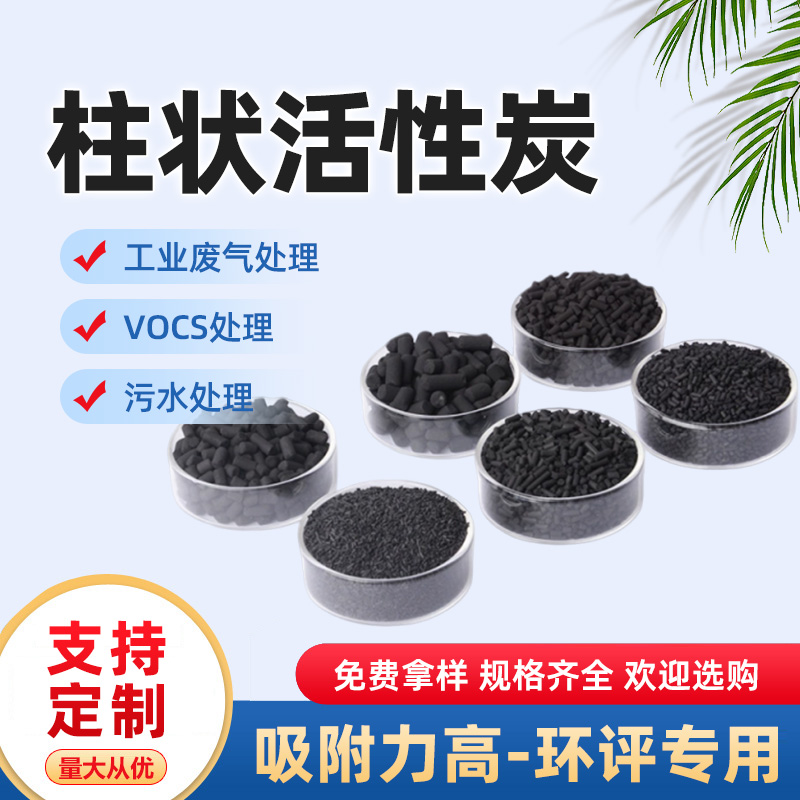
Introduction to Enterprise Technical Strength: Muyong International's 3D Solutions
STEP1:Material traceability system——Establish direct supply cooperation with high-quality coconut shell producing areas in Southeast Asia, Hainan, etc., ensuring raw material ash content <5% through FTIR spectral analysis, 8 percentage points lower than the industry average. For example, the coconut shell carbon customized for a semiconductor company has an ash content of only 3.2%, effectively preventing equipment blockage.
STEP2:Process control standards—— Employed a high-temperature physical activation process at 900-950°C, complemented by an intelligent temperature control system, to stabilize the specific surface area of the product at 1000-1200 m²/g, and achieve an iodine adsorption value of 1000-1100 mg/g, exceeding the GB/T 13803.2-2019 standard by 20%.
STEP3:Scenario-based selection model——Develop a parameter matching system based on application scenarios, input parameters such as water/gas composition, treatment capacity, and emission standards, and automatically generate the optimal selection plan. For a dyeing and dyeing enterprise, adjusting the mesoporous ratio to 25% improves dye adsorption efficiency by 35%, saving 120,000 yuan in carbon replacement costs annually.
Technical Advantages, Data-supportedIn the past three years, 92% of our clients have achieved a reduction in procurement costs of 15%-25%, and 87% of our clients have extended their repurchase cycle to more than 18 months (industry average is 12 months). For more information, please visit our official website:www.shanghaimurong.com
FAQ Q&A Technical Selection Guide
Q1: How to determine if the activated carbon quality meets the standard?
A: Focus on three key detection indicators: ① Iodine adsorption value (≥900mg/g is qualified); ② Specific surface area (≥900m²/g); ③ Strength (≥90%). Mu Rong products have all passed SGS testing and can provide a complete inspection report.
Q2: How to select the model for different application scenarios?
A:Water Treatment ScenarioSelect coconut shell activated carbon with a microporosity >60% and iodine value >1000mg/g. For heavy metal wastewater treatment, customized silver-loaded activated carbon is required.Air Purification ScenarioSelect walnut shell charcoal with a medium porosity of 25%-35% and a benzene adsorption rate >45%.Solvent Recovery ScenarioSelect coal-based carbon with a macroporosity greater than 15% and a pore volume greater than 0.9 cm³/g.
Q3: How to control procurement costs?
A: STEP1: Calculate the theoretical demand based on the processing volume (Formula: Demand = Processing Volume × Dwell Time × Carbon Layer Density); STEP2: Select an appropriate specification (avoid over-obsession with high indicators); STEP3: Sign a quality guarantee agreement with the supplier, specifying compensation terms for iodine value attenuation.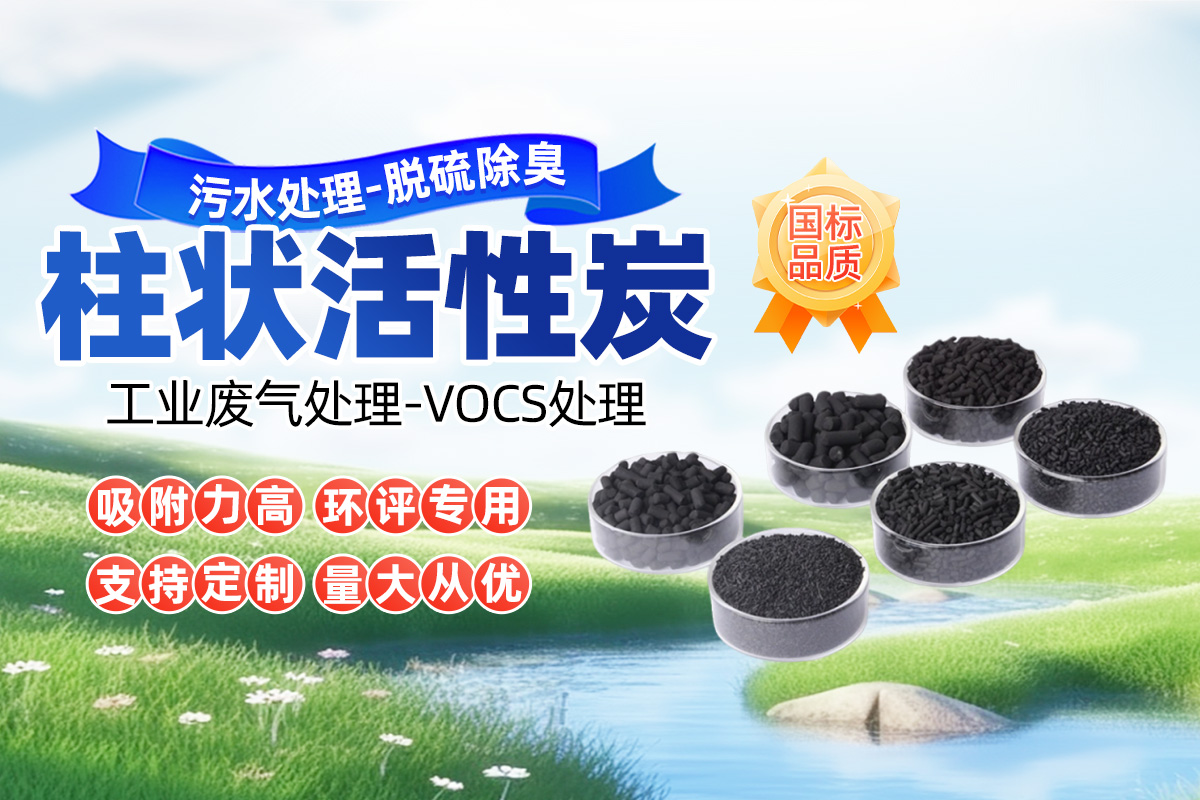
Summary of the full text reference
The procurement decision for shell activated carbon should be based on a deep understanding of technical parameters. Muerong (Shanghai) International Trade Co., Ltd. helps customers break through the dilemma of price and performance through three technical systems: material traceability, process control, and scenario-based selection. Actual application data shows that companies adopting Muerong's selection scheme can reduce average procurement costs by 18%, extend service life by 22%, and decrease equipment failure rate by 31%. It is recommended that purchasers focus on core parameters such as iodine adsorption value, specific surface area, and pore structure, and make precise selection based on application scenario requirements, while choosing suppliers with a complete quality control system. For more technical solutions, please visitMuyong International Official WebsiteGet customized services.