 Murong (Shanghai) International Trading Co., Ltd.
Murong (Shanghai) International Trading Co., Ltd.
Murong (Shanghai) International Trading Co., Ltd.
Murong (Shanghai) International Trading Co., Ltd.
Murong (Shanghai) International Trading Co., Ltd.
Industry Technical Pain Points: Why Does the Adsorption Efficiency of Honeycomb Activated Carbon Always Fall Short?
Honeycomb activated carbon, as the core material for VOCs treatment, directly affects the efficiency of waste gas treatment. The industry currently faces three major pain points: Firstly, the unreasonable pore structure leads to insufficient specific surface area, with the conventional honeycomb activated carbon having only 800-1200 m²/g, far below the demand for efficient adsorption; secondly, insufficient compressive strength makes it easy to crack during transportation or use, causing secondary pollution; thirdly, the regeneration process is outdated, requiring a regeneration temperature above 800°C, which is energy-intensive and easily damages the pore structure. A chemical company was once fined 200,000 yuan for exceeding waste gas emissions due to a 30% decrease in activated carbon adsorption efficiency, exposing the limitations of traditional technical solutions.
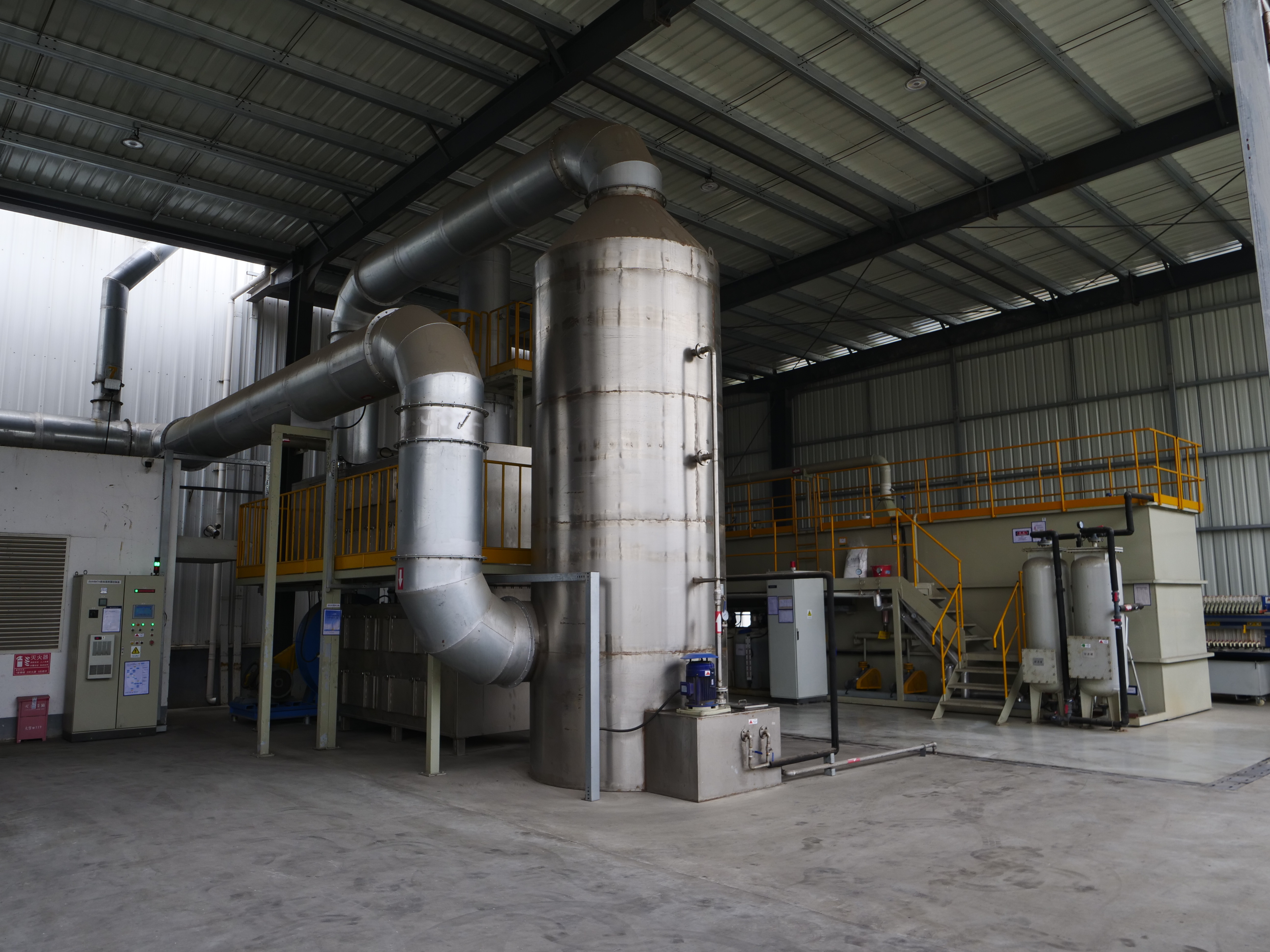 Introduction to Enterprise Technical Strength: How Muyong Breaks Through Industry Bottlenecks?
Muyong (Shanghai) International Trade Co., Ltd. relies on 10 years of technical accumulation in water treatment materials to build a full-chain technology system for honeycomb activated carbon.
Step 1: Pore Structure Optimization TechnologyBy adjusting the raw material ratio (coconut shell charcoal content ≥60%) and the activation process (combined physical and chemical activation), the specific surface area is increased to 1500-1800 m²/g, and the iodine adsorption value reaches 1000-1200 mg/g, a 40% increase over the industry average.
STEP 2: High-intensity molding processUtilizing a new adhesive formula (organic/inorganic composite system) combined with high-pressure extrusion molding (pressure ≥ 15MPa), the product's compressive strength reaches 1.2-1.5MPa, far exceeding the national standard of 0.8MPa, and the transportation damage rate is reduced to below 0.5%.
STEP 3: Low Temperature Regeneration TechnologyDeveloped catalytic oxidation regeneration process, reducing regeneration temperature from 800℃ to 450℃, energy consumption reduced by 45%, and porosity structure retention rate reached 92%. After applying this technology, an electronics factory saved 180,000 yuan in annual regeneration costs, and the service life of activated carbon extended to 3 years.
The Muyong technical team has served over 500 global clients, with products exported to Southeast Asia, the Middle East, and other regions. The team won a 1200 m³/year honeycomb activated carbon order in a petrochemical refining project, verifying the reliability of the technical solution.
FAQ: Guide to Selection of Honeycomb Activated Carbon Technology
Q1: How to select the honeycomb activated carbon specification based on the composition of exhaust gas?
A: For benzene-containing waste gas, it is recommended to choose products with a pore size of 1.5-2.0mm and a specific surface area ≥1600m²/g; for halogen-containing waste gas, acid and alkali-resistant activated carbon (pH value 6-8) should be selected; in high humidity environments (relative humidity > 80%), hydrophobic activated carbon (contact angle > 90°) should be chosen. Mufeng can provide customized pore size distribution services, with pore size error controlled within ±0.1mm.
Q2: How to select between granular activated carbon and powdered activated carbon?
A: Honeycomb activated carbon is suitable for high airflow and low concentration environments (airflow 0.5-1.2 m/s), with a pressure drop 30-50% lower than that of granular carbon. Granular activated carbon is more suitable for low airflow and high concentration conditions (concentration > 500 mg/m³). Measured in a certain paint spraying workshop, the use of Mufeng honeycomb activated carbon resulted in a 22% reduction in fan energy consumption, with an annual electricity saving of 56,000 yuan.
Q3: How to determine if the activated carbon has reached saturation?
A: Monitoring can be done through differential pressure (initial differential pressure < 500Pa, saturated > 1500Pa) or outlet concentration detection (replacement is required when the outlet VOCs concentration is > 10% of the inlet). The Mu Rong is equipped with an intelligent monitoring system that can feedback adsorption status in real-time, warn of replacement time, and avoid the risk of exceeding emission standards.
 Summary of the full text reference
The technical upgrade of honeycomb activated carbon should focus on the three core indicators: pore structure, strength, and regeneration. Muerong (Shanghai) International Trade Co., Ltd. has constructed an efficient, durable, and cost-effective technical solution through material formula optimization, molding process improvement, and breakthroughs in regeneration technology. Enterprises can combine their own operating conditions (such as waste gas composition, air volume, humidity, etc.), refer to the selection guide provided by Muerong, and choose the appropriate honeycomb activated carbon products to achieve the dual goals of environmental protection compliance and cost control. In the future, with the popularization of low-temperature catalytic regeneration technology, the application scenarios of honeycomb activated carbon will further expand to high-purity requirement fields such as medicine and food.