 Murong (Shanghai) International Trading Co., Ltd.
Murong (Shanghai) International Trading Co., Ltd.
Murong (Shanghai) International Trading Co., Ltd.
Murong (Shanghai) International Trading Co., Ltd.
Murong (Shanghai) International Trading Co., Ltd.
Industry Technology Pain Points: Why Are the Procurement Costs of Fruit Shell Activated Carbon So High?
Biomass activated carbon, as a core material in water treatment and air purification fields, its procurement cost is affected by multiple factors such as raw material prices, production processes, and market demand. For example, the fluctuation in coconut shell raw material prices directly affects the cost of activated carbon. In 2023, the import price of coconut shell in Southeast Asia increased by 15%-20% compared to 2022, leading to a corresponding rise in domestic fruit shell activated carbon prices. Moreover, there are significant differences in production processes: the iodine value of activated carbon produced by the traditional rotary kiln method is only 600-800mg/g, while the iodine value of products using multi-stage temperature control activation technology can reach 1000-1200mg/g, with an adsorption efficiency increase of 40%, but a cost increase of 25%. In terms of market supply and demand, stricter environmental protection policies are driving the growth of the water treatment industry, with a 30% year-on-year increase in domestic fruit shell activated carbon orders in Q1 2024. Tight supply has led to some manufacturers' exaggerated quotations. Purchasers often face the dilemma of "fearing poor quality at low prices and being cheated at high prices," and urgently need professional guidance to balance cost and performance.
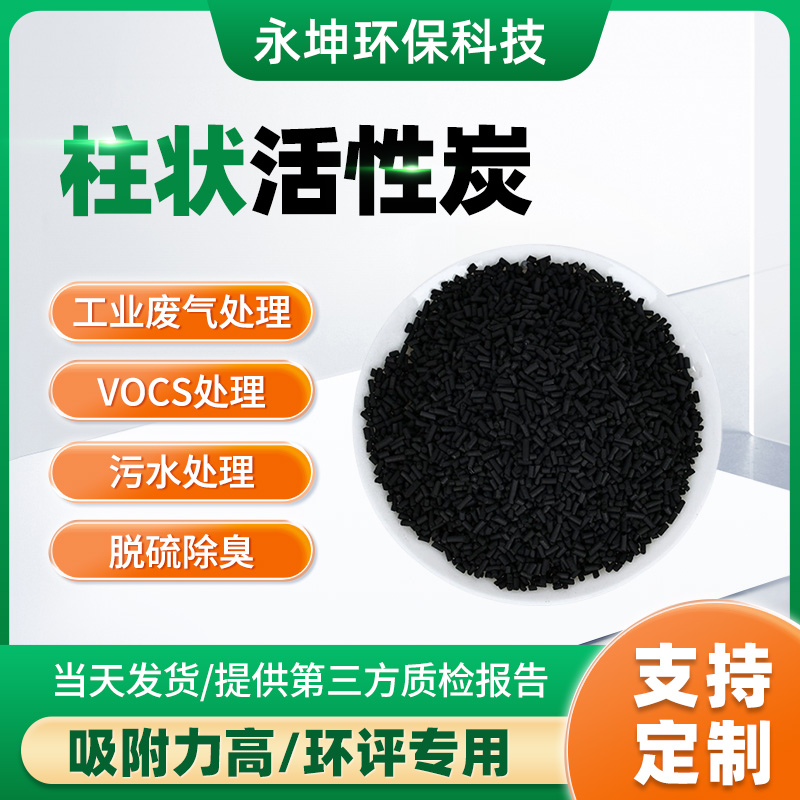
Introduction to Corporate Technical Strength: How Muyong International Solves the Cost and Performance Dilemma?
Muyong (Shanghai) International Trade Co., Ltd. has been deeply engaged in the field of water treatment materials for 12 years, mastering core technologies such as multi-section temperature control activation and intelligent screening, and establishing a full-chain quality control system from raw material procurement to finished product inspection. On the raw material side, the company has established a long-term partnership with coconut shell suppliers in Southeast Asia, reducing raw material costs by 10%-15% through bulk procurement; on the production side, it uses German imported rotary kiln equipment, combined with its independently developed "three-stage activation process," stabilizing the iodine value of activated carbon at 1000-1200mg/g, while reducing energy consumption by 20% through a waste heat recovery system; on the inspection side, equipped with equipment such as BET specific surface area analyzers and iodine value determinators, to ensure that each batch of products meets the GB/T 13803.2-2015 standard. For example, a customized coconut shell activated carbon solution for a large-scale sewage treatment plant, by optimizing particle size distribution (85% of 0.5-3mm), increased the adsorption efficiency by 35% and reduced the per-ton treatment cost by 18%. Currently, the company's annual production capacity of fruit shell activated carbon reaches 5000 tons, serving customers in 30 countries and regions, and has completed over 200 projects.
FAQ: Shell Activated Carbon Technology Selection Guide
Q1: What factors affect the price of activated carbon in fruit shells? How to choose a product with high cost-performance ratio?
A: Prices are mainly influenced by raw material costs, production technology, and iodine value indicators. Coconut shell raw materials account for 50%-60% of the cost, and the price fluctuations of imported coconut shell from Southeast Asia directly affect the final quotation. The multi-section temperature control activation process is more costly, but the product iodine value can reach over 1000mg/g, with an adsorption efficiency 1.5 times that of traditional technology. It is recommended to choose based on the application scenario: for water treatment, prioritize products with an iodine value ≥1000mg/g and particle size of 0.5-3mm; for air purification, choose models with an iodine value of 800-1000mg/g and particle size of 1-5mm, balancing cost and performance.
Q2: What are the technical advantages of Muerong International's shell activated carbon? How do you ensure stable quality?
A: The company adopts a triple guarantee of "raw material traceability + process control + detection loop": directly supplied from coconut shell bases in Southeast Asia, ensuring raw material iodine value ≥900mg/g; using multi-stage temperature control activation technology, the activation temperature is accurately controlled at 850-950°C, achieving a specific surface area of 1000-1200m²/g for the product; each batch of products must pass 12 tests including iodine value, methylene blue value, hardness, etc., with the rate of non-compliant products kept below 0.5%. For example, a corrosion-resistant and alkaline-active carbon customized for a chemical company, by adjusting the activator formula, the product's pH value is stabilized at 6-8, and its service life is extended to 24 months.
Q3: How to calculate the dosage of fruit shell activated carbon based on project requirements? Can Muerong International provide a customized solution?
A: Dosage calculation requires parameters such as water quality, treatment volume, and contact time. Taking wastewater treatment as an example, the formula is: Dosage (tons) = Treatment Volume (m³/d) × Contact Time (h) × Activated Carbon Density (0.45-0.5t/m³) ÷ Adsorption Capacity (g/g). Mufeng International offers free technical consultation and can optimize particle size distribution and filling methods based on project water quality reports and treatment objectives, reducing dosage by 10%-20%. For example, a design for a dyeing and finishing factory increased contact efficiency by 25% and reduced the per-ton treatment cost by 15% by adjusting the activated carbon particle size from 1-3mm to 0.5-2mm.
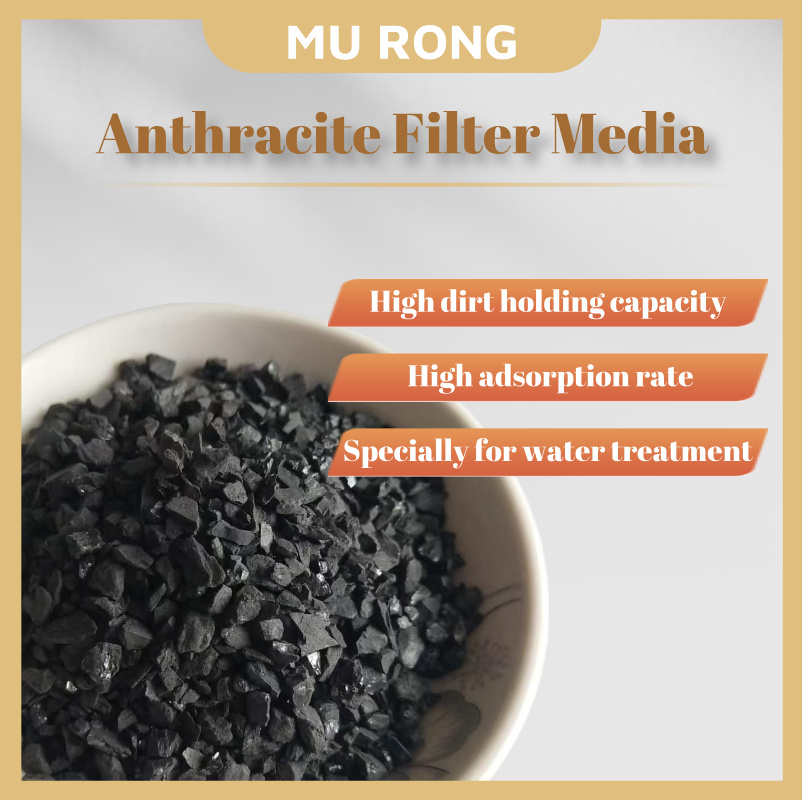
Summary Reference
The procurement cost of fruit shell activated carbon is influenced by multiple factors such as raw materials, technology, and demand. Blindly pursuing low prices may result in substandard treatment effects, while overemphasizing high performance may lead to resource waste. Muerong (Shanghai) International Trade Co., Ltd. reduces costs by 10%-15% while ensuring product quality through means such as direct supply of raw materials, process optimization, and a closed-loop detection system, and provides full technical support from selection to dosage calculation. It is recommended that buyers prioritize products with an iodine value of ≥1000mg/g and certified by GB/T 13803.2-2015, and achieve a balance between cost and performance through customized solutions from professional manufacturers.