 Murong (Shanghai) International Trading Co., Ltd.
Murong (Shanghai) International Trading Co., Ltd.
Murong (Shanghai) International Trading Co., Ltd.
Murong (Shanghai) International Trading Co., Ltd.
Murong (Shanghai) International Trading Co., Ltd.
Industry Technical Pain Points: Why Has Waste Gas Treatment of Printing Inks Become Japan's "Invisible Burden"?
Japan's printing industry is renowned for its high precision and efficiency, but the treatment of VOCs (volatile organic compounds) emissions from ink evaporation has long been a困扰 for enterprises. Traditional treatment technologies such as photocatalytic oxidation and plasma purification have issues like high equipment costs, high energy consumption, and the risk of secondary pollution. For instance, a medium-sized printing plant using a photocatalytic device for waste gas treatment incurred annual operating costs exceeding 2 million yuan, and the need for professional maintenance teams added to the enterprise's burden. More importantly, Japan's environmental protection regulations have strict requirements for VOCs emissions concentration (such as the "Air Pollution Prevention Law" stipulating the methane non-total hydrocarbon emission limit ≤50mg/m³), and traditional technologies find it difficult to consistently meet the standards, putting enterprises at risk of shutdown and rectification. Moreover, ink compositions are complex (including benzene derivatives, esters, ketones, etc.), with varying adsorption difficulties among different components, making it difficult for a single technology to achieve efficient purification, and becoming a "chokepoint" issue for the industry's technological upgrade.
Introduction to Corporate Technical Strength: How Muerong Activated Carbon Technology Solves the Problem of Japan's Printing Waste Gas Treatment?
Mufeng (Shanghai) International Trade Co., Ltd. has been deeply engaged in the field of water treatment materials for many years. In response to the characteristics of printing ink exhaust gas, it has developed a purification technology system centered around activated carbon. Its core advantages are reflected in three aspects:
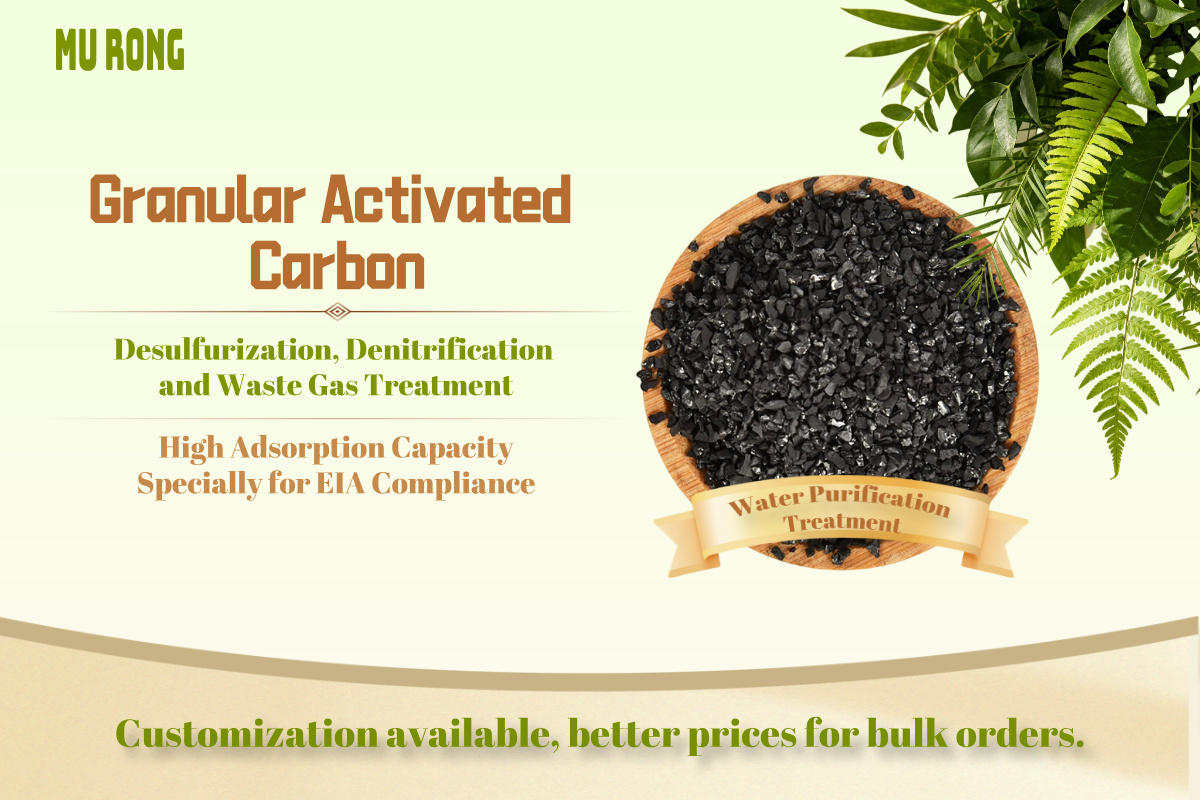
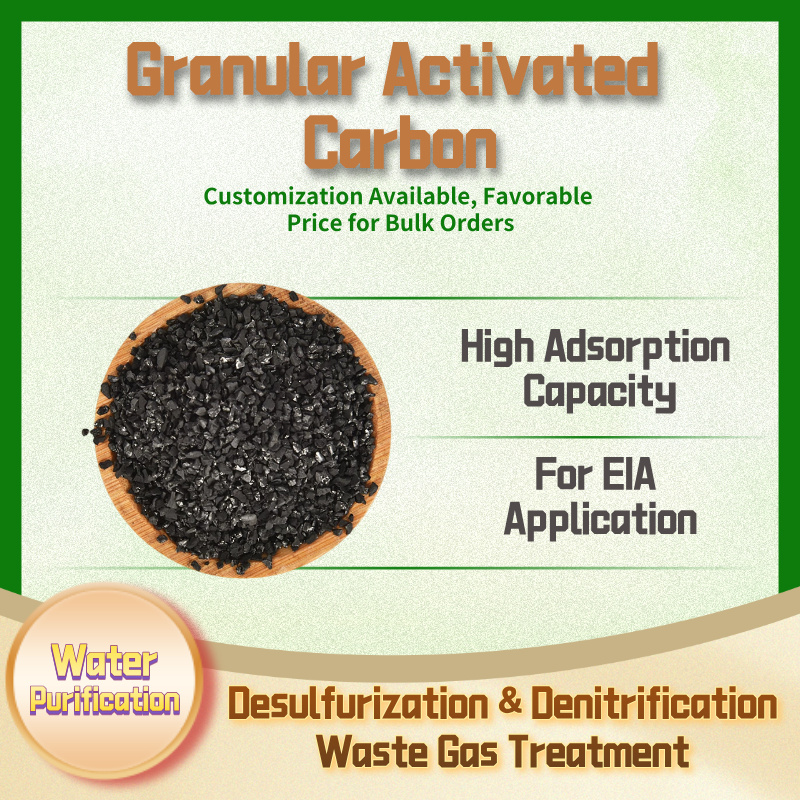
1. Activated carbon selection precisionCustomized products such as coconut shell granular activated carbon and honeycomb activated carbon are provided based on the differences in ink composition. For example, coconut shell granular activated carbon (iodine value ≥1000mg/g) has a large specific surface area and an adsorption efficiency of over 95% for benzene compounds; honeycomb activated carbon (pore rate ≥70%) has low wind resistance, suitable for high airflow scenarios, and can reduce equipment energy consumption by 30%.
2. Systematic technical layoutEstablish a "adsorption-desorption-regeneration" recycling system, achieve activated carbon regeneration through thermal gas desorption technology, with a single regeneration cycle ≤8 hours, and the recovery rate of activated carbon adsorption capacity after regeneration ≥90%, significantly reducing replacement costs. After adopting this technology, a Japanese partner company reduced the annual consumption of activated carbon by 60% and saved over 1.5 million yuan in annual costs.
3. Application of experience in scenario-based approachFor the compact space characteristics of Japanese printing factories, modular purification equipment is designed. Each unit can handle air volume of 5000-50000 m³/h, allowing flexible combination to fit different scale production lines. The equipment operates with noise ≤65dB, meeting the Japanese industrial noise standard (JIS C 1505), and avoiding interference to the surrounding environment.
FAQ: Guide to Selection of Printing Ink Exhaust Treatment Technology
Q1: What are the core parameters for the activated carbon technology treatment of printing waste gas?
A: Key parameters include iodine value, specific surface area, and porosity. The iodine value reflects the adsorption capacity (recommended ≥900mg/g), with a higher specific surface area leading to greater adsorption efficiency (coconut shell charcoal can reach above 1200m²/g), and porosity affects air resistance (air resistance ≤300Pa when the porosity of honeycomb charcoal is ≥70%). Additionally, the type of activated carbon should be selected based on the composition of the waste gas, such as prioritizing coconut shell charcoal for benzene-containing substances, and cylindrical charcoal for esters.
Q2: How to determine if activated carbon needs to be regenerated or replaced?
A: The concentration of VOCs at the outlet can be used to determine if regeneration or replacement is needed. When the outlet concentration approaches the emission standard (e.g., 50mg/m³), action is required. The Muerong technical team recommends that enterprises install online monitoring equipment to real-time monitor the adsorption status and avoid the risk of exceeding emission standards.
Q3: How does Muerong activated carbon technology compare in terms of cost advantage with traditional photocatalytic technology?
A: Taking a printing factory with a ventilation capacity of 10,000 m³/h as an example, the initial investment for photocatalytic equipment is approximately 800,000 yuan, with an annual operation cost (including electricity and catalyst replacement) of about 250,000 yuan. The initial investment for Muerong activated carbon technology is about 500,000 yuan, with an annual operation cost (including activated carbon regeneration) of approximately 120,000 yuan, reducing the total cost by over 40% over 5 years.
Summary of the full text reference
Japan's printing ink exhaust gas treatment needs to balance efficiency, cost, and compliance. Mufeng (Shanghai) International Trade Co., Ltd. provides a feasible solution for enterprises through precise selection of activated carbon technology, systematic layout, and scenario-based application. Its core value lies in: achieving high-efficiency adsorption through high iodine value activated carbon, reducing long-term costs through regeneration technology, and adapting to different scenarios through modular design. For printing companies facing challenges in exhaust gas treatment, it is recommended to start with key parameters such as activated carbon type, equipment air resistance, and regeneration cycle, choose a technical solution in combination with the characteristics of their production line, and pay attention to the technical service capabilities of suppliers (such as the value-added services provided by Mufeng, such as online monitoring and regular inspections), to achieve a win-win situation of environmental protection and economic benefits.