 Murong (Shanghai) International Trading Co., Ltd.
Murong (Shanghai) International Trading Co., Ltd.
Murong (Shanghai) International Trading Co., Ltd.
Murong (Shanghai) International Trading Co., Ltd.
Murong (Shanghai) International Trading Co., Ltd.
Industry Technical Pain Points: Core Challenges in the Application of Activated Carbon Powder
Powdered activated carbon, due to its high specific surface area and strong adsorption capacity, is widely used in drinking water purification, industrial wastewater treatment, and air purification. However, there are still three major technical pain points in practical applications: Firstly, the uneven quality of raw materials leads to unstable adsorption efficiency, for example, the iodine value difference between coconut shell carbon and coal-based carbon can reach over 300mg/g, directly affecting the treatment effect; secondly, uneven particle size distribution is prone to secondary pollution, with fine powder (<200 mesh) easily penetrating the filter layer, while coarse powder (>80 mesh) reduces contact efficiency; thirdly, the immature regeneration technology leads to high costs, with thermal regeneration energy consumption reaching 800-1200kcal/kg, and chemical regeneration may produce secondary waste liquid. A certain municipal waterworks once exceeded the residual chlorine standard due to insufficient iodine value of the activated carbon, highlighting the importance of raw material quality control.
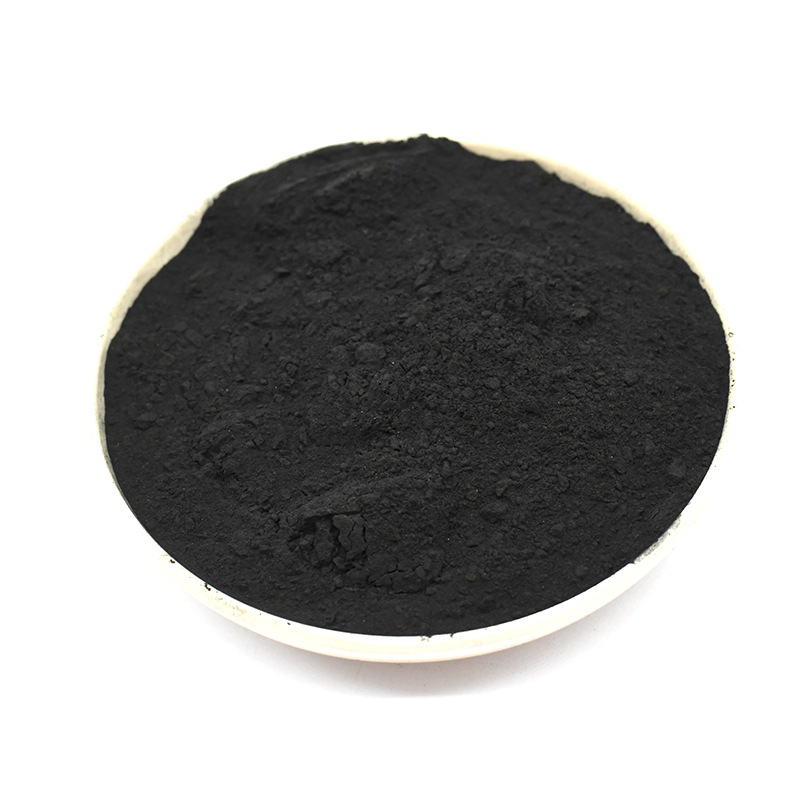
Introduction to Corporate Technical Strength: Muyong (Shanghai)'s Solutions and Professional Layout
Muyong (Shanghai) International Trade Co., Ltd. specializes in the field of water treatment materials, establishing a comprehensive technical system covering raw material selection, production monitoring, and application support. At the raw material stage, the company strictly controls the fixed carbon content of coconut shell carbon (≥85%), ash content (≤5%), and iodine value (1000-1200mg/g) to ensure stable adsorption performance; by introducing a laser particle size analyzer, the particle size D50 of powdered activated carbon is controlled at 45-55μm, D90≤100μm, effectively balancing contact efficiency and filtration performance. The production process uses low-temperature steam activation technology, with activation temperature at 850-900°C and time of 2-3 hours, preserving the pore structure while reducing energy consumption. The company has also developed a recycling and regeneration technology, which, through a pyrolysis-acid washing combined process, restores the iodine value of the regenerated carbon to over 90%, reducing the single regeneration cost by 40%. After adopting Muyong products in a certain chemical industrial park's wastewater treatment project, the COD removal rate increased from 65% to 88%, and the cost per ton of water treatment decreased by 15%.

FAQ: Technical Selection Guide for Activated Carbon Powder
Q1: How to select the type of activated carbon based on water quality?
A: Drinking water treatment preferably uses coconut shell granular activated carbon or powdered activated carbon with high iodine value (≥1000mg/g), well-developed pores, which can effectively adsorb residual chlorine, organic matter, and heavy metals. Industrial wastewater treatment requires selection based on the characteristics of pollutants, such as oily wastewater is suitable for columnar activated carbon (high wear resistance), and phenolic wastewater can choose spherical activated carbon (uniform contact); for high-concentration organic wastewater, it is recommended to pair with polyacrylamide to improve solid-liquid separation efficiency. The Mu Rong product catalog details the iodine value, methylene blue value, and pH range applicable to each model, and can provide customized selection schemes.
Q2: How to determine the dosage of powdered activated carbon?
A: The dosage needs to be optimized through beaker tests, generally following the principle of "small amounts and multiple times." Taking drinking water deodorization as an example, the initial dosage recommendation is 10-20mg/L, with a contact time of 30 minutes, adjusted according to the residual free chlorine and odor. For industrial wastewater treatment, it is necessary to combine the BOD/COD ratio; for high-concentration wastewater (COD>500mg/L), the dosage can reach 50-100mg/L. The Muerong technical support team can provide on-site testing services, determining the optimal dosage parameters through orthogonal experiments.
Q3: How significant is the performance difference between recycled carbon and primary carbon?
A: The iodine value of recycled carbon is usually 85%-95% of virgin carbon, but the mechanical strength may decrease by 10%-20%. Mufeng's recycling technology, by controlling the pyrolysis temperature (≤600℃) and acid washing concentration (5% hydrochloric acid), brings the wear rate of recycled carbon (≤8%) close to that of virgin carbon (≤5%), and the heavy metal leachate meets the GB/T 13803.2-2017 standard. For continuous operating systems, it is recommended to use a "virgin carbon + recycled carbon" mixed mode to balance cost and performance.
Technically driven, service-oriented
Technical upgrade of powdered activated carbon requires consideration of raw material quality, production process, and application scenarios. Muerong (Shanghai) International Trade Co., Ltd. provides high-value solutions for water treatment through strict quality control, innovative regeneration technology, and professional application support. From laboratory testing to on-site debugging, from standard products to customized services, the company always bases itself on technical strength and guides by customer needs, helping the industry achieve efficient and low-carbon sustainable development goals.