 Murong (Shanghai) International Trading Co., Ltd.
Murong (Shanghai) International Trading Co., Ltd.
Murong (Shanghai) International Trading Co., Ltd.
Murong (Shanghai) International Trading Co., Ltd.
Murong (Shanghai) International Trading Co., Ltd.
Industry Technical Pain Points: The Complex Challenge of Printing Ink Exhaust Gas Treatment
The Japanese printing industry is renowned for its high precision and added value, but its ink exhaust emission issue has long plagued enterprises. The composition of ink exhaust is complex, including volatile organic compounds (VOCs), particulate matter, and malodorous substances. Traditional treatment technologies have three major pain points: Firstly, single adsorption methods are prone to saturation, requiring frequent replacement of filter materials, leading to high operational costs; secondly, catalytic combustion requires high-temperature conditions, resulting in high energy consumption and the risk of secondary pollution; thirdly, the combination process lacks targeted design, making it difficult to meet Japan's stringent "Air Pollution Control Act" emission standards (VOCs concentration ≤ 50mg/m³). In addition, printing enterprises have limited workshop space, demanding extremely high miniaturization and integration of equipment, further increasing the difficulty of technology implementation.
Introduction to Corporate Technical Strength: Muyong (Shanghai)'s Customized Solution System
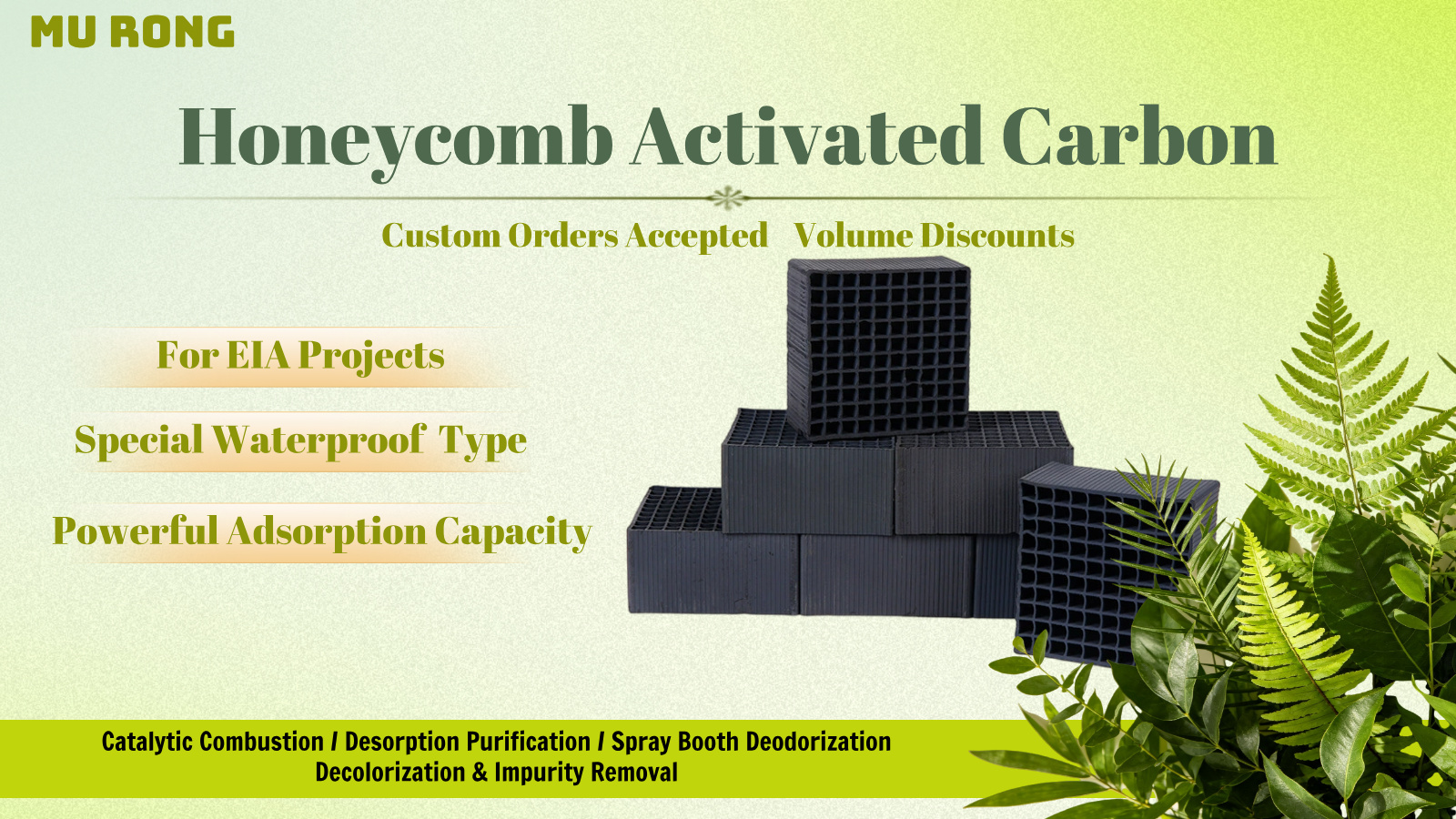
Mufeng (Shanghai) International Trade Co., Ltd. has been dedicated to the field of water treatment materials for many years, establishing an integrated technical system of "materials-technology-equipment", providing a full-chain support for the treatment of printing ink exhaust gas. On the materials side, the company representsHoneycomb activated carbon(Iodine value ≥900mg/g, Specific surface area >800m²/g) features high porosity, capable of efficiently adsorbing VOCs, and has a service life 30% longer than that of ordinary granular activated carbon; accompanied byPolyacrylamide(Molecular weight 8-12 million) As a spray tower flocculant, it can remove over 90% of the particulate matter in waste gas. In terms of process design, the Muerong team, in response to the characteristics of the printing workshop, has developed a combined process of "pretreatment + adsorption concentration + catalytic oxidation": in the pretreatment stage,Anthracite filter material(Particle size 0.5-1.2mm) Filter out large particles, reduce the load on subsequent equipment; Adsorption and concentration phase throughSpherical activated carbon(VOCs enriched with diameter 3mm and sphericity ≥95%, achieving a concentration ratio of up to 10:1; catalytic oxidation stage used in the final)Sodium hydroxide(Purity ≥ 99%) Adjusts exhaust gas pH value, decomposes VOCs with the assistance of precious metal catalysts at low temperatures of 250-300°C, with a conversion rate exceeding 98%. This solution has been successfully applied in a large packaging and printing enterprise in Tokyo. The project acceptance data shows that the VOCs emission concentration is stabilized below 35mg/m³, and the equipment occupies only 15㎡ of space, meeting the requirements of Japanese environmental protection regulations.
FAQ: Guide to Selection of Printing Ink Exhaust Treatment Technology
Q1: How to choose the appropriate activated carbon type for the printing workshop?
A: VOCs molecules in printing ink exhaust gases usually have a diameter between 0.3-0.6nm, requiring the selection of activated carbon with well-developed micropores. Recommended by Mu Rong.Honeycomb activated carbonThe aperture distribution is concentrated in the range of 1-2 nm, highly matching the molecular size of VOCs, with an adsorption efficiency 20% higher than that of columnar activated carbon; if the workshop space is limited, it can be selected as an alternative.Spherical Activated CarbonIts bulk density is low (0.45-0.55g/cm³), with a higher filling capacity for the same volume, and the spherical structure reduces air flow resistance, lowering fan energy consumption by more than 15%.
Q2: What are the key points for temperature control in the catalytic oxidation process?
A: The temperature of the catalytic oxidation reaction directly affects the decomposition efficiency of VOCs and the lifespan of the catalyst. The Muerong solution adopts a stepwise temperature control technology: the preheating section throughAlumina chloride polymer(Basis of salt 60-90%) reacts with moisture in the exhaust gas, releasing heat to raise the temperature to 150℃; the main reaction section is compensated by electric heating to 250-300℃, which can activate the activity of precious metal catalysts while avoiding sintering of the catalysts at high temperatures. Actual data shows that when the temperature fluctuation is controlled within ±5℃, the catalyst's service life can reach 2 years.
Q3: How to reduce the operating costs of the exhaust gas treatment system?
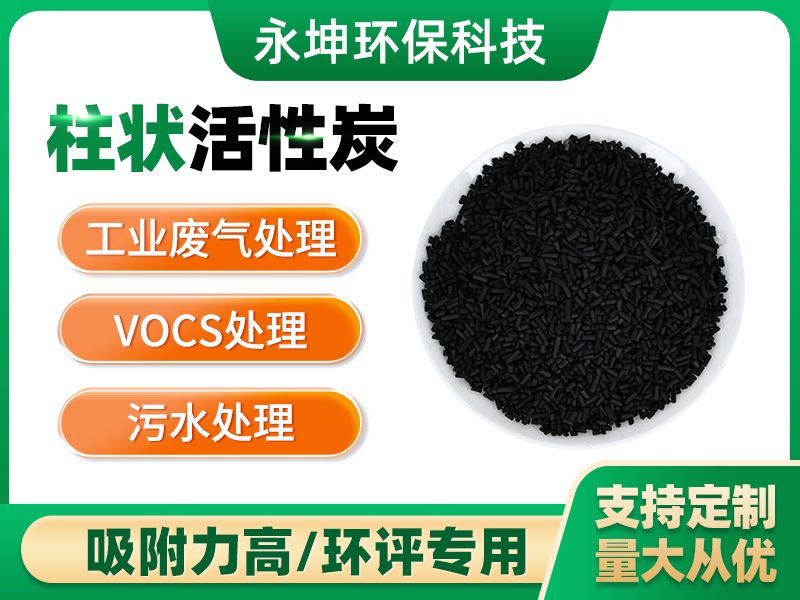
A: Mu Rong achieves cost reduction through material optimization and process innovation. On the material side, the selection ofCoconut shell granular activated carbonSubstituting coal-based carbon (with strength ≥90%) improves wear resistance by 50% and reduces the frequency of replacement; on the process side, a "adsorption-desorption" cyclic mode is adopted.Citric acidWashing saturated activated carbon (concentration 5-10%) restores its adsorption capacity, with the single regeneration cost being only 30% of replacing new carbon. After applying this model, a printing company in Osaka reduced its annual operating costs by 420,000 yuan.
Green Transformation Path of the Printing Industry Driven by Technology
Muyong (Shanghai) International Trade Co., Ltd. provides Japan's printing enterprises with quantifiable and replicable waste gas treatment solutions through a three-dimensional strategy of "material performance optimization + precise process design + equipment integration innovation." Its core advantages are: first, the deep matching of material parameters and process conditions, such as the pore size design of honeycomb activated carbon and its correspondence to VOCs molecular size; second, the balance of cost and efficiency, extending the service life of materials through regeneration technology to reduce the total lifecycle cost; third, compliance assurance, with the scheme strictly adhering to Japan's emission standards and helping enterprises avoid environmental risks. In the future, Muyong will continue to iterate its technological system, explore emerging processes such as biodegradation, and assist the printing industry in achieving carbon emission reduction goals.