 Murong (Shanghai) International Trading Co., Ltd.
Murong (Shanghai) International Trading Co., Ltd.
Murong (Shanghai) International Trading Co., Ltd.
Murong (Shanghai) International Trading Co., Ltd.
Murong (Shanghai) International Trading Co., Ltd.
Technical Background and Industry Demands
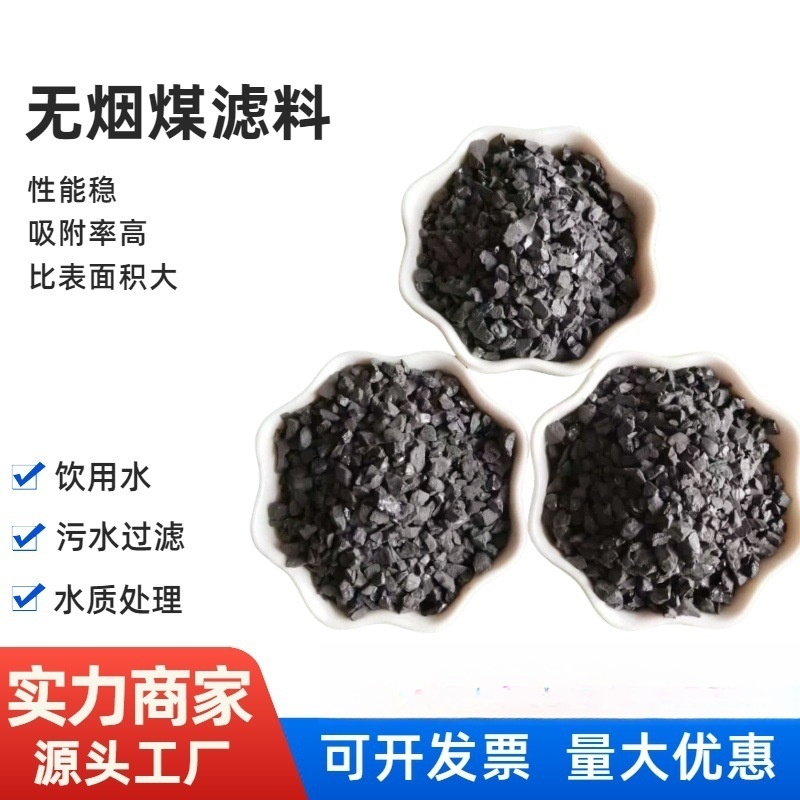
Japanese waterworks have extremely high requirements for water quality, necessitating multi-stage filtration systems to remove suspended particles, organic matter, and heavy metals. Among them, activated carbon filtration serves as the core process, relying on its high specific surface area and adsorption properties to achieve deep purification. Mufeng (Shanghai) International Trade Co., Ltd., with its technical accumulation in the field of water treatment materials, provides a variety of activated carbon products for the Japanese market, covering coconut shell granular activated carbon, columnar activated carbon, and other categories, catering to different filtration scenario requirements.
Technical Principles and Product Advantages
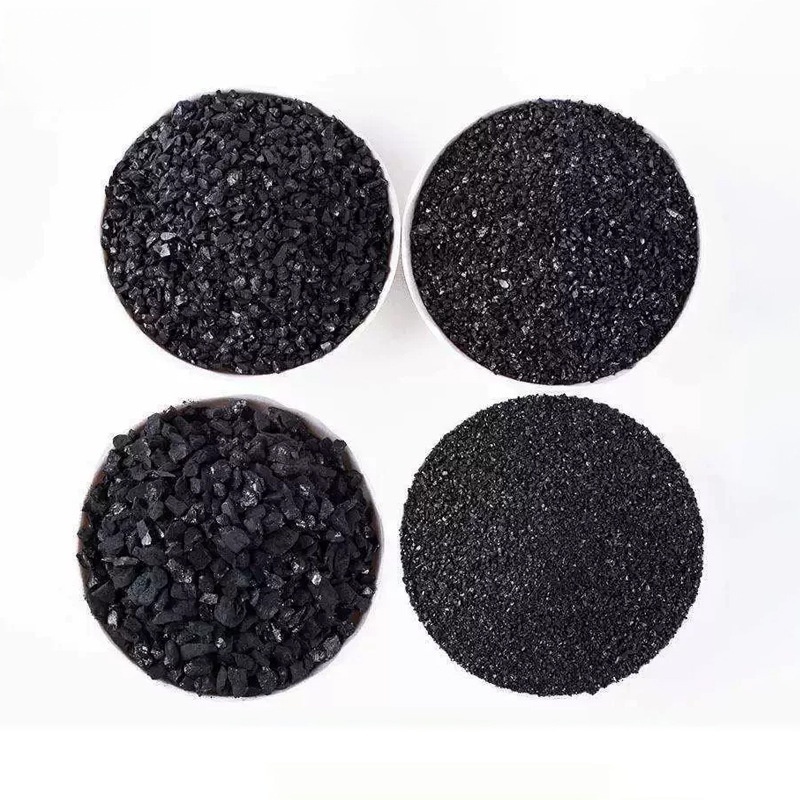
Activated carbon removes pollutants through both physical and chemical adsorption mechanisms. The coconut shell granular activated carbon provided by Mu Rong Company (specification: 0.5-3mm, iodine value ≥1000mg/g) features well-developed micropores and fast adsorption rate, capable of efficiently retaining residual chlorine, benzene compounds, and other organic substances in water; while the cylindrical activated carbon (diameter 1.5mm, strength ≥95%) benefits from high mechanical strength and good regeneration performance, making it suitable for long-term continuous operation filtration systems. Both products have passed the ISO 9001 quality management system certification, ensuring stable and compliant technical parameters.
Japan Waterworks Application Case
In 2023, Mufeng Company provided a customized activated carbon solution for a large water plant in the Kansai region of Japan. The project adopted a three-stage filtration process of "quartz sand + coconut shell granular activated carbon + columnar activated carbon," with an activated carbon layer thickness of 1.2 meters and empty bed contact time (EBCT) controlled at 10 minutes. Operating data show that the turbidity of the effluent decreased from 0.5 NTU to below 0.1 NTU, with a COD (chemical oxygen demand) removal rate of 85%, significantly exceeding the requirements of Japan's Waterworks Law. Throughout the project period, the Mufeng team provided full technical guidance, including optimization of backwashing frequency (once every 24 hours, flow rate of 30m/h) and setting of differential pressure monitoring thresholds (≤0.05MPa), ensuring stable operation of the system.
Technical Experience Summary and Industry Insights
The successful practices of MuRong Company demonstrate that the selection of activated carbon technology should be combined with the characteristics of water source quality (such as organic matter content, pH value) and the requirements of the filtration process. For example, for high turbidity water sources, it is advisable to prioritize columnar activated carbon to reduce pressure drop, while for slightly polluted water sources, activated carbon granules with a higher iodine value, such as coconut shell granular activated carbon, are needed to enhance adsorption efficiency. Additionally, regular regeneration treatment (steam activation method, temperature 800-900℃) can extend the service life of activated carbon and reduce long-term operation costs. MuRong Company, through the establishment of a global supply chain system, achieves a technical response within 48 hours, providing reliable guarantees for international waterworks projects.
FAQ: Common Technical Questions Answered
Q1: How do activated carbon filtration and ultrafiltration membrane technology work together?
Activated carbon can remove macromolecular organic matter and residual chlorine, protecting the ultrafiltration membrane from contamination; the ultrafiltration membrane then further retains bacteria and particulates, forming a complementary purification system of "adsorption + filtration."
Q2: How to determine if activated carbon needs to be replaced?
A: The replacement cycle can be determined by monitoring the effluent water quality (e.g., COD, UV254) or differential pressure change (exceeding the initial value by 50%). Muerong Company offers a free water quality testing service to assist in the judgment.
Q3: Will the performance of activated carbon decrease after regeneration?
A: Standard regeneration process can recover over 90% of adsorption performance. Mu Rong Company adopts multi-section temperature control technology to ensure the integrity of the pore structure, with a regeneration carbon iodine value attenuation rate ≤5%.