 Murong (Shanghai) International Trading Co., Ltd.
Murong (Shanghai) International Trading Co., Ltd.
Murong (Shanghai) International Trading Co., Ltd.
Murong (Shanghai) International Trading Co., Ltd.
Murong (Shanghai) International Trading Co., Ltd.
Technical Background and Industry Requirements
Industrial activated carbon, as a key adsorption material in the water treatment field, directly affects the treatment efficiency and cost. Muerong (Shanghai) International Trade Co., Ltd., with years of industry accumulation, has established a technical system covering a full range of products such as coconut shell granular activated carbon, powdered activated carbon, and cylindrical activated carbon, focusing on serving industrial wastewater treatment, air purification, and other scenarios. The company improves the adsorption capacity for organic matter and heavy metals by optimizing the pore structure and specific surface area of activated carbon, meeting the customized needs of different industrial scenarios.
Technical Parameters and Product Advantages
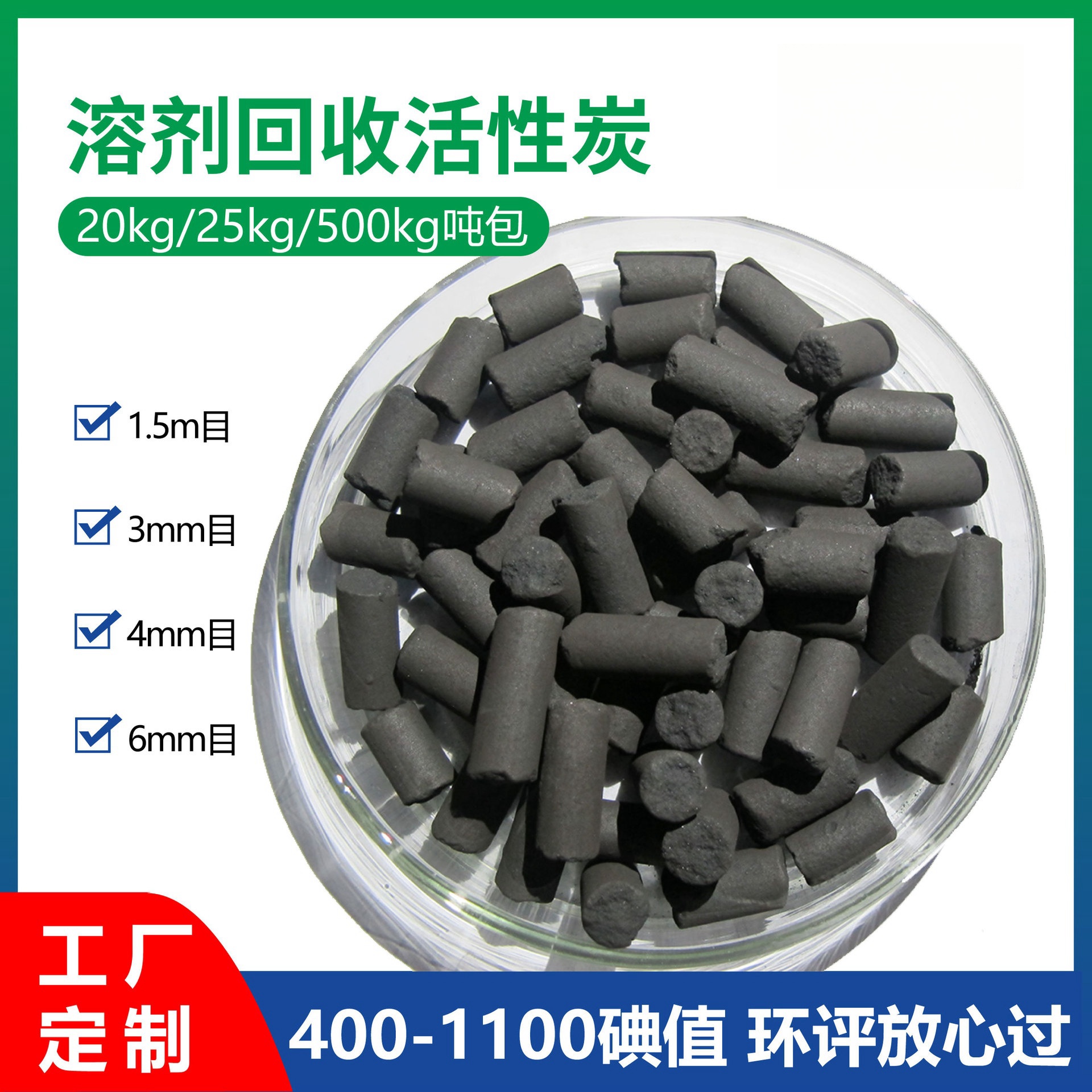
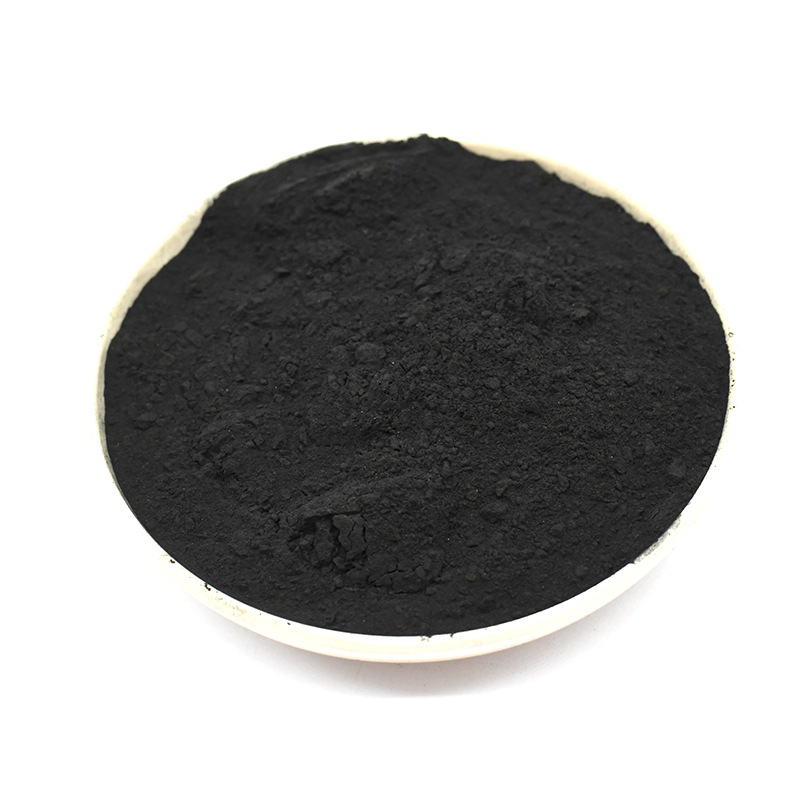
Muerong's coconut shell granular activated carbon is made from high-quality coconut shells through high-temperature activation process, with an iodine adsorption value of up to 1000-1200mg/g, a methylene blue adsorption value of ≥180mg/g, and a well-developed pore structure, suitable for treating high-concentration organic wastewater. The powdered activated carbon is produced through a fine grinding process, with particle size controlled at 200-325 mesh, a specific surface area of ≥1000m²/g, capable of rapidly adsorbing trace pollutants in water, commonly used in emergency water treatment scenarios. The cylindrical activated carbon is formed through extrusion molding, with a strength of ≥90%, suitable for fixed bed adsorption systems to reduce dust generation during operation.
Technical Layout and Application Experience
The company's technical team has established a full-process technical system of "raw material selection - process optimization - performance testing" through continuous research and development. For example, in a wastewater treatment project in a chemical industrial park, Mu Rong customized a composite adsorption program using coconut shell granular activated carbon and powdered activated carbon based on the characteristics of the wastewater composition: coconut shell granular activated carbon is used in the pretreatment stage to remove large-molecular organic matter; powdered activated carbon is used in the deep treatment stage to adsorb trace pollutants remaining. After the project was operational, the COD removal rate was increased to 92%, and the effluent water quality was stable and reached the national first-class discharge standards.
Technical Adaptation Scenarios and Selection Recommendations
The selection of industrial activated carbon should comprehensively consider factors such as pollutant types, concentrations, and treatment scales. The Muerong technical team recommends: For high-concentration organic wastewater, prioritize coconut shell granular activated carbon with an iodine adsorption value of ≥1000mg/g; for low-concentration trace pollutants, powder activated carbon with a specific surface area of ≥1000m²/g can be chosen; for fixed bed systems requiring long-term stable operation, the strength advantage of columnar activated carbon is more prominent. In addition, the company provides real-time technical consultation through an information platform to help customers quickly match the optimal product solutions.
FAQ: Common Questions on Industrial Activated Carbon Technology
Q1: How to regenerate activated carbon after adsorption saturation?
Muyong offers two regeneration solutions: thermal regeneration and chemical regeneration. Thermal regeneration is suitable for most organic adsorption scenarios, removing adsorbates through high-temperature distillation; chemical regeneration targets specific pollutants like heavy metal ions, using acid-base solutions for desorption. The adsorption performance of the regenerated activated carbon can be restored to over 85% of the new carbon.
Q2: How to determine if the activated carbon has reached adsorption saturation?
A: The water quality indicators (such as COD, color) or the change in the iodine adsorption value of activated carbon can be monitored to judge. Muerong recommends a performance test every 3-6 months. When the iodine adsorption value drops to 60% of the initial value, consider replacement or regeneration.
Q3: What are the advantages of using activated carbon and polyacrylamide together?
Polyacrylamide, as a flocculant, can rapidly sediment suspended matter in water, reduce the risk of clogging from activated carbon, and prolong its service life. Mufeng has verified in multiple projects that the combined solution can extend the replacement cycle of activated carbon by 30%, while also reducing the overall treatment cost.