 Murong (Shanghai) International Trading Co., Ltd.
Murong (Shanghai) International Trading Co., Ltd.
Murong (Shanghai) International Trading Co., Ltd.
Murong (Shanghai) International Trading Co., Ltd.
Murong (Shanghai) International Trading Co., Ltd.
I. Technical Background and Mu Rong's Technical Layout
Japan's waterworks have strict requirements for water quality, necessitating a highly efficient purification system to remove organic matter, odors, and trace pollutants. Muerong (Shanghai) International Trade Co., Ltd. has been dedicated to the international trade of water treatment materials for many years, mainly dealing in core products such as coconut shell granular activated carbon, powdered activated carbon, and columnar activated carbon. The technical team has developed activated carbon filter materials suitable for high flow rate and low pressure drop scenarios by optimizing pore structure and adsorption properties, meeting the Japanese market's high standards for water quality stability.
Section 2: Technical Parameters and Compatibility Analysis of Activated Carbon
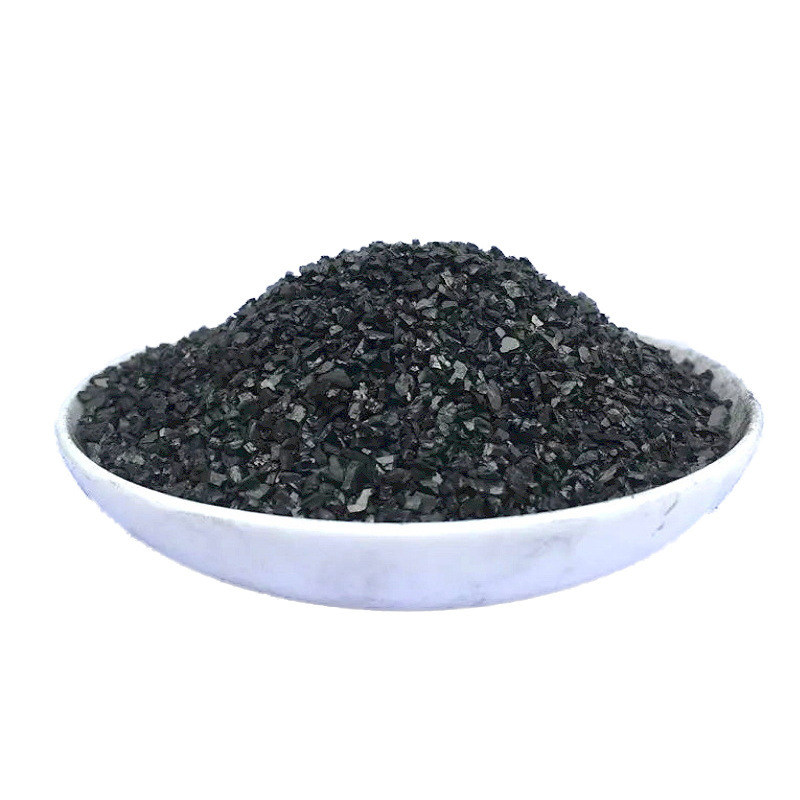
Muerong's coconut shell granular activated carbon (specification: 0.5-1.0mm) has an iodine value ≥1000mg/g, a specific surface area of up to 1200m²/g, with a pore structure dominated by micropores, and high adsorption efficiency for small molecule pollutants such as trichloromethane and pesticides; the cylindrical activated carbon (diameter 1.5-3.0mm) has a mechanical strength ≥90%, suitable for filling large-scale filter tanks, capable of withstanding water pressure of 0.3-0.6MPa, ensuring long-term operation without powdering. In response to the characteristics of algae and humic acid in the raw water of Japanese waterworks, Muerong's technical team adjusts the surface functional groups of the activated carbon to enhance its adsorption capacity for polar organic matter, achieving an effluent turbidity ≤0.5NTU and residual chlorine ≤0.1mg/L.
Section 3: Case Analysis of a Japanese Waterworks Project
In 2023, MuRong provided an activated carbon replacement solution for a waterworks in the Kansai region of Japan, which has a daily treatment capacity of 100,000 tons. The original system used traditional sand filtration + ozone process, but the effluent still had an odor problem. The MuRong technical team determined a composite filter material solution using coconut shell granular activated carbon and powdered activated carbon (ratio 3:1) through laboratory pilot tests, with a filling height of 1.2 meters and empty bed contact time (EBCT) of 10 minutes. After the project implementation, the 2-MIB (geosmin) concentration in the effluent dropped from 15ng/L to below 2ng/L, sensory indicators significantly improved, the filter material replacement cycle was extended to 18 months, and the operating costs were reduced by about 25%.
4. MuRong's Technical Advantages and Service Model
Mufeng drives its business with a "technology + supply chain" dual-track model, offering clients a full-process service ranging from filter material selection, system design, to operation and maintenance support. Equipped with devices such as BET specific surface area meters and GC-MS gas chromatography-mass spectrometry instruments in its Shanghai laboratory, it can rapidly complete water quality testing and filter material performance evaluation. In addition, through regional warehousing centers established in cooperation with Japanese logistics companies, it ensures that activated carbon products are delivered to the project site within 48 hours, reducing downtime. Furthermore, Mufeng regularly holds technical exchange meetings, sharing global water treatment industry trends to help clients optimize process parameters.
FAQ: Common Technical Questions Answered
Q1: How often should activated carbon filter media be replaced?
A: The replacement cycle depends on the original water quality and treatment volume. Mu Rong recommends testing for residual chlorine, COD, and other indicators every 3-6 months. Replace the filter when the adsorption capacity reaches 80% to prevent secondary pollution.
Q2: How to choose the appropriate activated carbon type?
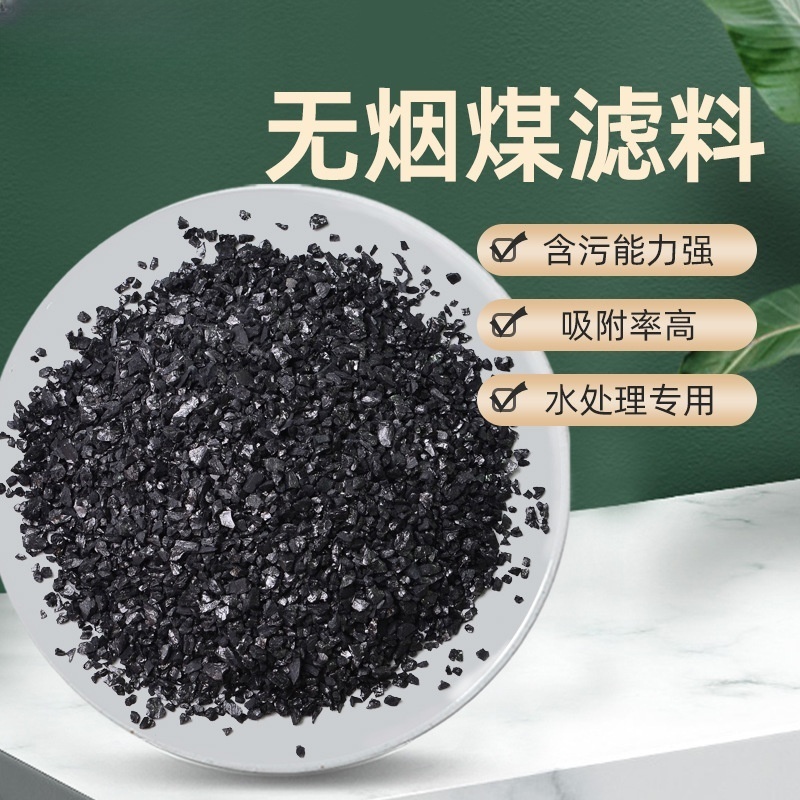
A: Consider the types of pollutants, water pressure conditions, and costs. For instance, coconut shell activated carbon has strong adsorption properties but is expensive, suitable for stringent water quality requirements; smokeless coal filter material is cost-effective and can be used in the pre-treatment stage.
Q3: Can Muerong provide customized filter material solutions?
A: Sure. The Mu Rong technical team can develop exclusive filter media based on the original water test report provided by the customer, by adjusting parameters such as activated carbon pore structure and particle size distribution, and offer small-scale trial verification services.