 Murong (Shanghai) International Trading Co., Ltd.
Murong (Shanghai) International Trading Co., Ltd.
Murong (Shanghai) International Trading Co., Ltd.
Murong (Shanghai) International Trading Co., Ltd.
Murong (Shanghai) International Trading Co., Ltd.
I. Technical Background and Industry Demand
Japan's waste gas treatment technology for spray painting rooms is an efficient purification solution developed for volatile organic compounds (VOCs) and particulate matter generated during industrial spraying processes. With increasingly stringent environmental protection regulations, how to achieve standard waste gas emissions has become a focus for enterprises. Muerong (Shanghai) International Trade Co., Ltd., with its profound accumulation in water treatment materials and in combination with advanced Japanese technology, provides customized waste gas treatment solutions for domestic enterprises.

Part Two: Technical Principles and Core Advantages
This technology employs a combined "adsorption + catalytic combustion" process, effectively adsorbing VOCs through honeycomb activated carbon (such as high-quality products with iodine value ≥800mg/g provided by MuRong Company), followed by converting organic substances into CO₂ and H₂O using low-temperature catalytic oxidation technology. Its core advantages include: 1) treatment efficiency ≥95%, meeting the "Comprehensive Emission Standard of Air Pollutants" (GB 16297-1996); 2) low operational energy consumption, with catalytic combustion temperature at only 250-300℃; 3) recyclable activated carbon reduces long-term operational costs.
III. Mu Rong Company's Technical Layout and Application Experience
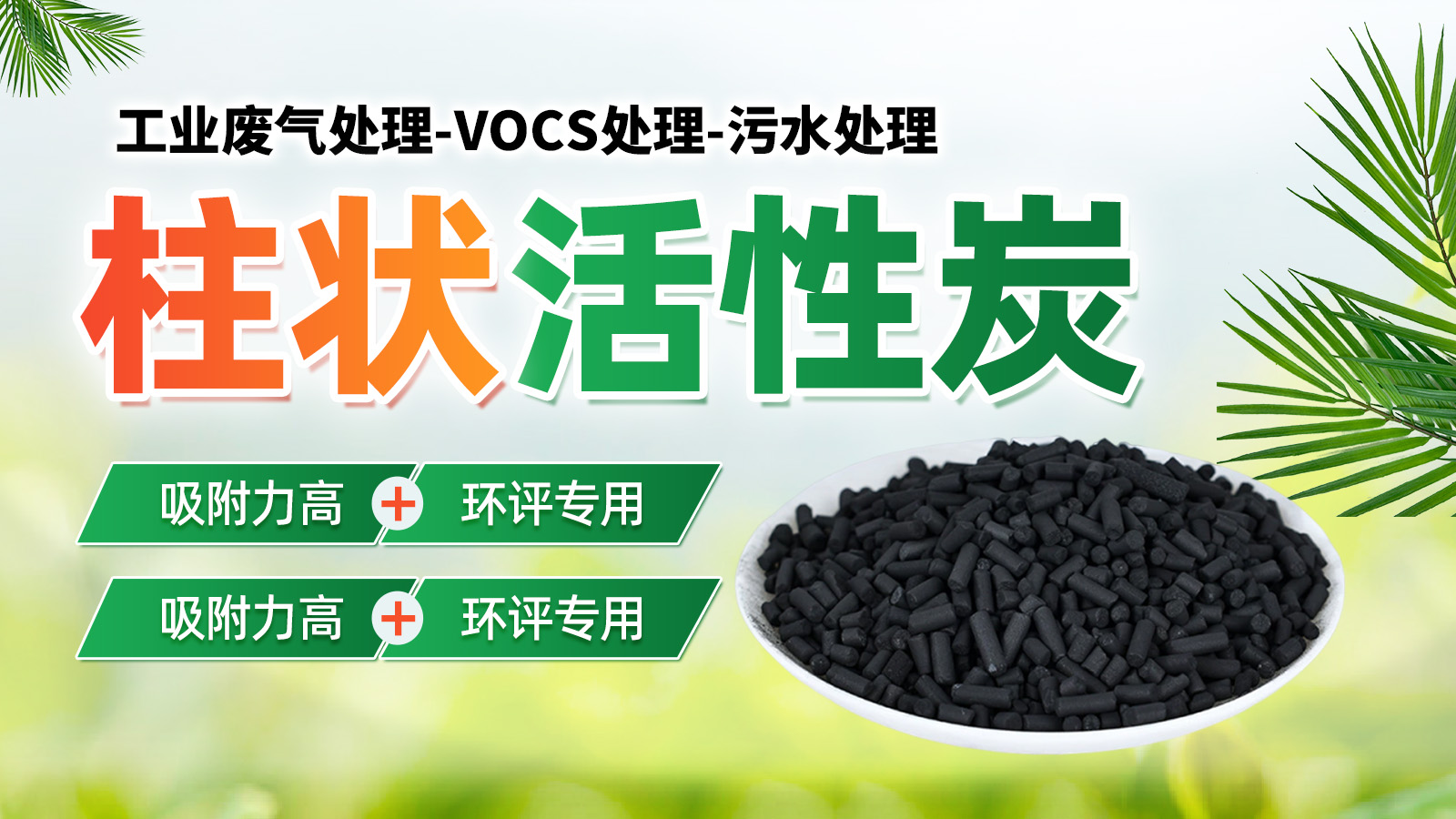
Muruong Company has been deeply involved in the international trade of water treatment materials for many years, and its main products such as coconut shell granular activated carbon and honeycomb activated carbon have shown excellent performance in Japan's paint booth waste gas treatment. For instance, after a car parts company adopted the activated carbon provided by Muruong (specification: 100×100×100mm, pore density 800 pores/in²), the concentration of benzene compounds in the waste gas dropped from 200mg/m³ to below 10mg/m³, far below the local standard limit. The company also offers a full-process service from equipment selection, activated carbon filling to operation and maintenance support, ensuring the effectiveness of technological implementation.
IV. Technical Adaptation Scenarios and Parameter Recommendations
This technology is suitable for medium and large paint spray rooms with a paint spray volume of ≥5000L/year, with a recommended air volume range of 5000-50000m³/h. Key parameters include: 1) Activated carbon filling amount: Generally, 0.5m³ of activated carbon is required for every 1000mg/m³ of benzene compounds, calculated based on the exhaust gas concentration; 2) Catalytic combustion temperature: It should be strictly controlled between 250-300°C to avoid catalyst deactivation due to high temperature; 3) Regeneration cycle: It is recommended to regenerate the activated carbon every 3-6 months, with specific adjustments based on actual operating conditions.
Five: Frequently Asked Questions (FAQ)
Q1: How to handle activated carbon after adsorption saturation?
A: Mu Rong Company offers two solutions: 1. Offline regeneration (through high-temperature steam desorption to restore the adsorption capacity of activated carbon); 2. Direct replacement with new carbon, where old carbon can be handled by professional agencies to prevent secondary pollution.
Q2: Will catalytic combustion produce secondary pollution?
A: No. This technology utilizes precious metal catalysts (such as platinum and palladium) to completely oxidize VOCs at low temperatures, resulting in only CO₂ and H₂O as products, without the generation of any other harmful substances.
Q3: How to control the equipment operation cost?
A: By optimizing the amount of activated carbon filling, using energy-saving fans, and incorporating heat recovery systems, over 30% of energy consumption can be reduced. Mu Rong Co., Ltd. can also provide waste heat utilization solutions tailored to the enterprise's needs, further saving costs.
VI. Technological Outlook and Continuous Innovation of MuRong Company
As the "double carbon" goal advances, Mu Rong Company is developing a new generation of low-energy consumption waste gas treatment technology, such as a composite process integrating photocatalytic oxidation with biological filters, which is expected to reduce operating costs by another 20%. The company will also strengthen cooperation with Japanese technology partners, introduce AI monitoring systems, and achieve real-time optimization and intelligent management of the waste gas treatment process.