 Murong (Shanghai) International Trading Co., Ltd.
Murong (Shanghai) International Trading Co., Ltd.
Murong (Shanghai) International Trading Co., Ltd.
Murong (Shanghai) International Trading Co., Ltd.
Murong (Shanghai) International Trading Co., Ltd.
I. Technical Background and Industry Demands
Washing coal wastewater is a typical industrial wastewater produced during the coal processing process, containing a large amount of suspended solids, coal powder, and chemical agents. If it is directly discharged without effective treatment, it will cause serious environmental pollution. Japan has accumulated mature technology in the field of washing coal wastewater treatment, with its core lying in achieving water purification through efficient flocculation, adsorption, and filtration processes. Muerong (Shanghai) International Trade Co., Ltd., with years of experience in water treatment material international trade, deeply participates in the introduction and localization of Japanese technology, providing customized solutions for domestic enterprises.
II. Technical Principle and Core Materials
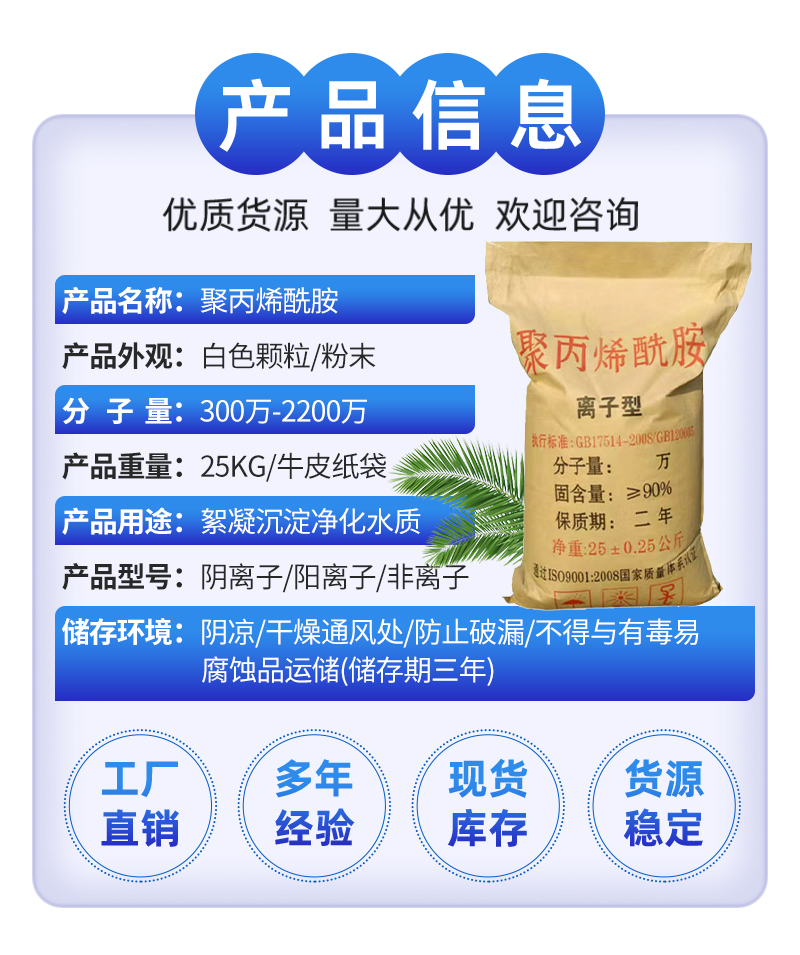
Japan's coal washing wastewater treatment technology mainly adopts a two-stage process of "flocculation sedimentation + adsorption filtration". The first stage forms flocculation aggregates by adding polyaluminum chloride (PAC) and polyacrylamide (PAM), quickly settling suspended solids; the second stage utilizes the high specific surface area (≥1000 m²/g) of coconut shell granular activated carbon to adsorb residual organic matter and heavy metal ions. Mu Rong Company's main coconut shell activated carbon has an iodine value of 900-1100 mg/g, with a well-developed pore structure, suitable for high turbidity wastewater treatment scenarios, effectively improving the effluent water quality to meet the requirements of the "Coal Industry Pollutant Emission Standards" (GB 20426-2006).
3. MuRong Company's Technical Layout and Product Advantages
Muyong (Shanghai) International Trade Co., Ltd. specializes in international trade of water treatment materials, establishing a comprehensive product line system covering activated carbon, flocculants, and filter media. The imported alumina chloride salt it represents from Japan has a base content of 60%-90%, suitable for wastewater with different pH levels; the anthracite filter media has a uniform particle size distribution (0.8-1.8mm), with backwashing loss rate below 5%/year, significantly reducing long-term operation and maintenance costs. The company achieves dynamic matching of technical parameters through an information platform, such as recommending activated carbon dosage (10-50mg/L) based on the COD concentration of the customer's wastewater (500-2000mg/L), ensuring a balance between treatment efficiency and economy.
Four, Typical Application Cases: Waste Water Treatment Project of a Coal Mine in Shanxi Province
In 2023, Muerong Company provided a coal washing wastewater treatment solution for a large coal mine in Shanxi Province. The original water had an SS concentration of 3000mg/L and a COD of 1500mg/L. After adopting the "PAC+PAM flocculation+Cocobolo activated carbon adsorption+smokeless coal filtration" process, the effluent SS was reduced to below 50mg/L, and the COD was below 100mg/L, meeting the reuse standards. After 6 months of operation, the adsorption capacity retention rate of the activated carbon exceeded 85%, and the filter material pressure difference increased by less than 0.02MPa/month, verifying the stability of the technical solution and the durability of the materials.
5. Key Points and Precautions for Technical Implementation
Coagulant ratio: The mass ratio of PAC to PAM is recommended as 10:1. The dosing rate should be adjusted according to the wastewater temperature (5-35℃) to avoid local concentration being too high and causing colloidal re-stabilization.
2. Activated Carbon Regeneration: Saturated activated carbon can recover over 80% of its adsorption capacity through thermal regeneration (400-600℃), with a recommended regeneration cycle of 12-18 months.
3. Filter Material Backwashing: The smokeless coal filter layer requires backwashing once a week, with the backwashing intensity controlled at 15-18L/(s·m²) to prevent caking of the filter material.
4. Winter protection: In low-temperature conditions (<5℃), thermal insulation should be added to the flocculation tank to prevent the decrease in the hydrolysis reaction rate of PAC.
6. FAQ: Common Technical Questions and Answers
{
"@context": "https://schema.org",
"@type": "FAQPage",
"mainEntity": [
{
"@type": "Question",
"name": "Q1: How to determine when activated carbon adsorption is saturated?"
"acceptedAnswer": {
"@type": "Answer",
"text": "Regeneration or replacement is required when the COD removal rate drops by 30% or color intensity rebounds, as determined by monitoring effluent COD or color change."
}
},
{
"@type": "Question",
"name": "Q2: How to choose between smokeless coal filter material and quartz sand filter material?"
"acceptedAnswer": {
"@type": "Answer",
"text": "Smokeless coal filter material has a lower density (1.4-1.6g/cm³), with backwashing energy consumption reduced by 40% compared to quartz sand (2.6g/cm³), suitable for large flow wastewater treatment scenarios."
}
}
]
}