 Murong (Shanghai) International Trading Co., Ltd.
Murong (Shanghai) International Trading Co., Ltd.
Murong (Shanghai) International Trading Co., Ltd.
Murong (Shanghai) International Trading Co., Ltd.
Murong (Shanghai) International Trading Co., Ltd.
Technical Background and Industry Requirements
Japanese water purification plants are renowned for their strict drinking water safety standards, with their purified water filtration systems ensuring water quality meets standards through multi-stage treatment processes. Among these, activated carbon filtration plays a crucial role as the core step, responsible for removing organic matter, residual chlorine, odors, and trace pollutants. Mufeng (Shanghai) International Trade Co., Ltd., with years of experience in international trade of water treatment materials, provides domestic water plants with activated carbon products and technical solutions that meet Japanese standards, helping to enhance filtration efficiency and water quality stability.
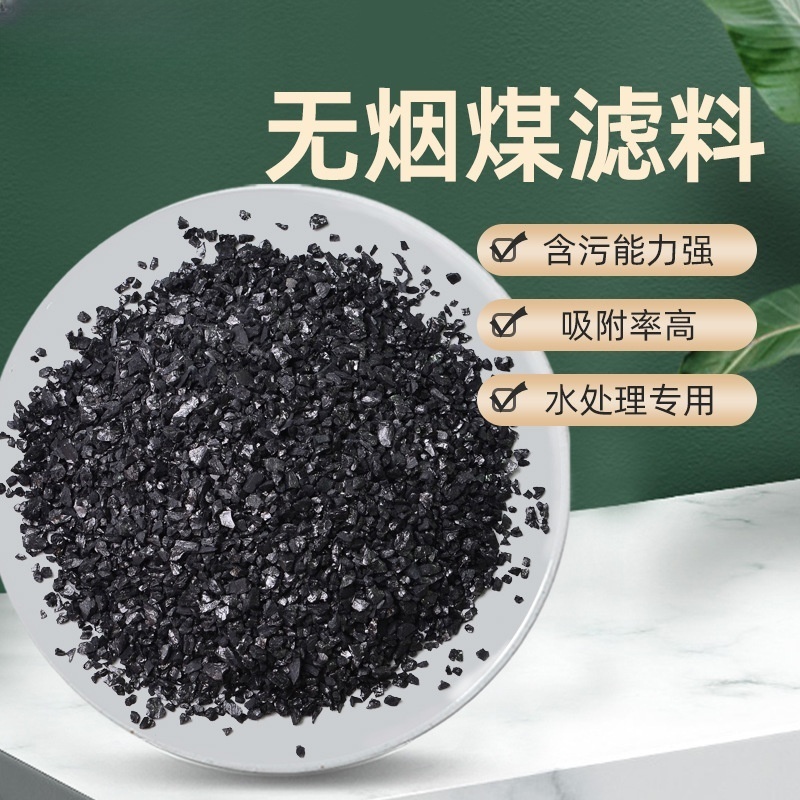
Technical Analysis: Selection and Parameter Configuration of Activated Carbon
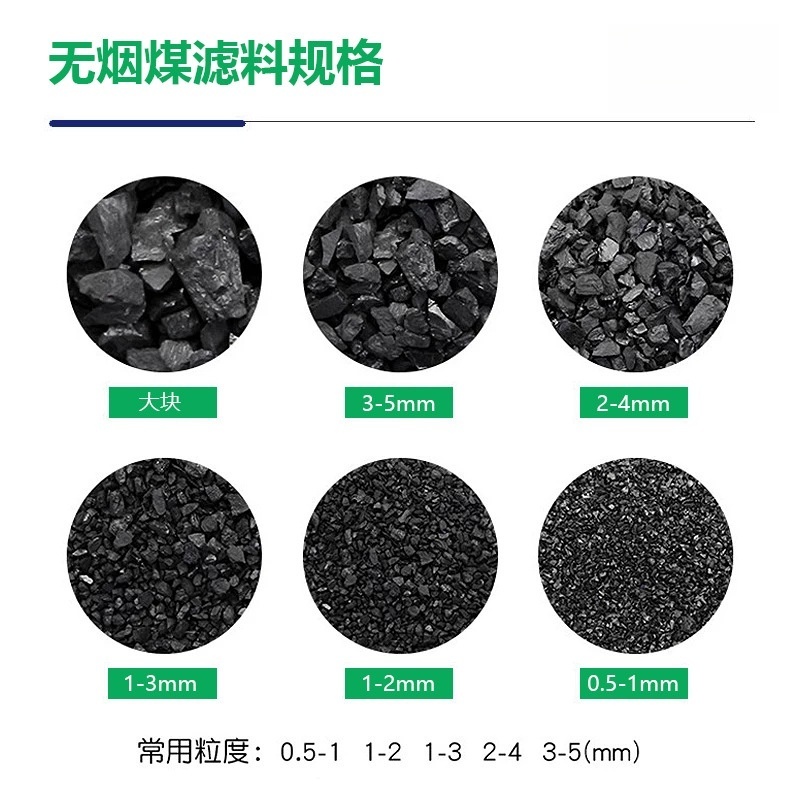
Muerong Company's main products, coconut shell granular activated carbon, cylindrical activated carbon, and honeycomb activated carbon, are commonly used as filtration materials in Japanese water purification plants. Taking the coconut shell granular activated carbon as an example, its iodine adsorption value can reach 1000-1200 mg/g, with a specific surface area exceeding 1000 m²/g, a well-developed pore structure, and effectively adsorbs organic substances with molecular weights between 500-3000 in water. The cylindrical activated carbon is suitable for high-speed filtration due to its high mechanical strength (≥90%) and good wear resistance, with particle size distribution (0.5-3mm) that can be adjusted according to the water plant's flow requirements. The honeycomb activated carbon, with its low resistance and high dust-holding capacity, performs exceptionally well in large-scale filtration equipment, with its pore density (50-300 pores/square inch) directly affecting filtration accuracy.
Practical Steps: Operation and Maintenance Management of Activated Carbon Filtration System
STEP 1: Pretreatment Check. Regularly test the turbidity of incoming water (≤5 NTU), pH value (6.5-8.5), and residual chlorine content (≤0.1 mg/L) to ensure compliance with activated carbon adsorption conditions. The Muerong team recommends that water plants install online monitoring instruments to provide real-time feedback on water quality data.
STEP2: Activated Carbon Replacement Cycle. Based on water quality fluctuations, coconut shell granular activated carbon is recommended to be replaced every 12-18 months, while cylindrical activated carbon can be extended to 24 months. Before replacement, the oxygen consumption (CODMn) and UV254 absorption value of the effluent need to be tested. When both indicators increase by 30% compared to the initial values, the replacement process should be initiated.
STEP 3: Backwashing Optimization. Utilize a combined air-water backwashing process, with air flushing intensity of 15-20L/(s·m²) and water flushing intensity of 8-12L/(s·m²). Control each backwashing time to 10-15 minutes to prevent loss or breakage of activated carbon.
Case Analysis: Technical Upgrade Practice of a Japanese Collaborating Water Plant
In 2023, Mu Rong Company provided a coconut shell granular activated carbon replacement solution for a waterworks in the Kansai region of Japan. The original system used domestically produced coal-based activated carbon, which had issues such as low adsorption capacity (iodine value of only 600mg/g) and severe powdering (fluctuating turbidity in the effluent). After the replacement, the CODMn in the effluent of the waterworks dropped from 3.2mg/L to 1.8mg/L, the chlorine residual removal rate increased to 98%, and the backwashing cycle was extended to once a week, with the annual maintenance and operation cost reduced by about 15%. The Mu Rong team established a water quality model, accurately calculated the activated carbon filling amount (0.8m³/m² filter area), and customized the particle size distribution (70% of 1.0-2.0mm), ensuring a balance between filtration efficiency and economy.
FAQ: Common Questions About Activated Carbon Filtration Technology
Q1: Can activated carbon filtration completely replace ultrafiltration or reverse osmosis?
A: Activated carbon filtration primarily removes dissolved organic matter and residual chlorine, with limited effectiveness in removing inorganic ions (such as calcium, magnesium) and small molecular pollutants (molecular weight <100). It needs to be combined with ultrafiltration or reverse osmosis for better performance.
Q2: How to determine if activated carbon has失效?
In addition to regular water quality testing, the color change of the activated carbon (from black to gray-white) or the weighing method (weight loss exceeding 10%) can be used as an auxiliary judgment.
Q3: Does Muerong Company's activated carbon products meet the Japanese waterworks standards?
All products of the company have passed JIS K1474 standard testing, with key parameters such as iodine adsorption value, hardness, and ash content exceeding the requirements of the Japanese Waterworks Association, and provide third-party certification reports from SGS, TÜV, etc.