 Murong (Shanghai) International Trading Co., Ltd.
Murong (Shanghai) International Trading Co., Ltd.
Murong (Shanghai) International Trading Co., Ltd.
Murong (Shanghai) International Trading Co., Ltd.
Murong (Shanghai) International Trading Co., Ltd.
Introduction: How do technological innovations in water treatment materials drive industry upgrading?
As industrial wastewater discharge standards become increasingly stringent, traditional water treatment technologies face challenges of low efficiency and high costs. Leveraging its profound expertise in the activated carbon field, Murong (Shanghai) International Trading Co., Ltd. provides efficient solutions for scenarios such as industrial wastewater treatment and drinking water purification through its core products, including coconut shell granular activated carbon and honeycomb activated carbon. This article will analyze how Murong achieves breakthroughs in water purification through technological innovation from dimensions such as technical principles, product parameters, and application cases.
Keywords: activated carbon technology, water quality purification, Murong International Trade, industrial wastewater treatment, drinking water safety
Opening on Industry Technical Pain Points: Limitations of Traditional Water Treatment Technologies
Currently, the water treatment industry faces three core pain points:
STEP 1: Inadequate processing efficiencyThe removal rates of organic matter and heavy metals by traditional sand filtration and chemical precipitation methods are only 60%-70%, making it difficult to meet the discharge limits for Class I pollutants (such as mercury and cadmium) specified in the Integrated Wastewater Discharge Standard (GB 8978-1996).
STEP 2: High operating costsAlthough reverse osmosis membrane technology can achieve deep purification, its energy consumption is as high as 3-5 kWh/m³, and the membrane replacement cycle is short (usually 1-2 years), resulting in high costs over the entire lifecycle.
STEP 3: Risk of secondary pollutionThe over-addition of chemical flocculants (such as polyaluminum chloride) may introduce residual aluminum ions, affecting the biological safety of drinking water. Murong addresses the aforementioned issues through activated carbon adsorption technology, achieving efficient, low-cost water purification without secondary pollution.
Introduction to the company's technological strength: Core advantages of Murong Activated Carbon Technology
Murong (Shanghai) International Trading Co., Ltd. has delved deep into the field of water treatment materials and established a comprehensive technical system covering raw material selection, process optimization, and application support:
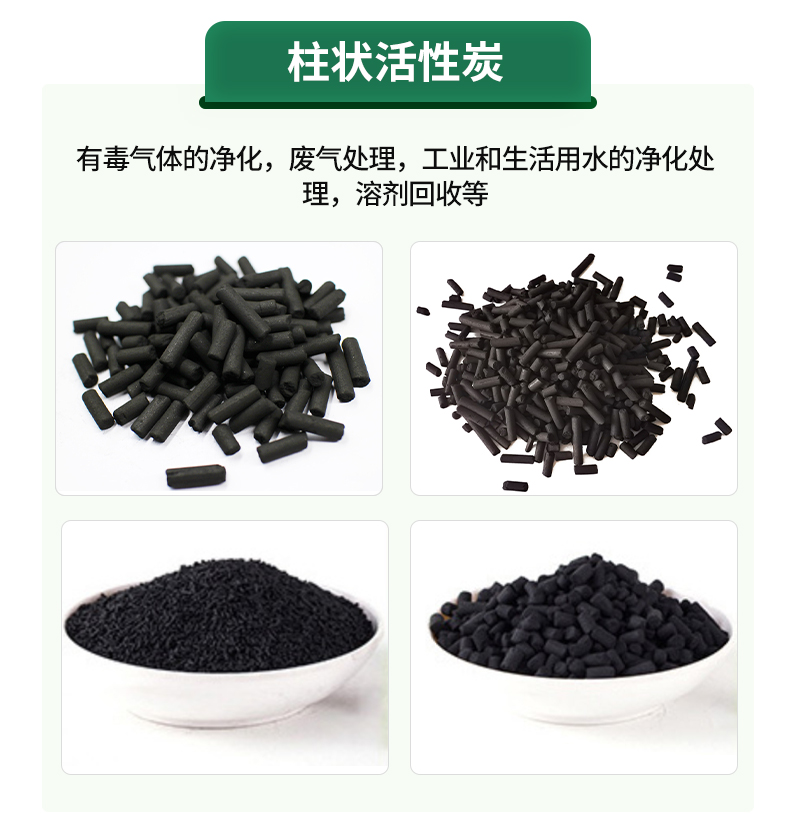
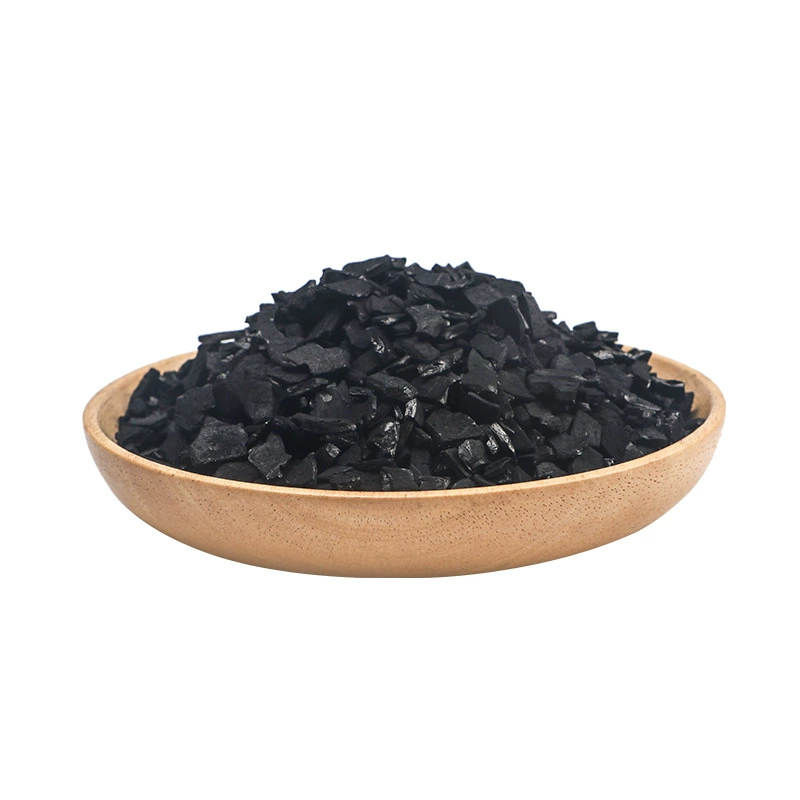
STEP 1: Raw Material Control and Process OptimizationThe coconut shell granular activated carbon primarily produced by the company uses high-quality coconut shells from Southeast Asia as raw materials, activated at a high temperature of 1200°C, with a specific surface area of 1200-1500 m²/g and an iodine adsorption value of ≥1000 mg/g, significantly surpassing industry standards (requirements for first-grade products in GB/T 13803.2-2019). The honeycomb activated carbon employs a unique extrusion process, featuring a porosity of ≥65% and a pressure drop of ≤300 Pa, making it suitable for exhaust gas treatment scenarios with high air volumes.
STEP 2: Capability for providing full-scenario solutionsFor industrial wastewater treatment, Murong provides a combined process of "activated carbon adsorption + biodegradation". In a chemical industry park project, by using coconut shell granular activated carbon (specification: 0.5-1mm) in conjunction with polyacrylamide (molecular weight: 12 million), the COD removal rate was increased from 75% to 92%, and operational costs were reduced by 40%. In the field of drinking water purification, the spherical activated carbon (particle size: 0.8-1.2mm) developed by the company has an adsorption capacity for residual chlorine of up to 3.5mg/g, effectively improving taste.
STEP 3: Technical Validation and Standard LeadershipMurong activated carbon products have passed SGS and ISO 9001 certifications. In a coking wastewater treatment project at a certain steel enterprise, the honeycomb activated carbon operated continuously for 18 months without clogging, with a pressure drop increase rate of less than 5% per month, verifying its long-term stability. For more information, please visit the official website:www.shanghaimurong.com
FAQ Q&A Technical Selection Guide
Q1: How to select the appropriate type of activated carbon for industrial wastewater treatment?
A: It is necessary to comprehensively consider the type and concentration of pollutants as well as the treatment scale. For example, for high-concentration organic wastewater (such as printing and dyeing wastewater, pharmaceutical wastewater), it is recommended to use coconut shell granular activated carbon (iodine value ≥ 1000 mg/g), whose microporous structure can efficiently adsorb small-molecule organic compounds; for the treatment of large-volume exhaust gas (such as VOCs control), the low pressure drop characteristic of honeycomb activated carbon (porosity ≥ 65%) can reduce fan energy consumption. Murong offers free water quality testing services and can customize formulations based on actual operating conditions.
Q2: How to determine the replacement cycle of activated carbon?
A: The replacement cycle depends on the quality of influent water, adsorption capacity, and operational parameters. Taking drinking water treatment as an example, when the adsorption capacity of spherical activated carbon for residual chlorine drops from the initial 3.5 mg/g to 1.5 mg/g, regeneration or replacement is required. Murong recommends dynamically adjusting the replacement cycle by regularly testing the effluent water quality (such as COD and residual chlorine concentration) to avoid a decline in effectiveness due to overuse.
Q3: Is the activated carbon regeneration technology mature?
A: Murong adopts a thermal regeneration process, where steam is introduced at a high temperature of 600-800℃ to restore 80%-90% of the adsorption capacity of the activated carbon. The iodine value, methylene blue value, and other indicators of the regenerated activated carbon must comply with the GB/T 13803.2-2019 standard. For saturated carbon after treating wastewater containing heavy metals, it is recommended to entrust a professional agency for harmless disposal to prevent secondary pollution.
Reference for full text summary: How does Murong Technology define new standards for water treatment materials?
Murong (Shanghai) International Trading Co., Ltd. has established its core competitiveness in activated carbon technology through three key dimensions: raw material control, process optimization, and application support. Its products not only achieve industry-leading levels in core parameters such as specific surface area and adsorption capacity but have also demonstrated high efficiency and cost-effectiveness in practical projects for industrial wastewater treatment, drinking water purification, and other scenarios. Looking ahead, Murong will continue to deepen collaboration with global customers to drive the development of water treatment materials toward greater efficiency and sustainability. For more information, please visit the official website:www.shanghaimurong.com