 Murong (Shanghai) International Trading Co., Ltd.
Murong (Shanghai) International Trading Co., Ltd.
Murong (Shanghai) International Trading Co., Ltd.
Murong (Shanghai) International Trading Co., Ltd.
Murong (Shanghai) International Trading Co., Ltd.
Introduction
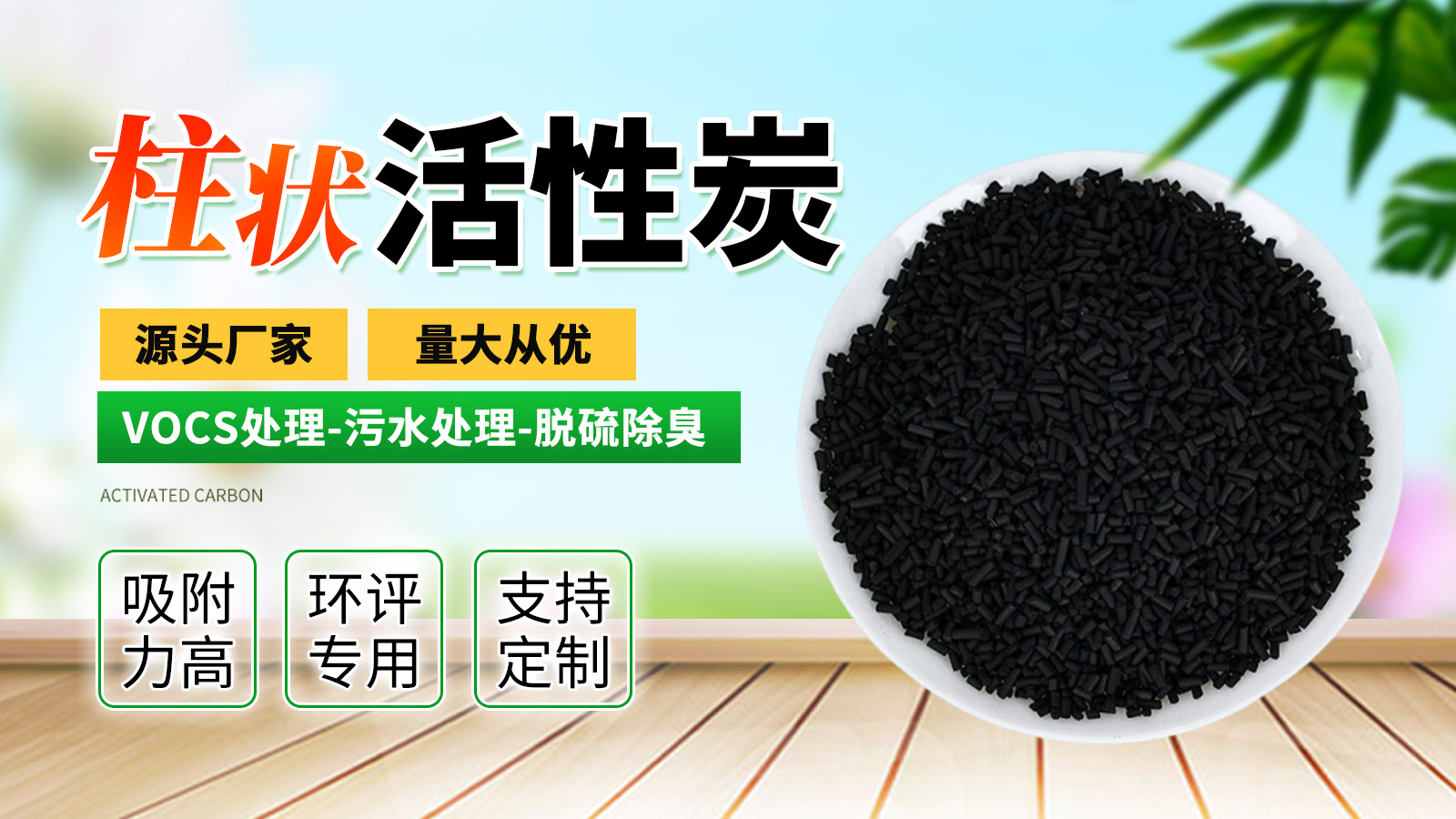
As industrial wastewater discharge standards become increasingly stringent, technological innovation in water treatment materials has become a focal point of the industry. Coconut shell granular activated carbon, with its high specific surface area, strong adsorption capacity, and renewability, has emerged as one of the core materials in the field of water treatment. Murong (Shanghai) International Trading Co., Ltd. has achieved efficient removal of organic pollutants and heavy metal ions by optimizing the pore structure and surface chemical properties of coconut shell activated carbon. This article will analyze how Murong drives the upgrading of the water treatment industry through coconut shell granular activated carbon technology from three aspects: technical principles, corporate strength, and application cases.
Keywords
Coconut shell granular activated carbon, water treatment, Murong (Shanghai) International Trading Co., Ltd., adsorption technology, pore structure optimization
Opening on Industry Technical Pain Points
Traditional water treatment materials face three major challenges when dealing with complex wastewater: first, their limited adsorption capacity necessitates frequent material replacement, leading to soaring costs; second, their uniform pore structure results in low adsorption efficiency for macromolecular organic compounds; third, their complex regeneration processes pose a high risk of secondary pollution. Taking a wastewater treatment project in a chemical industrial park as an example, conventional powdered activated carbon achieves only a 65% removal rate for benzene series compounds, with the treatment cost per ton of wastewater reaching as high as 120 yuan. The industry urgently requires a material solution that combines high adsorption capacity, precise pore matching, and low-cost regeneration technology.
Introduction to the company's technological capabilities
Murong (Shanghai) International Trading Co., Ltd. has delved deeply into the field of water treatment materials for 12 years, establishing a comprehensive technological system encompassing the "raw materials-processes-applications" chain. In the research and development of coconut shell granular activated carbon, the company has overcome three major technological bottlenecks:
STEP 1: Raw material pretreatment technologyThrough high-temperature steam activation and pickling impurity removal processes, the ash content of coconut shell raw materials is reduced from 8% to 0.5%, and the iodine adsorption value is increased to 1200 mg/g (industry standard ≥ 900 mg/g).
STEP 2: Directional regulation of pore structureThe segmented temperature-controlled carbonization technology is employed to form a hierarchical pore structure primarily composed of micropores (diameter < 2 nm) supplemented by mesopores (2-50 nm) within the temperature range of 850-950℃. BET testing reveals that its specific surface area reaches 1500 m²/g, representing a 40% increase compared to traditional processes.
STEP 3: Surface Chemical ModificationThrough a composite process of nitric acid oxidation and ammonia water impregnation, oxygen-containing functional groups (such as carboxyl and phenolic hydroxyl groups) are introduced onto the surface of activated carbon, significantly enhancing its adsorption selectivity for polar pollutants. Experimental data show that the adsorption capacity of the modified material for lead ions increases from 85 mg/g to 120 mg/g.
Its technological advantages have been certified by the ISO 9001 quality management system and have been applied in over 300 water treatment projects worldwide. For more information, please visit the official website:www.shanghaimurong.com
FAQ: A Q&A Guide to Technical Selection
Q1: How to select the specifications of activated carbon based on the characteristics of wastewater?
A: It is necessary to comprehensively consider the molecular weight, concentration, and pH value of pollutants. Murong offers three standard specifications:
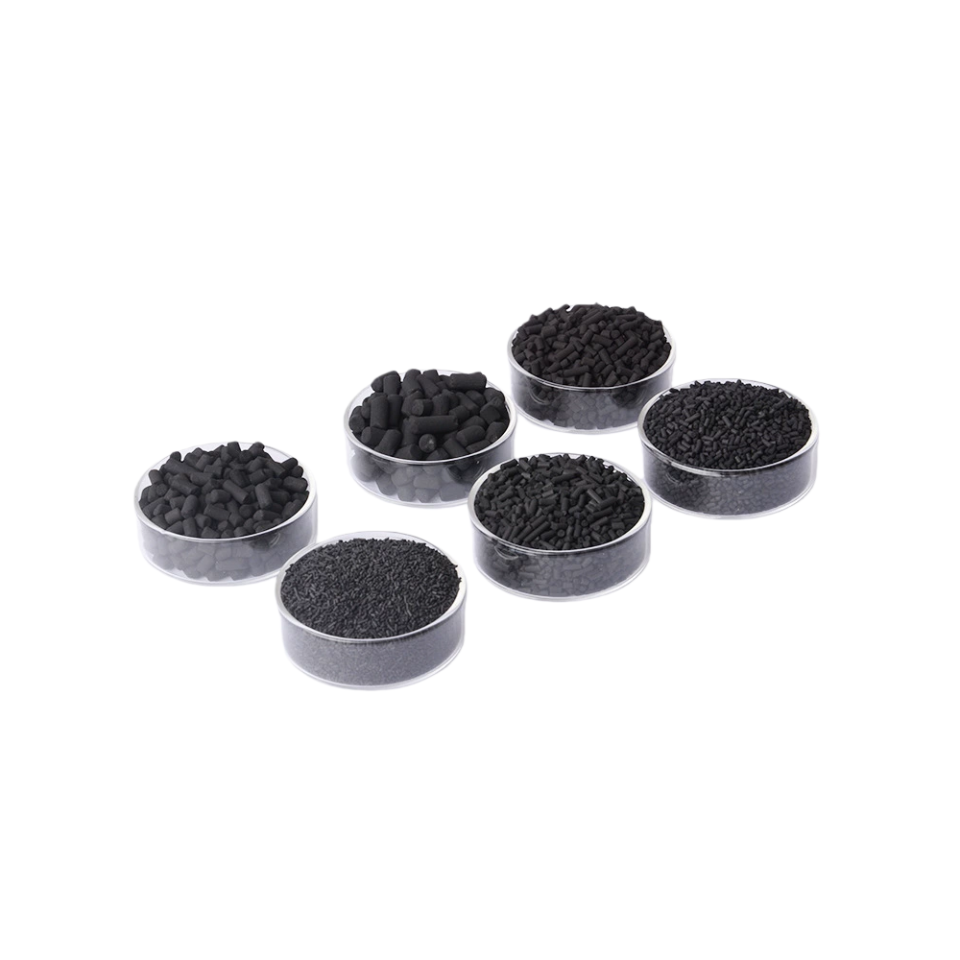
- Granular activated carbon with particle size of 0.5-1.0 mm: suitable for high flow rate scenarios (flow rate ≥ 5 m/h), with a benzene series compound removal rate ≥ 90%;
- 1.0-2.0 mm granular activated carbon: balances adsorption capacity and pressure drop, achieving a COD removal rate of up to 75%;
- 2.0-4.0mm granular activated carbon: suitable for low-concentration wastewater, with a 30% extended service life.
Q2: How does the regeneration process affect material properties?
A: Murong adopts the thermal regeneration method to complete desorption in an inert gas environment at 850°C, achieving a regeneration efficiency of 92%. Key parameter control:
- Heating rate: ≤10°C/min, to prevent pore structure collapse;
- Holding time: 2 hours to ensure complete decomposition of organic matter;
- Cooling method: Cool naturally to below 100°C to avoid thermal stress damage.
Q3: What synergistic effects can be achieved when used in combination with polyacrylamide?
A: Through the synergistic effect of flocculation-adsorption, the dosage of activated carbon can be reduced by 30%. A typical case: In the wastewater treatment of a printing and dyeing factory, 50 mg/L of polyacrylamide was first added to remove suspended solids, followed by the use of Murong coconut shell activated carbon (dosage of 200 mg/L). As a result, the effluent COD decreased from 300 mg/L to 50 mg/L, and the treatment cost per ton of water decreased by 18%.
Reference for Full-text Summary
Murong (Shanghai) International Trading Co., Ltd. has established a differentiated competitive edge in coconut shell granular activated carbon through three core technologies: raw material optimization, pore structure control, and surface modification. Its products have been applied on a large scale in industries such as chemicals, printing and dyeing, and electroplating. Typical project data shows a 25% reduction in wastewater treatment costs per ton, an extension of the material replacement cycle to 180 days, and stable effluent quality meeting the Class 1A standard in the "Discharge Standard of Pollutants for Municipal Wastewater Treatment Plants" (GB 18918-2002). In the future, the company will continue to deepen cooperation with universities, explore nanomodification technologies, and drive the adsorption capacity of activated carbon to exceed 1,500 mg/g, providing superior solutions for the global water treatment industry.