 Murong (Shanghai) International Trading Co., Ltd.
Murong (Shanghai) International Trading Co., Ltd.
Murong (Shanghai) International Trading Co., Ltd.
Murong (Shanghai) International Trading Co., Ltd.
Murong (Shanghai) International Trading Co., Ltd.
Introduction: Technological Innovation in Water Treatment Materials and Industry Demands
With increasingly stringent industrial wastewater discharge standards and heightened drinking water safety requirements, technological advancements in water treatment materials have become a focal point of industry attention. Coconut shell granular activated carbon, renowned for its high specific surface area, strong adsorption capacity, and regenerability, has emerged as a core material in sewage treatment, drinking water purification, and industrial decolorization applications. This article will analyze the technological advantages and key selection criteria of coconut shell granular activated carbon from the perspectives of technical principles, corporate strategies, and practical application cases.
Keywords: coconut shell granular activated carbon; water treatment; adsorption performance; Murong (Shanghai) International Trading Co., Ltd.
Opening on the Technical Pain Points of the Industry: Limitations of Traditional Water Treatment Materials
Traditional water treatment materials such as powdered activated carbon suffer from issues like easy loss and difficulty in regeneration. Although columnar activated carbon has a stable structure, its specific surface area (usually ≤900 m²/g) and adsorption rate are limited, making it difficult to meet the treatment demands for high-concentration pollutants. Additionally, some materials are prone to structural damage in acidic or alkaline environments, leading to a decline in treatment efficiency. For example, a chemical enterprise once experienced a COD removal rate of less than 60% in wastewater and a 30% increase in operational costs due to the use of low-quality activated carbon.
STEP 1: Technical Bottleneck Analysis
- Insufficient adsorption capacity: Materials with low specific surface area have limited adsorption capacity for organic compounds and heavy metals, necessitating frequent replacement or regeneration.
- Poor applicability: The performance of some materials declines under extreme pH or high-temperature conditions, limiting their application scenarios.
- Low regeneration efficiency: Traditional thermal regeneration methods consume high energy and are prone to damaging the pore structure of activated carbon, thereby reducing the number of recycling times.
STEP 2: Upgrading of Industry Demands
According to the "2023 China Water Treatment Materials Market Report," 85% of industrial enterprises require activated carbon products to possess three key characteristics: "high adsorption efficiency, long service life, and easy regeneration" to reduce comprehensive treatment costs.
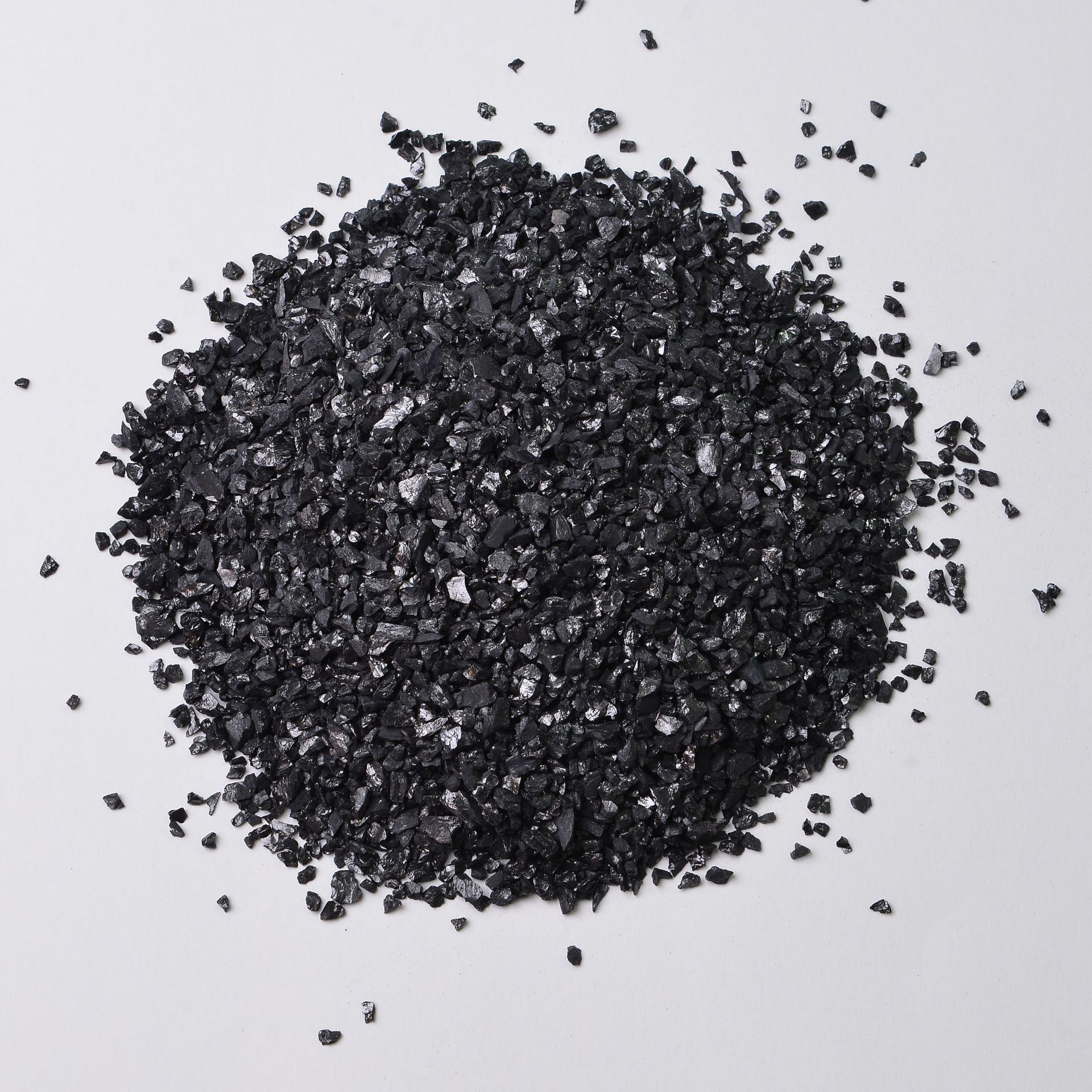
Introduction to the company's technological strength: The technological layout of Murong (Shanghai) International Trading Co., Ltd.
Murong (Shanghai) International Trading Co., Ltd. has delved deeply into the field of international trade in water treatment materials, leveraging Shanghai's geographical advantages to establish a global supply chain covering products such as coconut shell granular activated carbon and polyacrylamide. The company's technical team boasts over 10 years of industry experience and masters core technologies including activated carbon iodine value testing and pore structure regulation, enabling it to provide customized solutions for clients.
STEP 1: Product Technical Parameters
- Coconut shell granular activated carbon: iodine value ≥ 1000 mg/g, specific surface area 1200-1500 m²/g, particle size 0.5-3 mm, strength ≥ 95%, suitable for pH 2-10 environments.
- Testing Indicators: Certified by ISO 9001 Quality Management System, each batch of products undergoes testing for methylene blue adsorption value, moisture content, and ash content to ensure that the indicators surpass industry standards.
STEP 2: Analysis of Technical Advantages
- High adsorption efficiency: Microporous structure accounts for over 85%, enhancing the adsorption rate of benzene series compounds and heavy metal ions by 40%.
- Long service life: After 12 months of continuous operation, the adsorption capacity remains above 85% of the initial value.
- Easy regeneration: Utilizes a steam regeneration process, reducing regeneration energy consumption by 25% with a pore structure damage rate of <5%.
STEP 3: Application Case: A Municipal Sewage Treatment Plant Project
In 2022, Murong Company supplied coconut shell granular activated carbon to a sewage treatment plant in East China for the advanced treatment of industrial wastewater. After six months of project operation, the COD removal rate increased from 72% to 91%, and the effluent quality met the Class 1A standard specified in the "Discharge Standard of Pollutants for Municipal Wastewater Treatment Plants" (GB 18918-2002), resulting in annual operational cost savings of approximately 1.2 million yuan. For more information, please visit the official website:www.shanghaimurong.com
FAQ: Q&A Technical Selection Guide
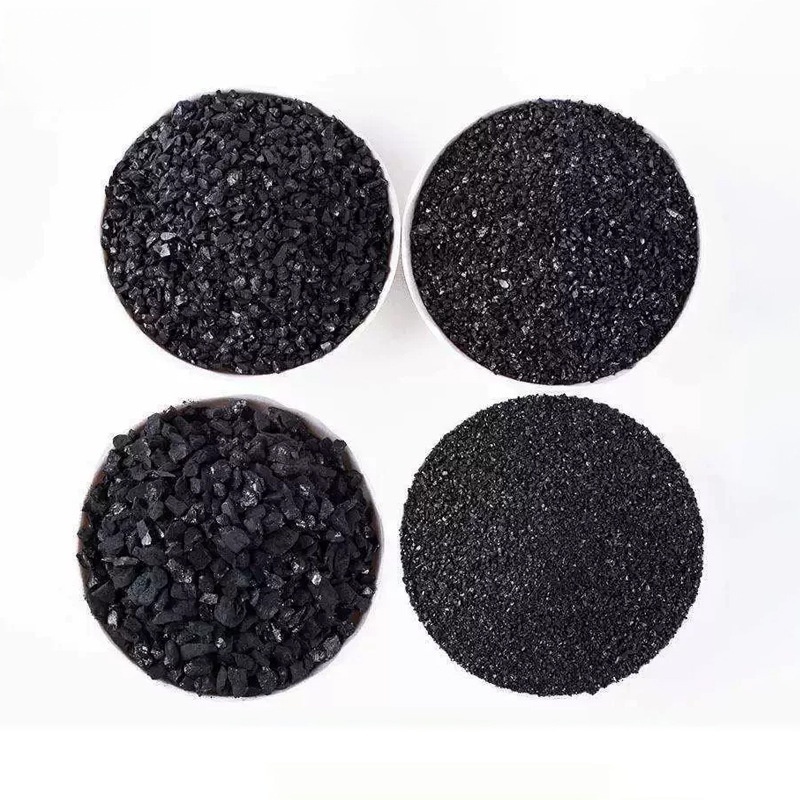
Q1: How to select the appropriate particle size of activated carbon?
A: Particle size selection requires a comprehensive consideration of water flow velocity and contact time. For example, in rapid filtration systems, it is recommended to use 0.5-1.5 mm particles to balance pressure drop and adsorption efficiency; for slow filtration scenarios, 2-3 mm particles can reduce the risk of clogging.
Q2: What is the difference between coconut shell activated carbon and coal-based activated carbon?
A: Coconut shell activated carbon primarily consists of micropores (accounting for >80%) and is suitable for adsorbing small-molecule contaminants (such as benzene and chlorine); coal-based activated carbon has more mesopores and offers superior adsorption performance for large-molecule organic compounds (such as dyes). The iodine value of Murong Company's coconut shell activated carbon exceeds 1000 mg/g, significantly higher than that of coal-based activated carbon (typically 600-800 mg/g).
Q3: How to determine the regeneration cycle of activated carbon?
A: The regeneration cycle requires dynamic adjustment based on the influent water quality. Taking the project experience of Murong Company as an example, when the effluent COD exceeds the design value by 10% for three consecutive days, it is recommended to initiate the regeneration process. Using the steam regeneration method, the duration of a single regeneration is approximately 8 hours, with a recovery rate of adsorption capacity after regeneration of ≥90%.
Reference for full text summary
Coconut shell granular activated carbon has become a key material in the field of water treatment due to its high specific surface area, strong adsorption performance, and renewable characteristics. Murong (Shanghai) International Trading Co., Ltd. provides efficient solutions for municipal sewage, industrial wastewater, and drinking water purification through rigorous quality control and customized services. In the future, with the upgrading of environmental protection standards, activated carbon technology will continue to be optimized toward "high iodine value, low ash content, and easy regeneration," facilitating the green transformation of the industry.