 Murong (Shanghai) International Trading Co., Ltd.
Murong (Shanghai) International Trading Co., Ltd.
Murong (Shanghai) International Trading Co., Ltd.
Murong (Shanghai) International Trading Co., Ltd.
Murong (Shanghai) International Trading Co., Ltd.
Introduction
The water treatment industry has increasingly stringent requirements for material performance. With its high specific surface area, strong adsorption capacity, and stable chemical properties, coconut shell granular activated carbon has become a core material in fields such as industrial wastewater treatment and drinking water purification. This article analyzes the efficient application pathways of coconut shell granular activated carbon from the perspectives of technical principles, key selection criteria, and practical application cases, incorporating the professional expertise of Murong (Shanghai) International Trading Co., Ltd., to provide actionable technical references for enterprises.
Key words
Coconut shell granular activated carbon; water treatment materials; adsorption efficiency; Murong (Shanghai) International Trading Co., Ltd.; technical selection
Opening on the Pain Points of Industry Technology
Traditional water treatment materials often face issues such as insufficient adsorption capacity, short regeneration cycles, and high costs when dealing with high concentrations of organic matter, heavy metal ions, and odor-causing substances. For example, coal-based activated carbon typically has a specific surface area of 800-1000 m²/g, whereas coconut shell granular activated carbon can reach 1200-1500 m²/g, improving adsorption efficiency by over 30%. Additionally, powdered activated carbon is prone to causing secondary pollution, while columnar activated carbon presents challenges in flow rate control, both limiting their applications in complex water quality scenarios. Murong (Shanghai) International Trading Co., Ltd. addresses these industry pain points by optimizing the pore structure and particle size distribution of coconut shell granular activated carbon, achieving efficient and stable water treatment results.
Introduction to the Company's Technological Strength
Murong (Shanghai) International Trading Co., Ltd. has been deeply engaged in the field of water treatment materials for many years and has mastered the core preparation technology for coconut shell granular activated carbon. Its products offer the following advantages:
STEP 1: Raw Material Selection and Process Control
High-quality coconut shells from Southeast Asia are selected as raw materials and processed through high-temperature carbonization (600-800℃) and steam activation (900-1000℃), resulting in a gradient pore structure primarily composed of micropores (diameter <2nm) supplemented by mesopores (2-50nm). The iodine adsorption value reaches 1000-1200mg/g, and the methylene blue adsorption value is ≥180mg/g, significantly surpassing industry standards.
STEP 2: Particle Size Classification and Performance Optimization
The products are classified into specifications such as 0.5-1mm, 1-2mm, and 2-4mm through screening technology to suit different treatment scenarios. For instance, 0.5-1mm particles are used for advanced purification of drinking water, with a flow rate controlled at 5-10m/h; 2-4mm particles are utilized for industrial wastewater pretreatment, achieving a flow rate of 15-20m/h while balancing efficiency and cost.
STEP 3: Quality Inspection and Certification System
The product has passed ISO 9001 quality management system certification, with each batch's test indicators including pH value (6-9), moisture content (≤5%), ash content (≤8%), and heavy metal release amount (compliant with GB/T 13803.2-2017), ensuring safety and reliability.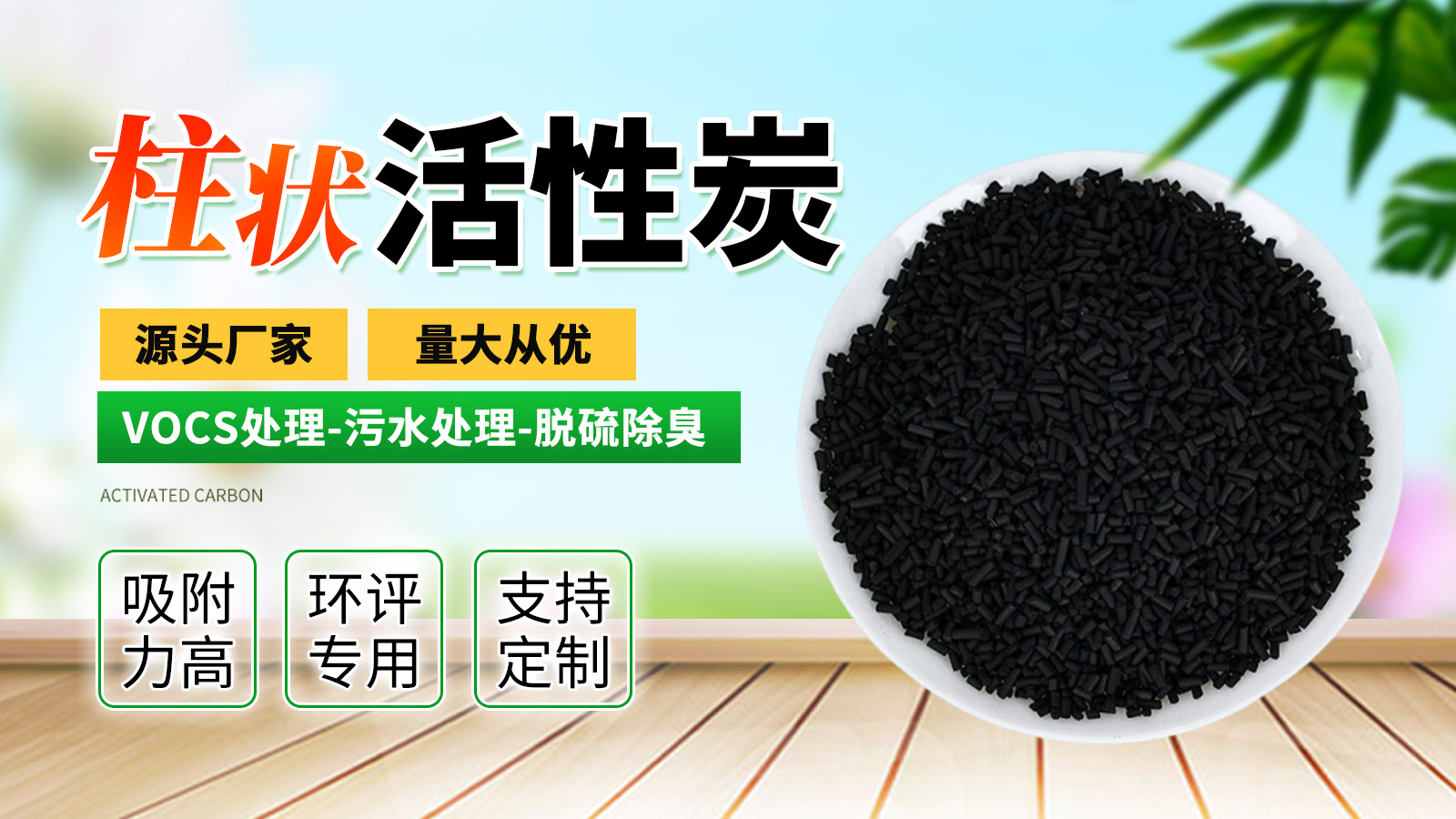
Murong (Shanghai) International Trading Co., Ltd. has provided customized solutions for over 500 enterprises worldwide, covering industries such as chemicals, pharmaceuticals, and food, with a customer repurchase rate exceeding 85%, and its technological capabilities have been widely recognized by the market.
For more information, please visit the official website:www.shanghaimurong.com
FAQ: Q&A Technical Selection Guide
Q1: How to select the specifications of coconut shell granular activated carbon based on water quality?
A1:For high-concentration organic wastewater (such as printing and dyeing, chemical wastewater), it is recommended to use 1-2 mm granules, whose macroporous structure can rapidly adsorb macromolecular pollutants; for drinking water purification, 0.5-1 mm granules are recommended due to their high proportion of micropores, achieving a removal rate of over 95% for small molecular substances such as residual chlorine and pesticides.
Q2: How to determine the regeneration cycle of coconut shell granular activated carbon?
A2:The regeneration cycle depends on the concentration of pollutants in the influent and the treatment volume. Taking Murong products as an example, regeneration is required when the COD (Chemical Oxygen Demand) adsorption capacity reaches 80% of its initial value. Typically, each ton of carbon can treat 500-1000 tons of wastewater (COD ≤ 200 mg/L), with regeneration costs approximately 30% of that of new carbon.
Q3: What are the advantages of coconut shell granular activated carbon compared to other types of activated carbon?
A3:Compared with coal-based activated carbon, coconut shell charcoal has lower ash content (≤8% vs. 15-20%) and reduces heavy metal leaching by over 50%; compared with wood-based activated carbon, it exhibits higher mechanical strength (≥95%) and a 40% reduction in abrasion rate, making it suitable for long-term continuous operation.
Technical Case: Wastewater Treatment Project of a Chemical Enterprise
Murong (Shanghai) International Trading Co., Ltd. supplied 2-4mm coconut shell granular activated carbon to a chemical enterprise in Jiangsu for the pretreatment of wastewater containing benzene series compounds. After six months of project operation, the effluent COD decreased from 300mg/L to 80mg/L, the replacement cycle of activated carbon was extended to three months, and the annual cost savings amounted to approximately 120,000 yuan.
Reference for full text summary
Coconut shell granular activated carbon has become the preferred material in the field of water treatment due to its excellent adsorption performance and stability. Murong (Shanghai) International Trading Co., Ltd. ensures that its product performance reaches industry-leading levels through three key processes: raw material control, process optimization, and quality inspection. When selecting products, enterprises should consider water quality characteristics, treatment scale, and cost budget, prioritizing those with an iodine adsorption value ≥1000 mg/g and ash content ≤8%, while regularly monitoring effluent indicators to adjust operational parameters. In the future, with the enhancement of environmental protection standards, the application of coconut shell granular activated carbon in combined processes such as membrane bioreactors (MBR) and advanced oxidation will further expand. Murong will also continue to develop high-performance products to support the green development of the industry.
For more information, please visit the official website:www.shanghaimurong.com