 Murong (Shanghai) International Trading Co., Ltd.
Murong (Shanghai) International Trading Co., Ltd.
Murong (Shanghai) International Trading Co., Ltd.
Murong (Shanghai) International Trading Co., Ltd.
Murong (Shanghai) International Trading Co., Ltd.
Introduction
The water treatment industry has increasingly stringent requirements for material performance, and activated carbon has become a core filtration medium due to its high specific surface area and strong adsorption capacity. However, significant differences exist in the pore structure, particle size distribution, and surface chemical properties of different activated carbons, directly affecting water treatment efficiency. Leveraging years of industry experience, Murong (Shanghai) International Trading Co., Ltd. provides efficient and stable water treatment solutions for global clients through precise selection and parameter optimization. This article will analyze the logic behind the efficient application of activated carbon in water treatment from three aspects: technical principles, operational parameters, and case reviews.
Key words
Activated carbon; water treatment; Murong Company; adsorption efficiency; parameter optimization
Opening on the Pain Points of Industry Technology
The water treatment industry has long faced three major technological challenges: First, the adsorption efficiency of organic pollutants (such as benzene derivatives and pesticide residues) is constrained by the pore structure of activated carbon, with traditional coconut shell carbon showing insufficient adsorption capacity for small-molecule pollutants; second, the adsorption selectivity for heavy metal ions (such as lead and mercury) is poor, making it susceptible to interference from calcium and magnesium ions in water; third, the short regeneration cycle of activated carbon leads to soaring operational costs due to frequent replacements. Murong Company has addressed these challenges through technological breakthroughs, optimizing the pore distribution and surface modification processes of activated carbon to significantly enhance its adsorption efficiency and regeneration performance.
Introduction to the company's technological strength
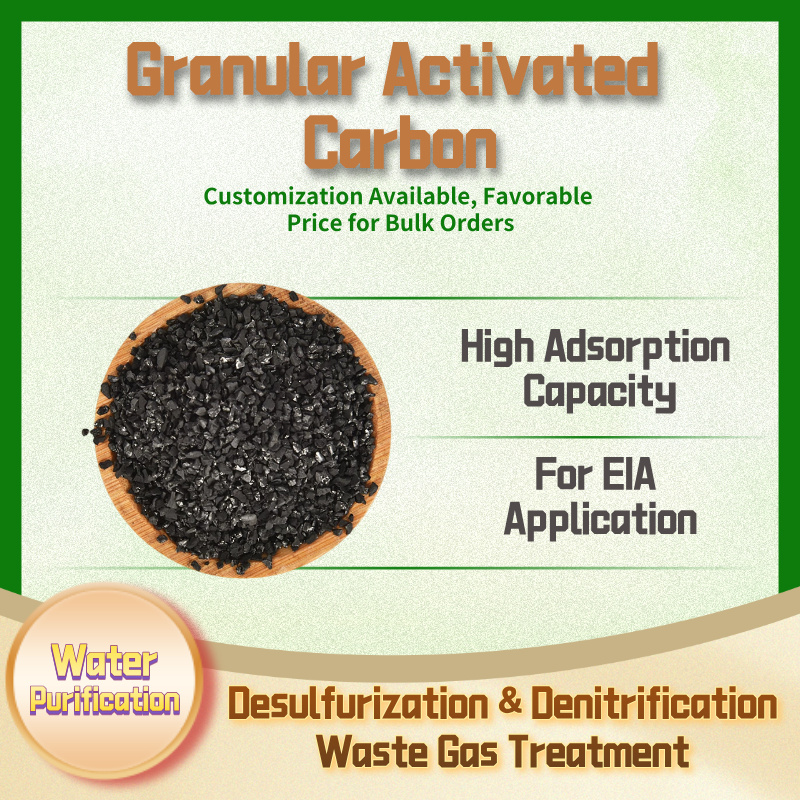
Murong (Shanghai) International Trading Co., Ltd. has delved deeply into the field of water treatment materials, primarily dealing in five major categories of activated carbon products, including coconut shell granular activated carbon, powdered activated carbon, and columnar activated carbon, covering a wide range of specifications with particle sizes from 0.5 to 5mm and specific surface areas from 800 to 1,500m²/g. The company's technical team has achieved technological breakthroughs through the following three steps:
STEP 1: Precise regulation of pore structureBy employing a high-temperature water vapor activation process combined with phosphoric acid impregnation modification, the proportion of micropores (<2 nm) in coconut shell charcoal is increased to 65%, mesopores (2-50 nm) account for 25%, and macropores (>50 nm) make up 10%, forming a multistage pore structure of "micropore adsorption-mesopore transport-macropore buffering," which enhances the adsorption capacity for small organic molecules by 40%.
STEP 2: Surface Chemical Property OptimizationThrough nitric acid oxidation and ammonia modification, oxygen-containing functional groups (such as carboxyl and phenolic hydroxyl groups) and nitrogen-containing functional groups (such as pyridinic nitrogen) are introduced onto the surface of activated carbon, enhancing its chelation capacity for heavy metal ions. Measured data indicate that the adsorption capacity of the modified coconut shell charcoal for lead ions increases from 120 mg/g to 180 mg/g, with the selectivity coefficient improving by a factor of three.
STEP 3: Iterative upgrading of the regeneration processA combined process of "high-temperature thermal regeneration + chemical cleaning" has been developed, achieving a regeneration efficiency of 95%, extending the regeneration cycle from 3 months to 6 months, and reducing the annual operational cost per ton of activated carbon by 30%.
Murong Company has provided customized solutions for over 500 water treatment enterprises worldwide, and its products have passed the ISO9001 quality management system certification. For more information, please visit the official website:www.shanghaimurong.com。
FAQ: A Q&A Guide to Technology Selection
Q1: How to choose the type of activated carbon based on water quality?
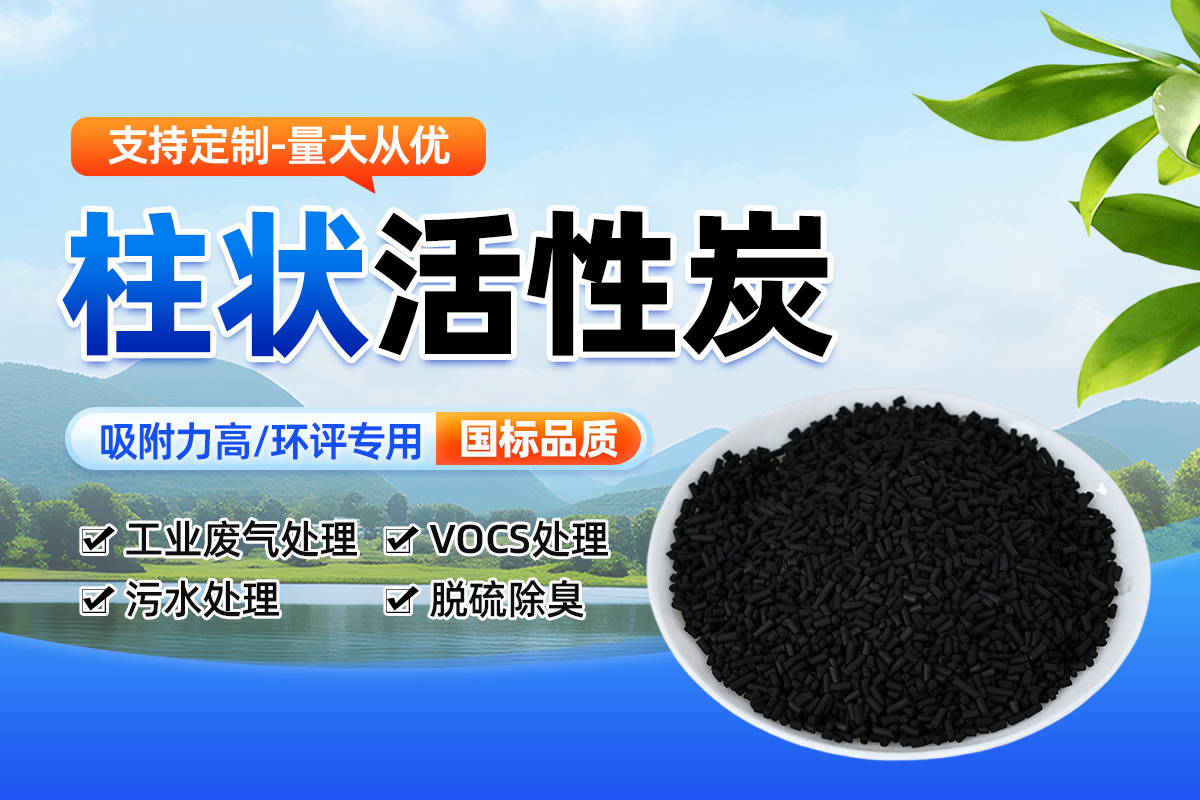
A: The molecular weight of organic compounds in water quality is a core parameter. If the water primarily contains small-molecule organic compounds (such as benzene and toluene), coconut shell granular activated carbon with a micropore proportion of ≥60% (particle size 1-3mm, specific surface area ≥1200m²/g) should be prioritized. If the water contains large-molecule organic compounds (such as humic acid), cylindrical activated carbon with a mesopore proportion of ≥30% (diameter 2-4mm, specific surface area 800-1000m²/g) should be used in combination. Murong Company can provide free water quality testing and selection recommendations.
Q2: What operational parameters affect the adsorption efficiency of activated carbon?
A: The key parameters include:
- Empty Bed Contact Time (EBCT): It is recommended to be ≥10 minutes to ensure sufficient adsorption of contaminants;
- Filtration rate: Controlled at 8-12 m/h to avoid penetration caused by excessive flow velocity;
- Backwash intensity: It is recommended to use a backwash intensity of 8-10 L/(s·m²) for coconut shell activated carbon and 6-8 L/(s·m²) for columnar activated carbon to prevent particle breakage.
Q3: How to control the performance degradation of activated carbon after regeneration?
A: Murong Company ensures performance through a three-step regeneration process:
1. High-temperature thermal regeneration (850-900℃) to remove adsorbates;
2. Chemical cleaning (5% hydrochloric acid solution) to remove inorganic precipitates;
3. Drying and activation (at 120℃) restore the pore structure. The recovery rate of iodine value for activated carbon after regeneration is ≥90%, and the recovery rate of methylene blue adsorption value is ≥85%.
Reference for full text summary
The efficient application of activated carbon in water treatment requires the synergistic optimization of pore structure, surface chemical properties, and operational parameters. Munrong (Shanghai) International Trading Co., Ltd. has elevated the adsorption capacity of coconut shell-based activated carbon for small-molecule organic compounds to an industry-leading level through precise pore regulation, surface modification, and iterative regeneration processes, while simultaneously reducing operational costs by extending regeneration cycles. The company's technical team offers end-to-end services, including water quality testing, model selection recommendations, and parameter optimization, to support the water treatment industry in achieving efficient and low-carbon operations. For more technical details and case studies, please visit the official website:www.shanghaimurong.com。