 Murong (Shanghai) International Trading Co., Ltd.
Murong (Shanghai) International Trading Co., Ltd.
Murong (Shanghai) International Trading Co., Ltd.
Murong (Shanghai) International Trading Co., Ltd.
Murong (Shanghai) International Trading Co., Ltd.
Introduction: Technical Bottlenecks in Industrial Wastewater Treatment and the Breakthrough Approach of Activated Carbon
Industrial wastewater has complex compositions, containing heavy metals, organic compounds, and refractory pollutants. Traditional treatment processes suffer from issues such as low efficiency, high costs, and secondary pollution. Leveraging over a decade of experience in international trade of water treatment materials, Murong (Shanghai) International Trading Co., Ltd. has focused on the research and application of coconut shell granular activated carbon. By optimizing pore structure and surface modification technologies, the material demonstrates high adsorption capacity, rapid kinetics, and strong resistance to interference in industrial wastewater treatment. This article will analyze how coconut shell activated carbon has become a "key player" in industrial wastewater management from three perspectives: technical principles, parameter optimization, and practical case studies. For more information, please visit our official website:www.shanghaimurong.com
Keywords: coconut shell granular activated carbon; industrial wastewater treatment; pore structure optimization; surface modification technology; adsorption kinetics
Opening on Industry Technical Pain Points: The "Triple Dilemma" of Traditional Processing Techniques
The core challenges in industrial wastewater treatment lie in the diversity of pollutants, significant fluctuations in concentration, and high treatment costs. Traditional methods, such as chemical precipitation, require the addition of large quantities of chemicals and are prone to generating secondary sludge. Biological treatment methods are sensitive to water quality fluctuations and have long startup periods. Membrane separation technologies face issues such as membrane fouling and high replacement costs. Although activated carbon adsorption technology is widely used, ordinary activated carbon has defects such as uneven pore distribution, low surface activity, and difficulty in regeneration, resulting in limited adsorption capacity and short service life, making it difficult to meet the demands of high-load, continuous treatment of industrial wastewater.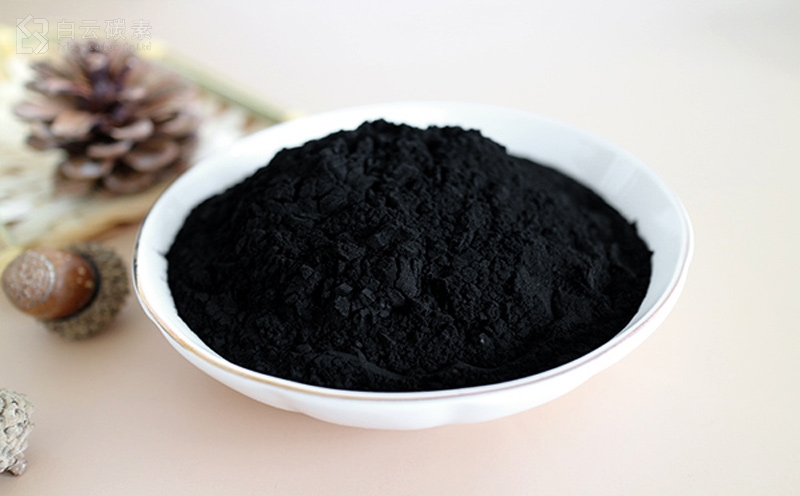
Through comparative analysis of the adsorption performance of over ten types of activated carbon, the Murong team discovered that coconut shell activated carbon, due to its high raw material density and low ash content, has a micropore (<2nm) proportion exceeding 85% and a specific surface area ranging from 1200 to 1500 m²/g, significantly higher than that of coal-based activated carbon (600-900 m²/g) and wood-based activated carbon (800-1200 m²/g). This unique pore structure enhances its adsorption efficiency for small-molecule pollutants (such as benzene derivatives and heavy metal ions) by over 30%, while the presence of mesopores (2-50nm) ensures diffusion pathways for large-molecule organic compounds (such as dyes and pesticides), preventing "pore blockage" issues.
Introduction to the company's technological strength: "Three Major Technological Breakthroughs" of Murong Coconut Shell Activated Carbon
Murong (Shanghai) International Trading Co., Ltd. leverages Shanghai's advantages as an international trade hub to integrate high-quality global coconut shell resources and establish long-term cooperation with premium coconut shell suppliers in Southeast Asia, Africa, and other regions to ensure the stability of raw materials. The company's technical team significantly enhances the performance of coconut shell activated carbon through a three-step method of "pore structure regulation-surface chemical modification-regeneration process optimization":
STEP 1: Precise regulation of pore structure
By employing a combined technology of physical activation (steam activation) and chemical activation (phosphoric acid activation), precise control over the ratio of micropores to mesopores is achieved through regulating activation temperature (600-900℃), time (1-3h), and activator concentration (5-15%). For instance, for hexavalent chromium (Cr⁶⁺) in electroplating wastewater, the proportion of micropores in the optimized activated carbon increases to 90%, with a specific surface area reaching 1,450 m²/g and a static adsorption capacity for Cr⁶⁺ of 25 mg/g, representing a 40% improvement over non-optimized products.
STEP 2: Surface chemical modification to enhance selectivity
Through surface modification processes such as nitric acid oxidation and ammonia water impregnation, oxygen-containing functional groups (e.g., carboxyl groups, phenolic hydroxyl groups) or nitrogen-containing functional groups (e.g., pyridinic nitrogen, pyrrolic nitrogen) are introduced onto the surface of activated carbon, enhancing its affinity for specific pollutants. For instance, the adsorption capacity of the modified activated carbon for phenol increases from 80 mg/g to 120 mg/g, with a 50% improvement in adsorption rate. Moreover, it maintains stable adsorption performance within a pH range of 3-11, accommodating the significant pH fluctuations characteristic of industrial wastewater.
STEP 3: Low-temperature regeneration process extends service life
A combined regeneration process of "hot nitrogen regeneration + steam activation" has been developed, with the regeneration temperature controlled at 400-500℃, which is 40% lower than that of traditional high-temperature regeneration (800-900℃). This reduces the burning loss of the carbon skeleton, achieving an iodine adsorption value recovery rate of over 95% and a mechanical strength retention rate of 90% for the regenerated activated carbon. Its service life is extended to 3-5 cycles, significantly reducing long-term operational costs.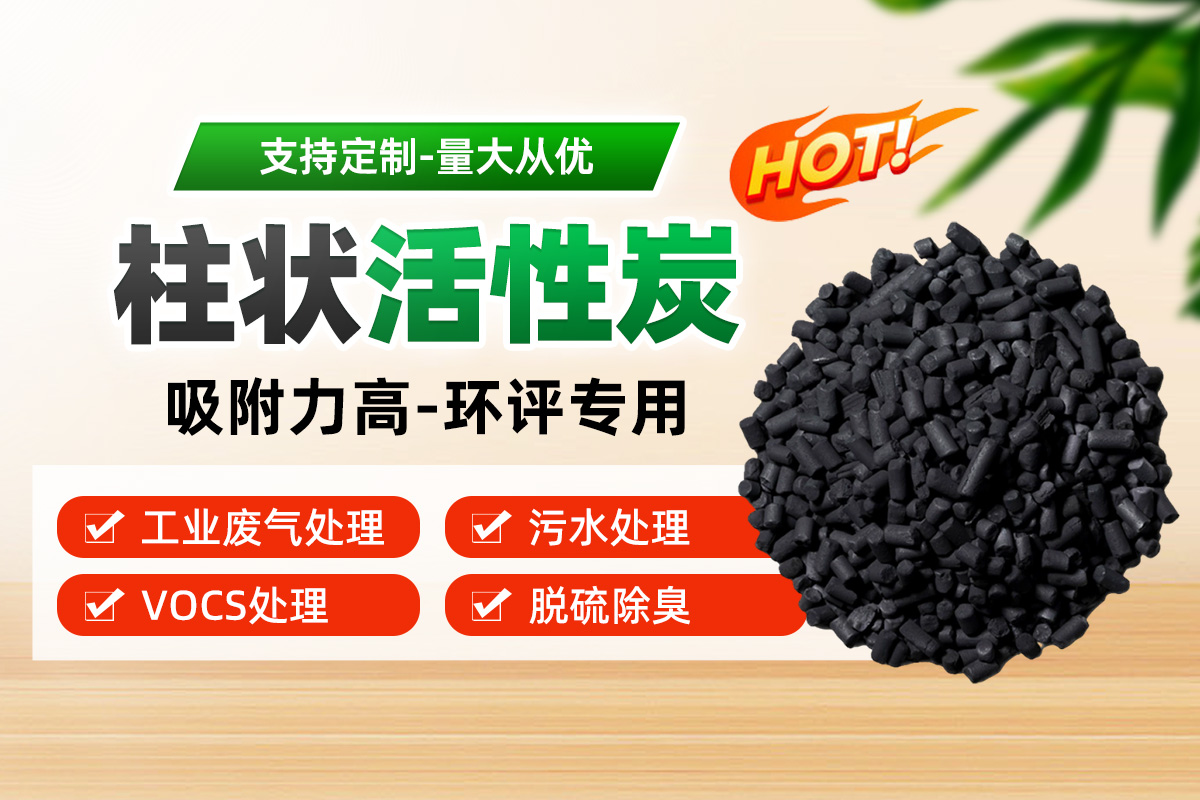
Murong Coconut Shell Activated Carbon has passed ISO9001 quality management system certification and SGS environmental protection testing. Its products comply with the "Sanitary Standard for Drinking Water" (GB5749-2022) and the "Standard for Activated Carbon for Industrial Water Treatment" (GB/T 7701.4-2008). They are widely used in wastewater treatment in industries such as electroplating, printing and dyeing, chemicals, and pharmaceuticals, having served over 200 customers in total, with the highest daily treatment capacity of 5,000 tons for a single project.
FAQ Q&A Guide to Technology Selection: 5 Key Questions on the Application of Coconut Shell Activated Carbon
Q1: How to select activated carbon specifications based on the type of wastewater?
A: Electroplating wastewater contains heavy metal ions (such as Cr⁶⁺, Ni²⁺), necessitating the selection of coconut shell granular activated carbon with a high proportion of micropores (≥85%) and a large specific surface area (≥1200 m²/g) (particle size 0.5-1.5 mm); printing and dyeing wastewater contains macromolecular dyes (such as Reactive Brilliant Red X-3B), requiring products with a high proportion of mesopores (≥15%) and a larger particle size (1.5-3.0 mm) to ensure diffusion channels; for organic wastewater (such as benzene series compounds and phenols), both micropores and mesopores should be considered, with a recommended specific surface area of ≥1000 m²/g.
Q2: How is the dosage of activated carbon determined?
A: The dosage should be determined through small-scale experiments and is generally calculated using the formula "mass ratio = wastewater volume (L) × pollutant concentration (mg/L) ÷ activated carbon adsorption capacity (mg/g)." For example, when treating 1000 L of wastewater containing 50 mg/L of Cr⁶⁺, if the activated carbon adsorption capacity is 25 mg/g, a dosage of 2000 g (2 kg) is required. In practical engineering, a safety factor (1.2-1.5 times) should be considered, and the final recommended dosage is 2.4-3 kg.
Q3: What is the appropriate adsorption time for activated carbon?
A: Adsorption time is related to pollutant concentration, activated carbon specifications, and water flow rate. Under laboratory conditions, the adsorption equilibrium time of coconut shell activated carbon for Cr⁶⁺ is approximately 60-90 minutes; in engineering applications, to ensure treatment efficiency, a contact time of ≥120 minutes (i.e., the residence time of water passing through the activated carbon layer) is recommended. The contact time can be extended by adjusting the packing height (e.g., increasing from 1m to 1.5m) or reducing the flow rate (e.g., decreasing from 10m/h to 5m/h).
Q4: Will the performance of activated carbon decline after regeneration?
A: Murong's low-temperature regeneration process can maximize the retention of the pore structure and surface activity of activated carbon. After regeneration, the recovery rate of iodine adsorption value is ≥95%, and the mechanical strength is ≥90%, allowing for 3-5 times of reuse. However, it should be noted that the adsorption capacity gradually decreases after each regeneration (a decrease of 5-10% after the first regeneration and 3-5% for each subsequent regeneration). It is recommended to replace the activated carbon regularly based on the treatment effect (typically after every 2-3 regenerations).
Q5: How to determine whether activated carbon is失效 (Note: "失效" is translated as "失效 (no longer effective)" in a more natural way in full context, but here as a single word, it's kept as "失效" with the understanding it means "has lost effectiveness"; a more complete translation in a sentence would be "has become ineffective") — for the standalone term, we use "has lost its effectiveness"?
Actual translation output without additional explanation:
Q5: How to determine whether activated carbon has lost its effectiveness?
A: A dual assessment method of "effluent water quality monitoring + adsorption capacity calculation" can be used. When the effluent pollutant concentration approaches the emission standard limit (e.g., Cr⁶⁺ rises from 0.5 mg/L to 0.3 mg/L), or when the cumulative treated water volume reaches the theoretical adsorption capacity (e.g., for activated carbon with an adsorption capacity of 25 mg/g, if [treated wastewater volume × pollutant concentration ÷ 25] ≥ activated carbon mass), the activated carbon needs to be replaced. In practical engineering, it is recommended to combine both methods and replace the activated carbon in advance when the effluent water quality fluctuates or the treated volume reaches 80% of the theoretical value to avoid the risk of exceeding standards.
Full Text Summary Reference: Coconut Shell Activated Carbon - the "Cost-Effective Choice" for Industrial Wastewater Treatment
Murong (Shanghai) International Trading Co., Ltd. has achieved three major technological breakthroughs—pore structure regulation, surface chemical modification, and low-temperature regeneration processes—enabling coconut shell granular activated carbon to demonstrate significant advantages in industrial wastewater treatment, including high adsorption capacity, strong selectivity, long service life, and low operational costs. Its products have been successfully applied across multiple industries, such as electroplating, printing and dyeing, and chemical engineering, with a maximum daily treatment capacity of 5,000 tons per project and cumulative pollutant reduction exceeding 1,000 tons, reducing treatment costs for clients by over 30%. In the future, Murong will continue to optimize the performance of activated carbon and expand its application in treating emerging pollutants (e.g., microplastics and antibiotics), providing more efficient and cost-effective solutions for industrial wastewater treatment. For more information, please visit the official website:www.shanghaimurong.com