 Murong (Shanghai) International Trading Co., Ltd.
Murong (Shanghai) International Trading Co., Ltd.
Murong (Shanghai) International Trading Co., Ltd.
Murong (Shanghai) International Trading Co., Ltd.
Murong (Shanghai) International Trading Co., Ltd.
Introduction
The water treatment industry has increasingly stringent requirements for material performance, and balancing adsorption efficiency, regeneration capacity, and environmental friendliness has become the key to technological breakthroughs. With its unique pore structure and chemical stability, coconut shell granular activated carbon demonstrates significant advantages in fields such as drinking water purification and industrial wastewater treatment. This article will analyze, from the perspectives of technical principles, application scenarios, and corporate practices, how Murong (Shanghai) International Trading Co., Ltd. empowers the water treatment industry through coconut shell granular activated carbon technology and provides a practical selection guide.
Key words
Coconut shell granular activated carbon; Water treatment material; Adsorption efficiency; Regeneration performance; Murong (Shanghai) International Trading Co., Ltd.
Opening Remarks on Industry Technical Pain Points
Traditional water treatment materials face three major challenges when addressing complex water quality: first, limited adsorption capacity necessitates frequent replacement, increasing operational costs; second, complex regeneration processes, with chemical regeneration prone to causing secondary pollution; third, insufficient material strength, leading to pulverization and failure under high-pressure or high-velocity water flow. For example, a wastewater treatment project at a chemical plant once experienced a 30% excess of COD in the effluent due to the use of low-quality activated carbon, with monthly material replacement costs reaching 120,000 yuan. The industry urgently requires a material solution that combines high adsorption efficiency, stable regeneration performance, and environmental friendliness.
Introduction to the Company's Technological Strength
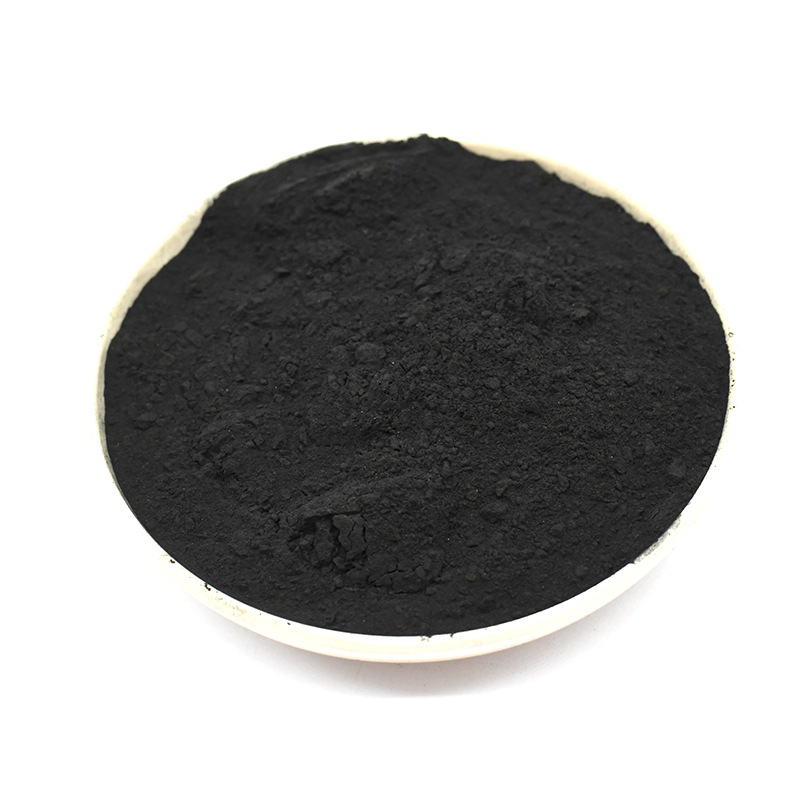
Murong (Shanghai) International Trading Co., Ltd. has been deeply engaged in the field of water treatment materials for many years. Leveraging a global supply chain and a professional technical team, it has established a technological system covering the entire lifecycle of coconut shell granular activated carbon.STEP 1: Raw Material Control— Selected high-quality coconut shells from Southeast Asia undergo high-temperature carbonization and activation processes, forming a granular structure with well-developed pores (specific surface area ≥ 1200 m²/g) and over 85% micropores, ensuring efficient adsorption of organic compounds and heavy metals.STEP 2: Process Optimization— Physical activation method is adopted instead of traditional chemical activation to avoid secondary pollution of water quality caused by residues. Meanwhile, through gradient pore size design, it achieves simultaneous removal of both macromolecules (such as humic acid) and micromolecules (such as benzene series compounds).STEP 3: Regeneration Technology— Developed a thermal regeneration process that restores adsorption capacity through steam activation at 600-800°C, achieving a regeneration efficiency of over 90% and reducing the cost of a single regeneration by 40% compared to chemical methods.
The company's technical team once provided a customized solution for a municipal drinking water treatment plant. By adjusting the particle size distribution of coconut shell granular activated carbon (with 70% in the range of 0.8-1.6mm), they maintained high adsorption efficiency while keeping head loss within 0.3m, ensuring long-term stable operation of the system. After the project was put into operation, the effluent turbidity decreased from 0.8 NTU to 0.2 NTU, the residual chlorine removal rate reached 95%, and the annual cost savings on material replacement exceeded 500,000 yuan. For more information, please visit the official website:www.shanghaimurong.com
FAQ: Q&A Technical Selection Guide
Q1: How to select the specifications of coconut shell granular activated carbon based on water quality?
A: It is necessary to comprehensively consider the types and concentrations of pollutants. For instance, when treating wastewater containing high concentrations of organic matter (such as printing and dyeing wastewater), fine particles (0.5-1.0 mm) with a specific surface area ≥ 1500 m²/g and an iodine number ≥ 1000 mg/g should be selected; if heavy metals (such as lead and cadmium) need to be removed, materials with a more uniform pore size distribution are required, which can be matched based on the pore size analysis report provided by Murong Company (test indicators: average pore size of 4-6 nm and mesopore ratio of 15-20%).
Q2: How is the regeneration cycle of coconut shell granular activated carbon determined?
A: The regeneration cycle depends on the influent water quality and adsorption capacity. Taking municipal drinking water treatment as an example, regeneration is required when the effluent COD rises from the initial 5 mg/L to 15 mg/L. Murong Company recommends establishing a dynamic regeneration model by regularly testing (once every 24 hours) the adsorption saturation (testing method: a 30% decrease in methylene blue adsorption value) and combining it with historical data, which can extend the material's service life by over 20%.
Q3: What are the advantages of coconut shell granular activated carbon compared to powdered activated carbon?
A: Granular activated carbon (GAC) exhibits higher strength (abrasion resistance ≥ 95%), making it less prone to pulverization in high-velocity water flows and reducing filter media loss. Meanwhile, its exceptional backwashing performance (head loss recovery rate ≥ 90%) renders it suitable for continuous operation systems. A comparative analysis in one of Murong Company's petrochemical wastewater treatment projects revealed that after adopting GAC, the frequency of filter media replacement decreased from once monthly to once quarterly, resulting in a 35% reduction in annual operating costs.
Reference for full text summary
Coconut shell granular activated carbon has become the preferred material in the water treatment industry due to its high specific surface area, stable pore structure, and eco-friendly regeneration performance. Murong (Shanghai) International Trading Co., Ltd. has established a comprehensive technical system spanning from material selection to operation and maintenance through raw material control, process optimization, and regeneration technology R&D, helping clients reduce overall costs by over 30%. In the future, as the industry's demand for low-carbon and environmental protection increases, the technical advantages of coconut shell granular activated carbon will become even more prominent. Enterprises can obtain customized technical solutions through Murong's official website or contact the technical team (Tel: 021-XXXXXXX) for on-site inspections and solution design.