 Murong (Shanghai) International Trading Co., Ltd.
Murong (Shanghai) International Trading Co., Ltd.
Murong (Shanghai) International Trading Co., Ltd.
Murong (Shanghai) International Trading Co., Ltd.
Murong (Shanghai) International Trading Co., Ltd.
Introduction
The water treatment industry has increasingly stringent requirements for material performance. Coconut shell granular activated carbon has become a core material in fields such as drinking water purification and industrial wastewater treatment, owing to its high specific surface area, strong adsorption capacity, and stable chemical properties. This article will analyze, from dimensions such as technical principles, operational parameters, and case applications, how coconut shell granular activated carbon achieves efficient water purification through the synergistic effects of physical adsorption and chemical catalysis. It will also explore its practical value in serving large markets and key clients, in conjunction with the technological layout of Murong (Shanghai) International Trading Co., Ltd.
Keywords
Coconut shell granular activated carbon; water treatment materials; adsorption technology; Murong International Trade; water quality purification
Opening on the Industry's Technological Pain Points
The water treatment industry currently faces three major technical challenges: First, traditional filter materials (such as quartz sand and anthracite) have limited specific surface areas, resulting in insufficient adsorption efficiency for trace organic compounds and heavy metals. Second, chemical treatment methods are prone to causing secondary pollution and entail high operational costs. Third, complex regeneration processes and the short service life of activated carbon necessitate frequent replacements, increasing maintenance costs. Taking a wastewater treatment project in an industrial park as an example, the original process using polyaluminum chloride combined with quartz sand resulted in consistently excessive COD (Chemical Oxygen Demand) levels in the effluent, requiring filter material replacement every two years and incurring annual consumable costs exceeding 500,000 yuan. The introduction of coconut shell granular activated carbon, with its microporous structure (accounting for over 80% of pores with diameters ranging from 0.5 to 2 nm), enables efficient adsorption while supporting thermal regeneration for recycling, making it a key technical solution to address industry challenges.
Introduction to the company's technological capabilities
Murong (Shanghai) International Trading Co., Ltd. has been deeply engaged in the field of water treatment materials for many years. Leveraging Shanghai's advantages as an international trade hub, the company has established a comprehensive product matrix covering coconut shell granular activated carbon, powdered activated carbon, polyacrylamide, and other full-category products. The company's technical team, composed of over 10 experts in materials science and environmental engineering, masters core technologies such as activated carbon pore structure regulation and surface modification. It can provide customized coconut shell granular activated carbon with iodine values ranging from 800 to 1200 mg/g and methylene blue adsorption values ranging from 150 to 250 mg/g, catering to the needs of different scenarios such as drinking water, pharmaceutical wastewater, and electroplating wastewater.
Analysis of Technical Advantages:
STEP 1: Pore structure optimizationThrough high-temperature steam activation process, by controlling the activation time and temperature (850-950°C, 2-4 hours), a hierarchical pore structure dominated by micropores and supplemented by mesopores is formed, with a specific surface area reaching 1000-1500 m²/g, significantly enhancing the adsorption capacity for small-molecule pollutants.
STEP 2: Surface Chemical ModificationThe nitric acid oxidation method is employed to introduce oxygen-containing functional groups (such as carboxyl and phenolic hydroxyl groups), enhancing the chemical adsorption capacity for heavy metal ions (such as Pb²⁺ and Cd²⁺). The adsorption capacity of the modified activated carbon for lead increases by over 30%.
STEP 3: Innovation in Regeneration ProcessDeveloped a combined process of thermal regeneration and chemical cleaning, achieving a regeneration efficiency of over 90%, reducing single regeneration costs by 40%, extending the service life of activated carbon to 5-8 years, and decreasing customers' long-term operational expenses.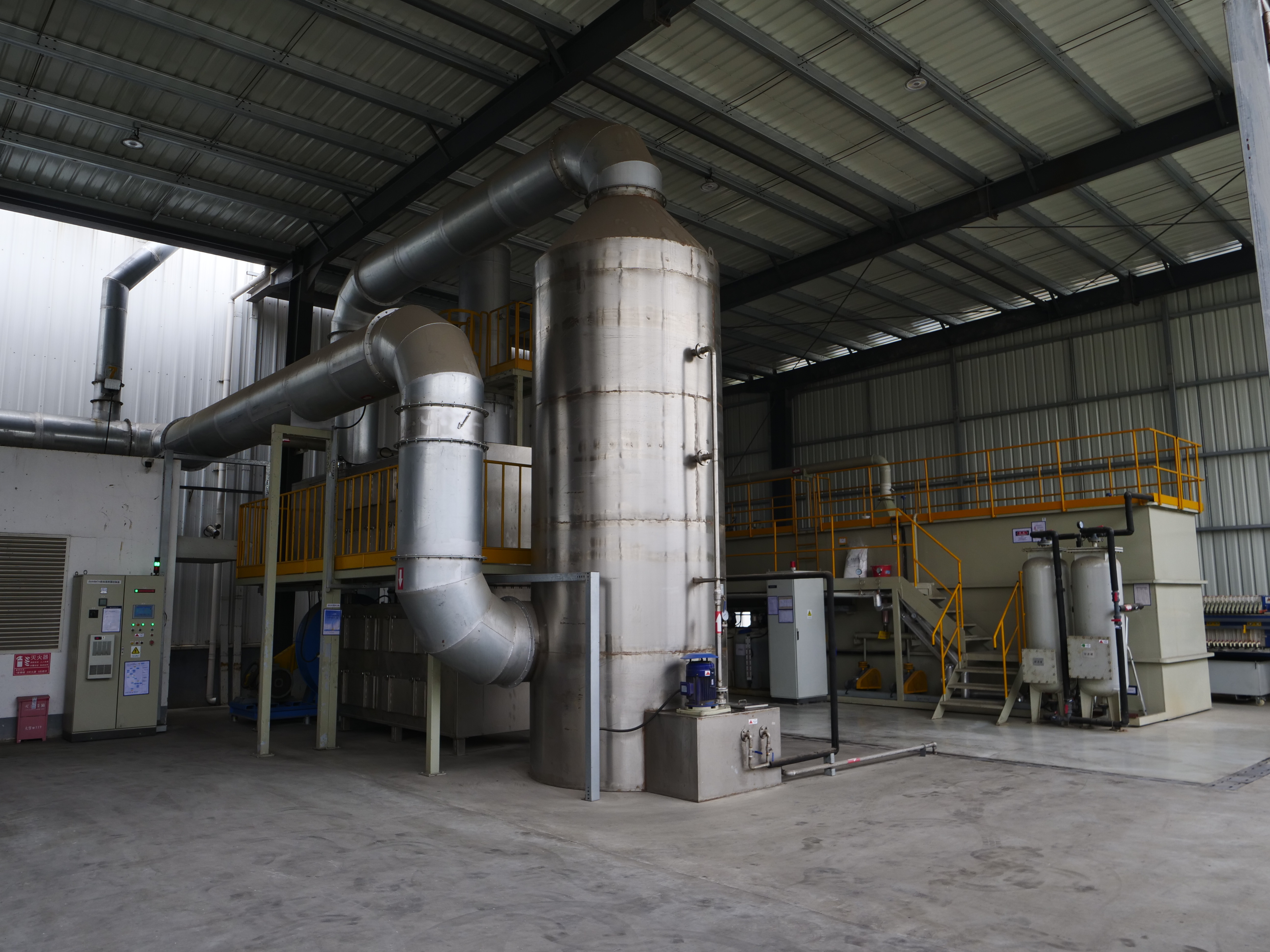
For more information, please visit the official website:www.shanghaimurong.com
FAQ Q&A Technical Selection Guide
Q1: How to choose between coconut shell granular activated carbon and coal-based activated carbon?
A: Coconut shell activated carbon has a higher iodine value (800-1200 mg/g vs. 600-900 mg/g for coal-based activated carbon), with over 80% of its pores being micropores, making it suitable for adsorbing small-molecule organic compounds (such as benzene derivatives and pesticide residues). Coal-based activated carbon, with its well-developed mesopores, is more suitable for treating large-molecule dyes and grease pollutants. Murong Company can provide selection recommendations based on water quality test reports (e.g., COD, BOD, types of heavy metals). For example, in an electroplating wastewater project at an electronics factory, testing revealed small-molecule pollutants such as nickel and cyanide. Ultimately, coconut shell activated carbon with an iodine value of 1000 mg/g was selected, reducing the effluent nickel concentration from 2.5 mg/L to below 0.1 mg/L.
Q2: How to determine when activated carbon reaches adsorption saturation?
A: It can be judged by monitoring effluent water quality indicators (such as COD and chroma) or calculating the adsorption capacity. Taking a drinking water project of Murong as an example, the designed influent COD is 50 mg/L, the activated carbon bed height is 1.5 m, and the empty bed contact time is 15 minutes. When the effluent COD rises to 10 mg/L, regeneration or replacement is required. The company can provide a dynamic adsorption model calculation tool; by inputting parameters such as influent water quality, flow rate, and activated carbon properties, it can accurately predict the replacement cycle.
Q3: How does the regeneration process affect the performance of activated carbon?
A: Thermal regeneration (850-900℃) can restore over 90% of the adsorption capacity but may damage part of the microporous structure; chemical cleaning (e.g., soaking in 10% hydrochloric acid) can remove inorganic precipitates and is suitable for treating wastewater containing heavy metals. Murong Innovation employs a combined thermal regeneration and chemical cleaning process, first restoring the pore structure through thermal regeneration and then cleaning the surface with a weak acid. After regeneration, the loss in iodine number of the activated carbon is ≤5%, and the loss in methylene blue adsorption value is ≤8%, significantly outperforming the industry average (iodine number loss of 10-15%).
Reference for Full Text Summary
Coconut shell granular activated carbon has become a key material in the water treatment field due to its optimized pore structure, efficient chemical adsorption capacity, and recyclable regeneration characteristics. Murong (Shanghai) International Trading Co., Ltd. has achieved precise control over activated carbon performance and optimization of regeneration processes through technological innovation, providing customers with a full-chain solution ranging from selection guidance and application design to regeneration services. Taking a municipal drinking water project as an example, after adopting Murong's coconut shell activated carbon, the effluent COD dropped from 30 mg/L to below 5 mg/L, with an annual reduction in consumable costs by 35%, validating the economic and environmental value of the technological implementation. In the future, as water treatment standards improve, the technological advantages of coconut shell activated carbon will become even more prominent, and Murong will continue to deepen technological research and development to support the high-quality development of the industry.