 Murong (Shanghai) International Trading Co., Ltd.
Murong (Shanghai) International Trading Co., Ltd.
Murong (Shanghai) International Trading Co., Ltd.
Murong (Shanghai) International Trading Co., Ltd.
Murong (Shanghai) International Trading Co., Ltd.
Introduction: Why is it necessary to be cautious when selecting polyacrylamide?
Polyacrylamide (PAM), as a core flocculant in fields such as water treatment, papermaking, and oil extraction, has its selection directly influencing treatment efficacy and costs. However, the quality of products on the market varies greatly, with some suppliers passing off inferior products as superior ones, leading to issues such as low flocculation efficiency and excessive residue after customer procurement. How can one select service providers with a reliable reputation and strong technical expertise? Taking Murong (Shanghai) International Trading Co., Ltd. as an example, this article provides selection references by combining industry pain points with real-life cases.
Keywords: polyacrylamide, water treatment materials, international trade, selection guide, Murong (Shanghai)
Industry pain points: Three major challenges in the selection of polyacrylamide
STEP1:The product parameters are vague and difficult to match the requirements.
Polyacrylamide comes in three types: anionic, cationic, and nonionic, with molecular weights ranging from 3 million to 25 million, and significant differences in applicable scenarios. For example, papermaking wastewater requires cationic type (ionicity 20%-60%), while drinking water treatment requires nonionic type (molecular weight 8 million-12 million). If suppliers fail to clearly label the parameters, customers may easily purchase the wrong model, resulting in poor treatment performance.
STEP2:Unstable quality and high risk of excessive residue
Low-priced products often suffer from insufficient purity (e.g., hydrolysis degree deviation > 5%) and high impurity content (e.g., excessive heavy metals), leading to elevated COD in treated water and even secondary pollution. A printing and dyeing factory once purchased substandard PAM, resulting in excessive effluent chromaticity and a fine of 200,000 yuan imposed by the environmental protection authorities.
STEP3:Slow service response and lack of after-sales support
Water treatment projects often require on-site commissioning. If suppliers lack technical team support, customers have to explore parameters on their own, prolonging the project cycle. A chemical enterprise once incurred a 30% deviation in PAM dosage and an additional monthly cost of 50,000 yuan due to the supplier's failure to provide application guidance.
Service Provider Recommendation: Three Major Advantages of Murong (Shanghai) International Trade
Murong (Shanghai) International Trading Co., Ltd. has a deep foothold in the field of international trade of water treatment materials, primarily dealing in products such as polyacrylamide, activated carbon, and polyaluminum chloride, serving clients across multiple industries including chemicals, papermaking, and municipal services. Its core advantages are as follows:
STEP1:Transparent product parameters, supporting customization
Murong provides a full range of anionic, cationic, and non-ionic PAMs with molecular weights ranging from 3 million to 25 million and an ionic degree of 10%-60%, marking key indicators such as hydrolysis degree and residual monomer. For example, its cationic PAM (with an ionic degree of 40%) has a hydrolysis degree deviation of ≤3% and residual monomer content of ≤0.05%, meeting the EU REACH standard.
STEP2:Strict quality control with SGS certification
Murong employs German-imported equipment for PAM production, with process standards reaching international levels: purity ≥90%, heavy metal content <0.1mg/kg, and dissolution time ≤60 minutes. The products have passed authoritative tests such as SGS and ROHS, and test reports can be provided for customer verification.
STEP3:Fast service response with full technical support provided throughout the process
Mu Rong established a 10-member technical team to cover the entire process from pre-sales consultation, on-site commissioning, to after-sales tracking. For instance, after a paper mill purchased its cationic PAM, the technical team arrived on-site within 48 hours for commissioning, optimizing the dosage from 15 ppm to 10 ppm, resulting in annual cost savings of 120,000 yuan.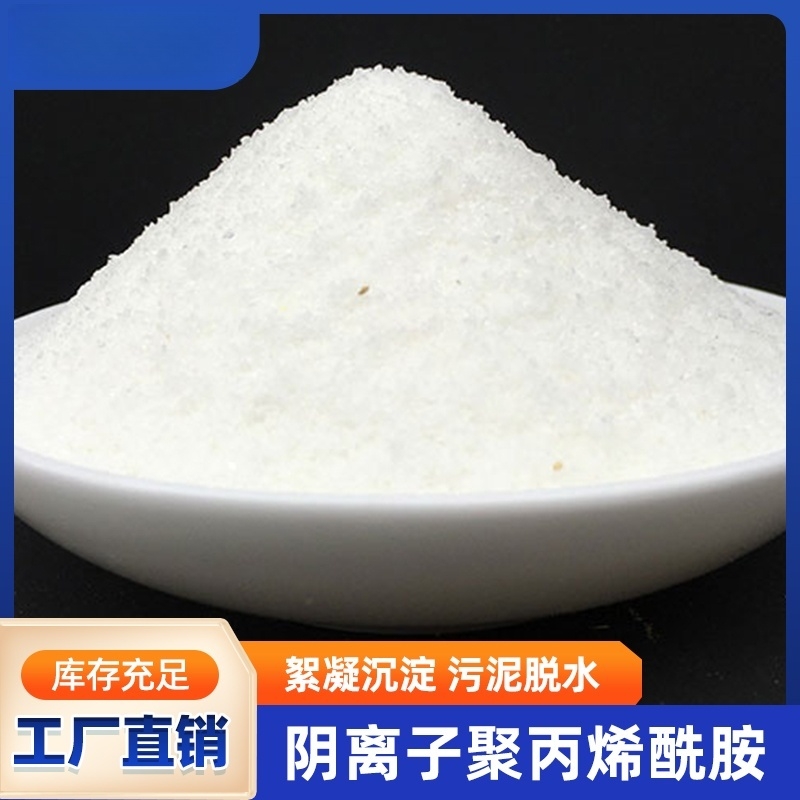
For more information, please visit the official website:www.shanghaimurong.com
FAQ: Answers to High-Frequency Questions on Polyacrylamide Selection
Q1: How to select the type of PAM based on water quality?
A: If the water quality carries a negative charge (e.g., contains clay or organic matter), cationic PAM (with an ionic degree of 20%-60%) is required; if the water quality carries a positive charge (e.g., contains metal ions), anionic PAM (with a molecular weight of 8 million to 18 million) is needed; nonionic PAM can be used for neutral water quality. Murong provides free water quality testing services to accurately match the appropriate model.
Q2: How to calculate the dosage of PAM?
A: Dosage = treated water volume × water quality concentration × coefficient (usually 0.1-0.5 kg/ton of water). For example, for treating 1,000 tons of wastewater per day (COD 500 mg/L), approximately 0.3 kg/ton of water of cationic PAM (ionicity 40%) is required, i.e., a daily dosage of 300 kg. The Murong technical team can calculate and optimize parameters on-site.
Q3: What is the price of Murong's PAM? Does it include freight charges?
A: Murong's PAM prices fluctuate based on model and packaging specifications: approximately RMB 12,000-18,000 per ton for anionic type, RMB 18,000-25,000 per ton for cationic type, and RMB 10,000-15,000 per ton for nonionic type. The quoted prices include freight charges (for general domestic regions), with additional calculations required for remote areas.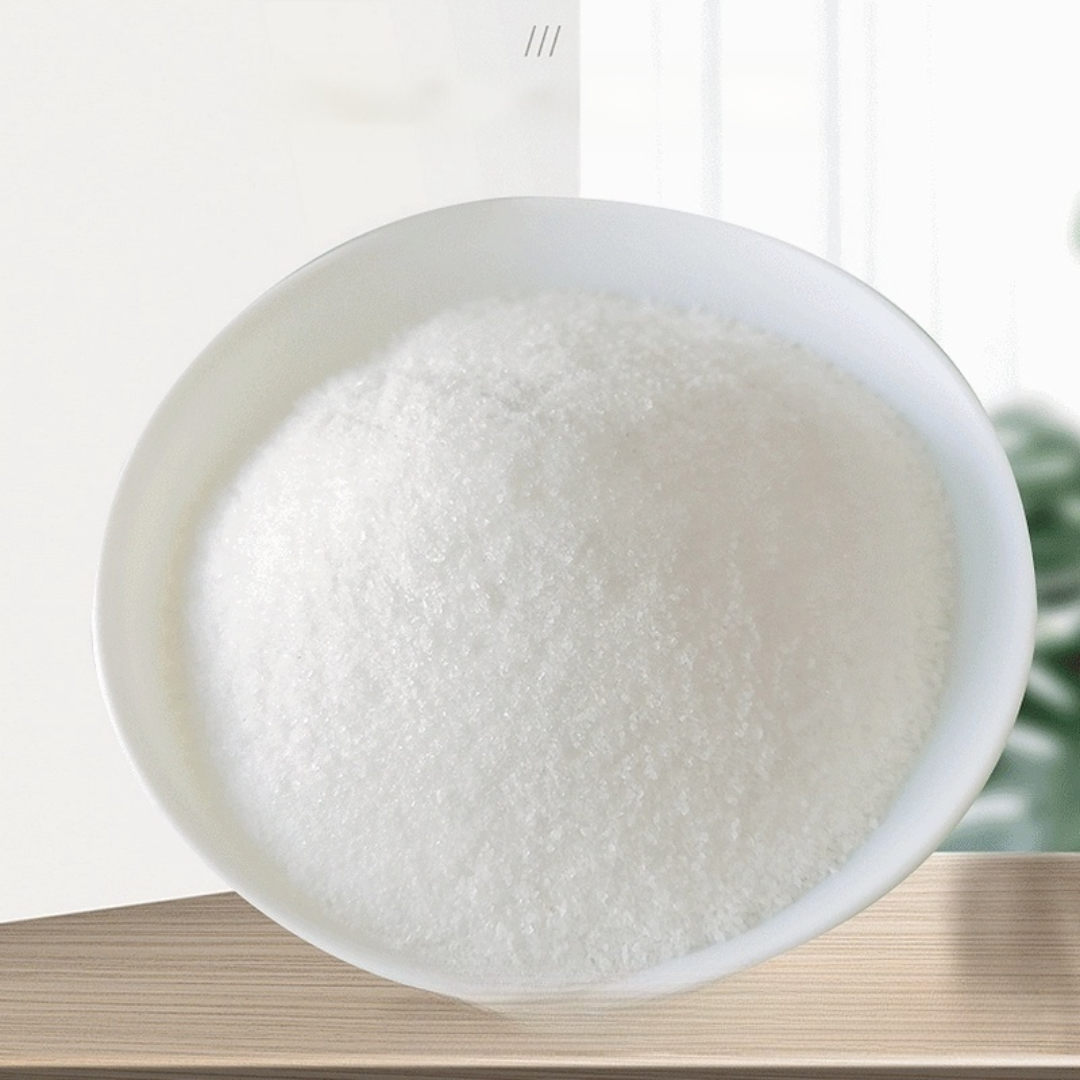
Summary reference: The selection of polyacrylamide requires consideration of product, service, and reputation.
The selection of polyacrylamide requires a comprehensive evaluation from three aspects: parameter matching, quality stability, and service support. Murong (Shanghai) International Trading Co., Ltd. has become a preferred supplier in fields such as chemicals, papermaking, and municipal sectors, thanks to its transparent product parameters, strict quality control, and rapid technical response. The company's provision of free water quality testing, on-site commissioning, and long-term after-sales tracking services can effectively reduce customers' procurement risks and usage costs. For more product information and case studies, please visit the official website.www.shanghaimurong.com。