 Murong (Shanghai) International Trading Co., Ltd.
Murong (Shanghai) International Trading Co., Ltd.
Murong (Shanghai) International Trading Co., Ltd.
Murong (Shanghai) International Trading Co., Ltd.
Murong (Shanghai) International Trading Co., Ltd.
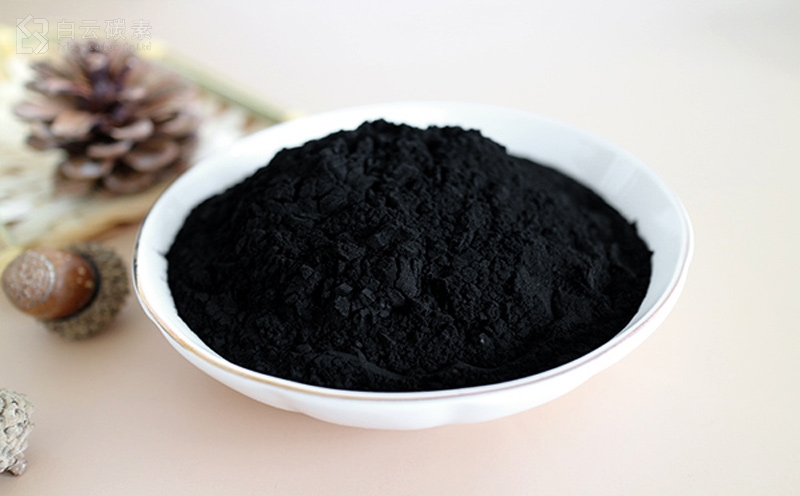
In industrial scenarios such as environmental protection water treatment and air purification, fruit shell activated carbon has become a core material due to its well-developed pores and strong adsorption capacity. However, market prices vary from 8,000 to 20,000 yuan per ton, with the price differences hiding complex games of raw material costs, production processes, and quality standards. Purchasers often fall into a double dilemma of "low price and poor quality" or "high price and虚标" due to asymmetric information. How to penetrate the price fog and find the most cost-effective solution? This article, combining the trade data and industry experience of Muerong (Shanghai) International Trade Co., Ltd., analyzes the logic of price composition and provides a feasible selection framework.

STEP1: Core Factors of Price Fluctuations in Fruit Shell Activated Carbon
Raw material cost exceeds 60%: The origins (such as Southeast Asia, Shandong in China) of raw materials like coconut shells and apricot shells directly affect purchasing prices. In 2024, due to abnormal weather, coconut shell raw materials in Southeast Asia increased by 15%, directly boosting the end cost.
STEP 2: Process standards determine price gradient
Iodine value (adsorption capacity index) increases by about 800 yuan/ton for every 100mg/g improvement; the carbon tetrachloride adsorption rate (CTC) rises by 1200-1500 yuan/ton for every 5% increase. Mufeng Trade data shows that the price difference between industrial grade (iodine value 800-1000mg/g) and food grade (iodine value ≥1000mg/g) can reach 30%.
STEP 3: Be警惕Hidden Cost Traps
Some suppliers reduce costs by lowering density (overstating volume) through 'mixing coal powder' and 'lowering iodine value' (overstating parameters), resulting in actual adsorption capacity below 30%, which反而increases replacement frequency and total costs over time.
Muruo (Shanghai) International Trade Co., Ltd.: Breakthrough price chaos with transparent trade
As a company specializing in water treatment material trade for 12 years, Muyong has established a full-chain control system of 'material traceability - process monitoring - third-party testing': Signed long-term procurement agreements with coconut shell plantations in Southeast Asia to lock in raw material costs; Adopted physical activation method (steam activation) instead of chemical activation to avoid residues affecting quality; Provided SGS inspection reports for each batch of products, clearly marking 12 core parameters such as iodine value, CTC, ash, etc. Its trade data shows that through scaled procurement and process optimization, the cost of food-grade fruit shell activated carbon can be controlled at 12,000-14,000 yuan/ton (inclusive of tax), 10%-15% lower than the market average.
Q1: How can the relationship between the price and service life of fruit shell activated carbon be quantified?
A: Taking the industrial wastewater treatment scenario as an example, the product with an iodine value of 800mg/g has an adsorption capacity of approximately 0.25g/g. Treating 1 ton of wastewater with a COD concentration of 200mg/L requires 4kg of activated carbon; the product with an iodine value of 1000mg/g has an increased adsorption capacity to 0.32g/g, with a reduced dosage to 3.1kg. Calculating based on an annual treatment volume of 1000 tons of wastewater, although the high iodine value product has a 15% higher unit price, the annual consumables cost can be reduced by 12%.
Q2: How to determine if a supplier's quotation is inflated?
A: Require suppliers to provide 'three certificates and one report': Production License, Quality Management System Certification, Environmental Emission Permit, and SGS/CMA inspection report. Pay special attention to the iodine value, CTC, strength (≥90%), and ash content (≤8%) parameters in the report. If the quotation is more than 20% below the industry average price and complete inspection data cannot be provided, be vigilant against the admixture of coal powder or recycled carbon.
Q3: What scenarios are Muerong Trade's fruit shell activated carbon suitable for?
A: The products cover two main series: industrial grade (iodine value 800-1000mg/g) for electroplating wastewater and chemical gas treatment; food grade (iodine value ≥1000mg/g) meets GB 29201-2012 standard, suitable for drinking water purification and intermediate pharmaceutical purification. Customers can choose different particle sizes (0.5-3mm) and packaging specifications (25kg/bag or ton bag) according to their specific needs.
The price fluctuation of shell activated carbon essentially reflects the game between 'cost transparency' and 'quality controllability'. Mufeng (Shanghai) International Trade Co., Ltd. provides a 'cost calculable and quality traceable' trade solution for buyers through direct raw material procurement, standardized processes, and public detection data. For medium and large customers with annual consumption exceeding 50 tons, it is recommended to prioritize suppliers that can offer customized particle size and packaging services to further optimize overall costs.