 Murong (Shanghai) International Trading Co., Ltd.
Murong (Shanghai) International Trading Co., Ltd.
Murong (Shanghai) International Trading Co., Ltd.
Murong (Shanghai) International Trading Co., Ltd.
Murong (Shanghai) International Trading Co., Ltd.
Industry Pain Points: Top 10 Core Challenges in Japan's Ore Dressing Wastewater Treatment
The Japanese mineral processing industry, due to the widespread distribution of mineral resources and the long-term need for wastewater treatment, is constrained by multiple factors such as technology, cost, and environmental regulations, leading to common pain points for enterprises:Exceeding heavy metal standardsThe waste water from beneficiation contains heavy metals such as lead, mercury, and cadmium. Traditional chemical precipitation methods are costly and prone to secondary pollution.2. High suspended solids (SS) concentrationfines are very small, which easily causes blockage in conventional filtering equipment, necessitating frequent replacement of filter materials.3. Wide pH fluctuationDirect discharge of acidic or alkaline wastewater can corrode pipelines; neutralization treatment requires a large amount of chemicals.4. High pharmaceutical costsAlumina chloride (PAC), polyacrylamide (PAM) and other flocculants have significant price fluctuations, which increase operational pressure over long-term use.5. Large sludge productionTraditional processes produce 0.3-0.5 tons of sludge per ton of wastewater treated, with disposal costs accounting for over 30% of the treatment cost.6. Complex processIt requires multiple stages such as sedimentation, filtration, and membrane separation, with a large footprint of equipment and high maintenance difficulty.7. Environmental regulations are becoming stricterJapan's Water Pollution Control Law tightens heavy metal emission limits year by year, requiring frequent equipment upgrades for enterprises.8. Lack of professional teamSmall and medium-sized enterprises lack technical strength and find it difficult to independently design and optimize processing solutions.9. Inadequate emergency response capabilityIn case of sudden pollution incidents, the existing equipment is difficult to respond quickly.Low level of informatizationThe lack of real-time monitoring in the process hinders precise operation due to insufficient data support. These issues lead to high processing costs for enterprises and even the risk of halting production for rectification.
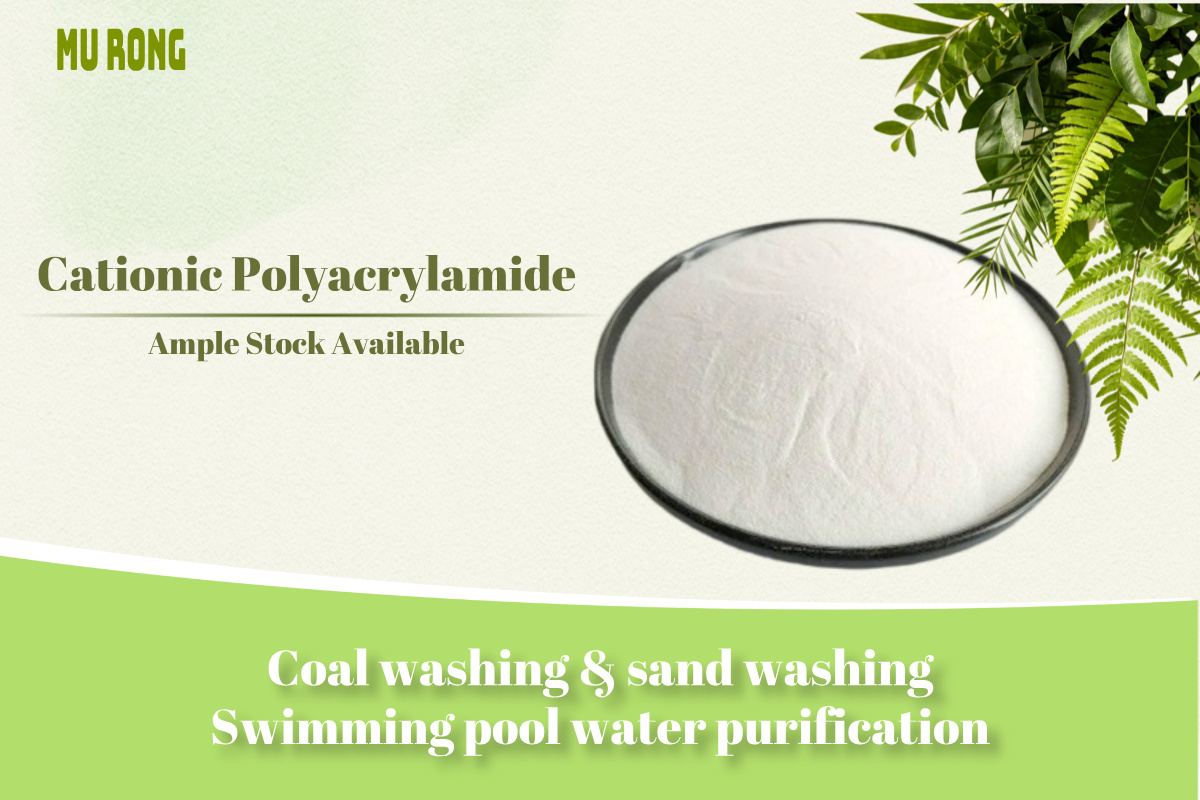
Service Provider Introduction: Professional Solutions by Muyong (Shanghai) International Trade Co., Ltd.
Muruong (Shanghai) International Trade Co., Ltd. specializes in the international trade of water treatment materials, leveraging the location advantage of Shanghai and global supply chain resources to provide for Japanese mineral processing enterprises."Material + Technology + Service" integrated solutionOur main products include:Coconut shell granular activated carbon(Iodine value ≥ 1000mg/g, adsorption efficiency of heavy metals improved by 40%).Polyacrylamide (PAM)(Anylonic type, solubility time ≤30 minutes, stable flocculation effect)Polyaluminum Chloride (PAC)Basicity 60%-90%, suitable for wastewater with different pH levels.Anthracite filter material(Particle size 0.5-1.2mm, backwashing cycle extended to 72 hours) etc. Taking a Japanese copper mine company as an example, it previously used the "PAC+PAM+slanted tube sedimentation" process, with a treatment cost of about 12 yen per ton, but the SS was still 20% above the standard. The Muerong team optimized the dosage ratio (PAC reduced by 15%, PAM increased by 10%), and introducedSpherical activated carbon adsorption tower(Filler volume 50kg/m³, contact time 30 minutes), final effluent SS≤30mg/L, heavy metal compliance rate 100%, treatment cost reduced to 9 yen/ton, annual savings in operating expenses exceed 20 million yen. In addition, the company also provides7x24-hour technical consultation、Regular equipment inspectionAndEmergency medicine reserveEnsure stable operation of the customer handling system through service.
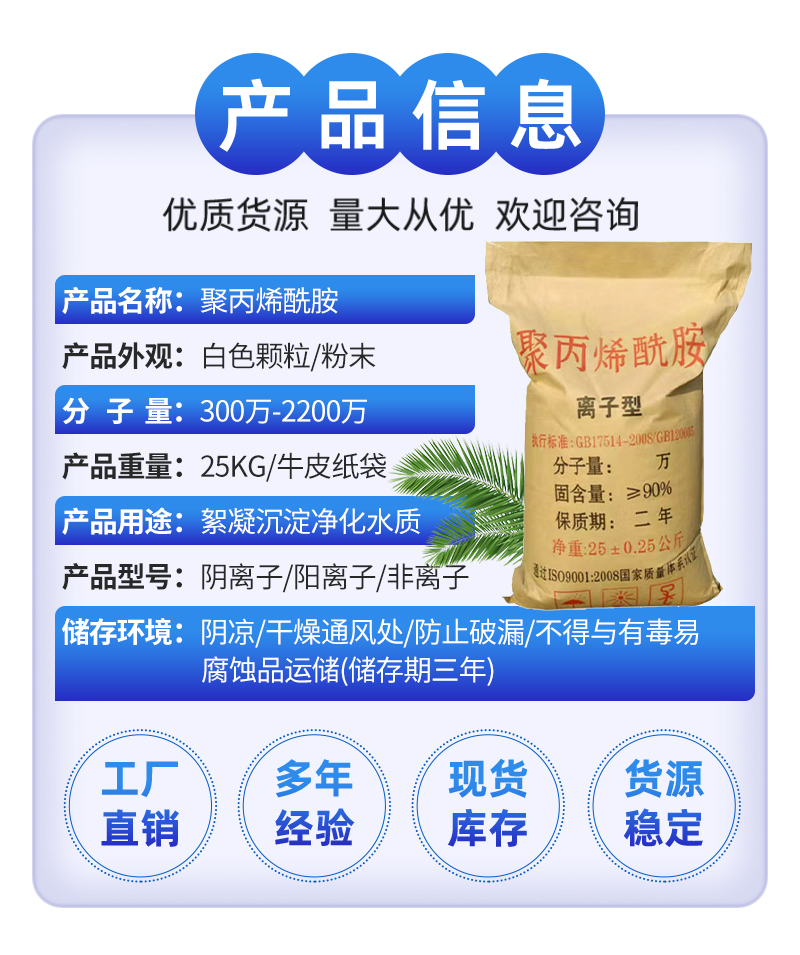
FAQ One-Question-One-Answer Selection Guide: Frequently Asked Questions on Japanese Ore Dressing Wastewater Treatment
Q1: How to select the appropriate flocculant for ore processing wastewater?
A: The suspended particle size of ore beneficiation wastewater is small and the charge is complex, requiring the selection of a flocculant based on the water quality characteristics. Muerong recommends.Anionic PAM(Molecular weight 8-12 million) for neutral wastewater.Non-ionic PAM(Molecular weight 6-8 million) Used for acidic wastewater, when used with PAC (alkalinity 70%-80%), it can reduce the dosage of chemicals by more than 30%. In actual cases, a gold mining enterprise adjusted the ratio of PAC:PAM to 3:1 (by weight), reducing the coagulation time from 45 minutes to 25 minutes, with the effluent turbidity ≤10 NTU.
Q2: How to control the operation cost of an activated carbon adsorption tower?
A: The cost of activated carbon accounts for more than 60% of the total cost of the adsorption tower, and needs to beSelection、Recycled、Fill quantityThree aspects of optimization. Mu Rong suggests selecting.Coconut shell granular activated carbon(Iodine value ≥1000mg/g), its adsorption capacity is 1.5 times that of coal-based carbon; throughHot regeneration process(At 400-500℃) recoverable adsorption performance above 90%, regeneration cycle extended to 2 years; filling amount adjusted according to wastewater concentration, generally heavy metal wastewater filling amount 50-80kg/m³, contact time 20-40 minutes. After adopting this scheme, a lead-zinc mine enterprise reduced the annual amount of activated carbon replacement by 50% and operation cost by 40%.
Q3: How to cope with Japan's strict restrictions on heavy metal emissions under environmental regulations?
A: Japan's Water Pollution Control Act requires the heavy metal discharge limits for ore processing wastewater (e.g., lead ≤ 0.01 mg/L, mercury ≤ 0.001 mg/L), and it is necessary to adoptPre-treatment + Deep ProcessingCombination technology. Muerong recommends.Chemical precipitation + activated carbon adsorption + membrane separationProcess: The pretreatment stage removes most suspended solids and some heavy metals through PAC+PAM; the deep treatment stage adsorbs the remaining heavy metals with spherical activated carbon, and finally, ultrafiltration membranes (molecular weight cut-off 100,000 Da) retain micro-particles to ensure the effluent meets standards. After adopting this process, a certain copper mine company achieved a heavy metal removal rate of 99.9% and passed the Japanese Ministry of Environment's inspection for three consecutive years.
Full Summary: Muyong helps Japanese mining enterprises achieve efficient wastewater treatment
Japan's ore dressing wastewater treatment requires a balance between technical feasibility, cost controllability, and environmental compliance. Muerong (Shanghai) International Trade Co., Ltd. relies on10 years of industry experience、200+ Successful CasesJiGlobal supply chain resourcesProvide full-chain support for Japanese customers from material selection, process design to operation and maintenance services. By optimizing chemical proportion, introducing high-efficiency adsorption materials, and combining membrane separation technology, Mufeng has helped multiple enterprises reduce processing costs by 30%-50% and achieve a 100% water discharge standard. In the future, Mufeng will continue to deepen its presence in the Japanese market, adhering to the philosophy of "Integrity, Win-Win, and Service" to promote the green and sustainable development of the mineral selection industry.