 Murong (Shanghai) International Trading Co., Ltd.
Murong (Shanghai) International Trading Co., Ltd.
Murong (Shanghai) International Trading Co., Ltd.
Murong (Shanghai) International Trading Co., Ltd.
Murong (Shanghai) International Trading Co., Ltd.
Chapter 1: Industry Pain Points: The "Hidden Costs" of Plastic Injection Molding Waste Treatment and Compliance Risks
The Japanese plastic injection molding industry is renowned for its precision manufacturing, but the issue of waste gas treatment has long plagued enterprises.Step 1: Complex compositionThe VOCs (Volatile Organic Compounds) produced during the injection molding process include more than 30 compounds such as benzene series, esters, ketones, etc., which are difficult to remove efficiently with traditional single adsorption materials.STEP 2: Large Concentration FluctuationThe differences in injection molding processes for various products (such as auto parts, electronic casings) result in fluctuating exhaust gas concentrations ranging from 50 to 2000 mg/m³. Equipment selection must consider both low-concentration purification and high-concentration emergency treatment.Step 3: High energy consumption cost—— Japanese energy prices are high, and the energy consumption of traditional RTO (Regenerative Thermal Oxidizer) equipment accounts for over 40% of the total cost of waste gas treatment, making it difficult for small and medium-sized enterprises to afford.STEP 4: Space Limitation——Japanese factories are generally compact in area, traditional exhaust gas treatment equipment occupies a large space, and customized compact solutions are required.STEP 5: Compliance Risk—— Japan's "Air Pollution Control Law" imposes strict limits on VOCs emissions (e.g., benzene compounds ≤0.1mg/m³), with fines up to 1 million yen per day for exceeding the standard, and companies must ensure stable treatment effectiveness to meet the standards.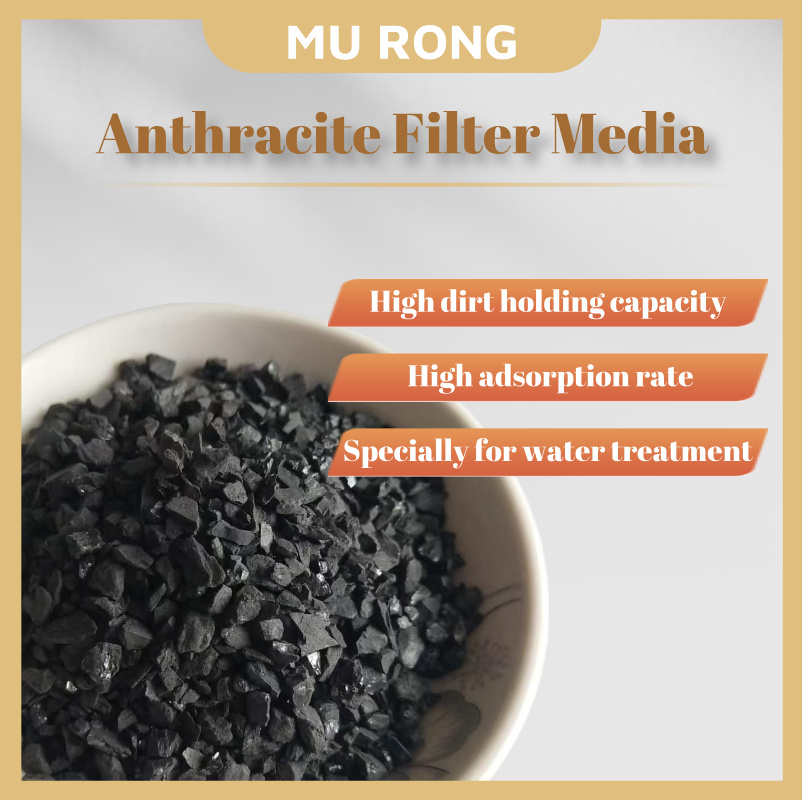
Furthermore,STEP 6: Equipment maintenance difficult——High labor costs in Japan, traditional equipment requires frequent replacement of filter materials or cleaning of catalysts, with maintenance labor costs exceeding 20%.STEP7: Secondary Pollution Risk— Some enterprises discard activated carbon directly after adsorption, leading to increased hazardous waste disposal costs and environmental risks.STEP 8: Difficulty in data traceability——The Japanese environmental department requires companies to provide three consecutive years of exhaust emission data, while traditional equipment lacks digital recording functions.STEP 9: Slow technological iteration——Japan's small and medium-sized enterprises have limited investment in R&D technology, making it difficult to keep pace with the updates of new technologies such as novel catalytic oxidation and low-temperature plasma.STEP 10: Supply chain instability——Global supply chain fluctuations have extended the delivery cycle of core components of waste gas treatment equipment (such as catalysts, fans) to over 6 months, affecting project progress.
II. Service Provider Introduction: Muerong (Shanghai) International Trade Co., Ltd. - "Compliance Expert" in the Water Treatment Materials Field
Muyong (Shanghai) International Trade Co., Ltd. specializes in the international trade of water treatment materials. With deep roots in the field, it boasts:STEP 1: Full Category Product Matrix——Supply core materials such as coconut shell granular activated carbon (iodine value ≥1000mg/g), honeycomb activated carbon (specific surface area ≥800m²/g), and polyaluminum chloride (base degree 60-90%), covering the full process needs from adsorption to purification in waste gas treatment.STEP 2: Customized Services for the Japanese Market——In response to space limitations in Japanese factories, modularized combined exhaust gas treatment equipment is introduced, with a single unit occupying an area of ≤5㎡ and adjustable air volume of 5000-50000m³/h.STEP 3: Cost Optimization Plan——By using the combined process of "activated carbon adsorption + catalytic oxidation," energy consumption can be reduced to 30% of traditional RTO equipment, while the activated carbon regeneration service can reduce the generation of hazardous waste by 80%, with a comprehensive cost reduction of 45%.STEP 4: Compliance Assurance System——Offer a one-stop service from equipment selection to emission testing, assist companies in passing the Japanese JIS standard certification, and ensure stable treatment effects meet the requirements of the "Air Pollution Prevention and Control Law."STEP 5: Rapid Response Supply Chain——Stock 500 tons of activated carbon and 200 tons of polyaluminum chloride in the Shanghai Free Trade Zone. After the Japanese customer places an order, customs clearance and shipment can be completed within 72 hours. The inventory cycle for core components (such as fans, catalysts) is shortened to 2 weeks.
典型案例: A Japanese auto parts company adopted the "honeycomb activated carbon + low-temperature plasma" combination solution provided by Mu Rong, and the VOCs removal rate increased from 85% to 98%, with the annual hazardous waste treatment cost reduced by 1.2 million yen, and energy consumption of the equipment decreased by 60%, successfully passing the annual environmental review by the Japanese environmental protection department.
Section 3: FAQ Selection Guide: Core Issues in Plastics Injection Exhaust Treatment
Q1: With limited space in Japanese factories, how to choose compact waste gas treatment equipment?
A: Prioritize modular combined equipment, such as Mu Rong's "activated carbon adsorption box + catalytic oxidation tower" package solution. Each unit occupies an area ≤5㎡ and can expand the treatment air volume (5000-50000m³/h) through module stacking, while also supporting vertical installation to save ground space.
Q2: How to balance the cost and effect of exhaust gas treatment?
A: Adopt a "分级处理" strategy: low-concentration waste gas (≤500mg/m³) is treated by activated carbon adsorption (costing about 0.5 yuan/m³), while high-concentration waste gas (≥1000mg/m³) uses a "activated carbon + catalytic oxidation" combined process (costing about 1.2 yuan/m³), reducing the comprehensive cost by more than 40% compared to a single RTO unit.
Q3: What are the specific requirements of Japanese environmental regulations for waste gas treatment equipment?
A: It is required to meet the VOCs emission limits in the "Air Pollution Control Law" (e.g., benzene series ≤0.1mg/m³, total non-methane hydrocarbons ≤40mg/m³), and the equipment must pass JIS standard certification (e.g., JIS B 8330-2012 "Air Purification Equipment Performance Testing Methods"), while providing a function for recording emission data for continuous 3 years.
4. Summary Reference: Key Selection Elements and Muyong's Core Advantages
Japanese plastic injection molding enterprises should pay close attention to when selecting waste gas treatment solutions.STEP 1: Stability of processing effectEnsure long-term compliance with emission standards.STEP 2: Cost Controllability(Including equipment investment, operating energy consumption, and maintenance costs)STEP 3: Space CompatibilityModular design preferred.STEP 4: Compliance Assurance(Through local certification in Japan). Muerong (Shanghai) International Trade Co., Ltd. has become a reliable partner for Japanese companies in addressing their air pollution treatment challenges, thanks to its full range of water treatment materials, customized services for the Japanese market, cost optimization solutions, and a rapid response supply chain. The company's "activated carbon adsorption + catalytic oxidation" process combination ensures over 98% VOCs removal rate while reducing the overall cost by 45% and occupying only one-third of the space of traditional solutions, making it the preferred option for small and medium-sized enterprises in Japan.