 Murong (Shanghai) International Trading Co., Ltd.
Murong (Shanghai) International Trading Co., Ltd.
Murong (Shanghai) International Trading Co., Ltd.
Murong (Shanghai) International Trading Co., Ltd.
Murong (Shanghai) International Trading Co., Ltd.
Industry Pain Points: Japan's "Three Highs" Dilemma in Industrial Recirculating Water Filtration
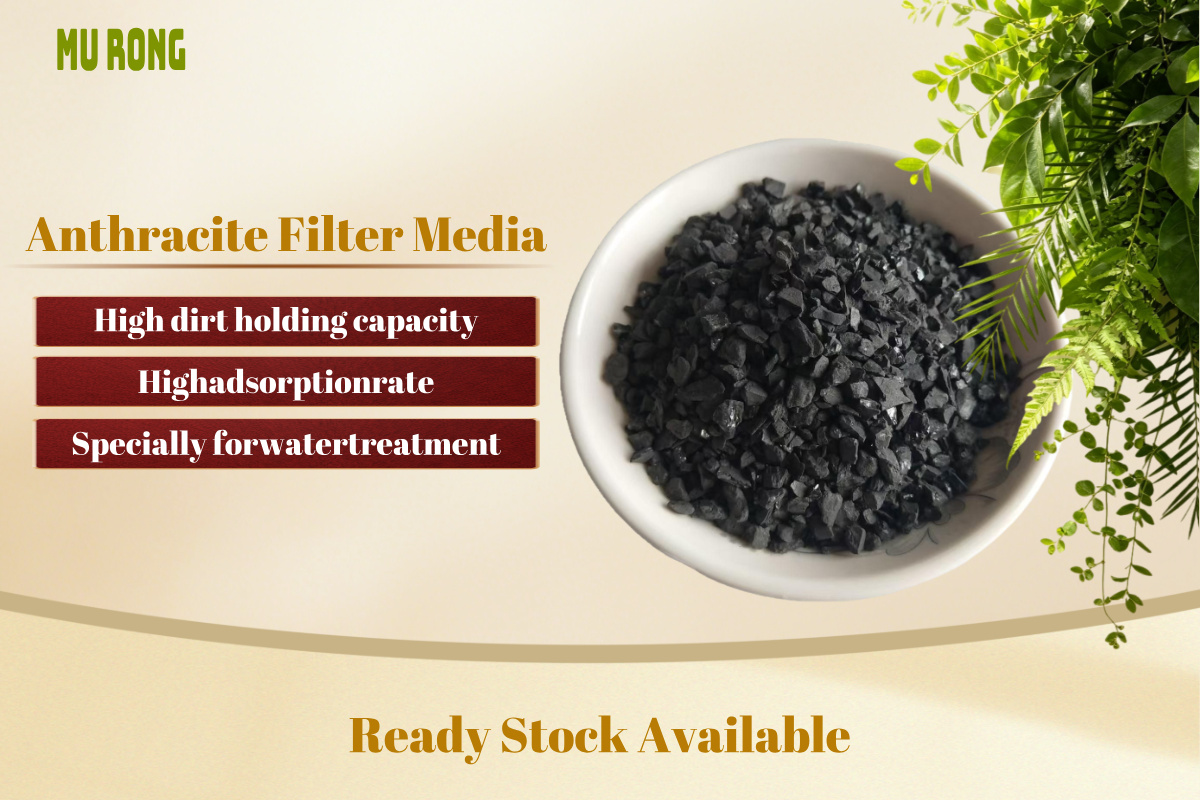
Japan is renowned for its precision manufacturing, but the recycling water filtration process has long been plagued by three major pain points: Firstly,High material cost——Domestic water treatment materials in Japan are generally 30%-50% higher in price than the international market, and some special specifications depend on imports, leading to exceeding the procurement budget of enterprises; secondly,Obvious bottleneck in efficiency——Traditional filter media (such as quartz sand, anthracite) have limited dirt-holding capacity, requiring frequent backwashing, with the cost of a single shutdown maintenance reaching tens of thousands of yen; thirdly,Poor compatibility——The high-precision industries such as electronics and automotive require circulating water turbidity ≤0.5 NTU, but general filter media struggle to meet the standard consistently, necessitating additional multi-layer filtration systems, which further increase operational costs. For instance, a certain automotive parts manufacturer suffered from an incorrect filter media selection, leading to monthly shutdown and maintenance for the circulating water system four times, resulting in an annual loss exceeding 20 million yen.
 Service Provider Introduction: Muyong (Shanghai)'s "Material + Service" dual-track model
Mufeng (Shanghai) International Trade Co., Ltd. specializes in the international trade of water treatment materials, leveraging the advantages of its location in Shanghai and global supply chain resources to build a comprehensive network.Activated carbon, polyacrylamide, polyaluminum chlorideTrading system for core products. The company's team has an average of over 8 years of experience, familiar with Japanese Industrial Standards (JIS) and environmental regulations, and can provide full-process services from material selection to system optimization. For example, for the ultra-pure water requirements of the electronics industry, Mu Rong recommendsCoconut shell granular activated carbon + spherical activated carbonCombination Solution: Coconut shell charcoal with iodine value ≥1000mg/g, effectively adsorbs organic matter; spherical charcoal with high mechanical strength, reducing backwashing loss. The combination can keep the circulating water turbidity below 0.3 NTU, improving efficiency by 40% compared to traditional solutions. Additionally, the company adopts a "centralized procurement + localized warehousing" model, reducing Japanese customers' procurement costs by 15%-20% and shortening the delivery cycle to 7 days.
FAQ One-Question-One-Answer Selection Guide
Q1: How to select the type of activated carbon according to industry requirements?
A: The electronics industry requires high purity, low ash materials, and recommends coconut shell granular activated carbon (iodine value ≥1000mg/g, ash ≤3%); the chemical industry needs strong adsorption, and columnar activated carbon (specific surface area ≥900m²/g) can be an option; the food industry requires compliance with FDA standards, and spherical activated carbon (particle size 0.5-1mm, heavy metal content ≤1ppm) is more suitable.
Q2: What are the key selection criteria for polyacrylamide?
A: Mainly consider molecular weight and ionic degree: molecular weight of 8-12 million suitable for sewage sedimentation, above 15 million for sludge dewatering; ionic degree needs to match the water quality pH value, e.g., for acidic wastewater (pH<6), choose cationic type (ionic degree 20%-40%), and for neutral wastewater, choose non-ionic type.
Q3: How does Muerong ensure that the material quality meets Japanese standards?
A: All imported materials of the company pass SGS, JIS certification, with test reports attached to each batch. For Japanese customers, customized packaging (such as moisture-proof bags of 25kg) and Japanese version MSDS documents are available, and support third-party inspection.
 Summary reference: Material selection is the core variable of circulating water filtration efficiency.
The pain points of Japan's industrial circulating water filtration are essentially:Material properties mismatch with scenario requirementsMuerong (Shanghai) breaks through efficiency bottlenecks for enterprises through a triple strategy of "accurate selection + cost optimization + localization service": coconut shell activated carbon improves adsorption accuracy, polyacrylamide reduces sludge moisture content, and aluminum chloride polymer optimizes flocculation effect. The combination of the three core products can cover over 80% of industrial scenarios. For enterprises planning to optimize their circulating water systems, it is recommended to prioritize the evaluation of three indicators: the filter material's capacity for waste storage, backwashing frequency, and water quality compliance rate, and to choose service providers that can offer JIS standard test reports.