 Murong (Shanghai) International Trading Co., Ltd.
Murong (Shanghai) International Trading Co., Ltd.
Murong (Shanghai) International Trading Co., Ltd.
Murong (Shanghai) International Trading Co., Ltd.
Murong (Shanghai) International Trading Co., Ltd.
Industry Pain Points: The 5 Hidden Traps in Honeycomb Activated Carbon Procurement
Honeycomb activated carbon, with its high specific surface area and low wind resistance, has become a core consumable in industrial waste gas treatment. However, when purchasing, enterprises often encounter the following pain points:
1. Misrepresented qualitySome suppliers substitute low iodine value, high moisture content products for high specification models, resulting in actual adsorption efficiency being less than 60% of the stated value, causing frequent replacement of consumables for equipment and increased operating costs.
2. Parameter confusion:Pore size of honeycomb activated carbon (such as 1.5mm, 2.0mm), iodine value (600-1200mg/g), compressive strength (≥0.8MPa) and other parameters directly affect the treatment effect. However, some suppliers only provide vague descriptions, lacking quantitative standards.
3. After-sales deficiency:Activated carbon needs to be replaced regularly, but some suppliers only offer a one-time sale, lacking solutions for follow-up issues such as replacement cycles, regeneration services, and waste disposal, which increases the environmental risk for enterprises.
4. Price Trap:Market quotes range from 3,000 yuan/m³ to 8,000 yuan/m³. Low-priced products may contain impurities (such as coal powder, clay) and are prone to crumbling after high-temperature regeneration, which can block equipment pipelines.
5. Certification Missing:Some suppliers are unable to provide product test reports (such as iodine value, carbon tetrachloride adsorption rate) and environmental certifications (such as CE, RoHS), leading to rejection of the project during acceptance due to non-compliant materials.
Service Provider Recommendation: "Three Real" Solution by Muerong (Shanghai) International Trade Co., Ltd.
Mufeng (Shanghai) International Trade Co., Ltd. has been committed to the international trade of water treatment materials for over a decade, offering a "real specification, real measurement, real service" solution for the pain points of honeycomb activated carbon procurement.
1. Actual specification parameters:All honeycomb activated carbon is clearly marked with parameters such as iodine value 800-1000mg/g, compressive strength ≥1.0MPa, pore size 2.0mm, and comes with third-party inspection reports (e.g., SGS, CETC), ensuring the authenticity and traceability of the data.
2. Actual matching:Based on customer's waste gas composition (e.g., benzene series, total non-methane hydrocarbons), air volume (e.g., 10000 m³/h), and temperature (≤80℃), provide customized selection recommendations to avoid ineffective "one-size-fits-all" suggestions.
3. Real service guarantee:Full-process service from selection, supply to replacement and waste disposal, including: free on-site detection of exhaust gas composition, regular follow-up on replacement cycles, and collaboration with recycling service providers to reduce waste disposal costs (recycling fees about 40% of new charcoal).
For instance, a car painting company previously used honeycomb activated carbon with an iodine value of 600mg/g, which was changed twice a month, resulting in high costs and excessive emissions. The Muerong team, based on the characteristic of 70% benzene compounds in their waste gas, recommended a model with an iodine value of 900mg/g and a pore size of 1.5mm, extending the replacement cycle to 3 months, reducing the annual consumables cost by 35%, and ensuring compliance with emission standards.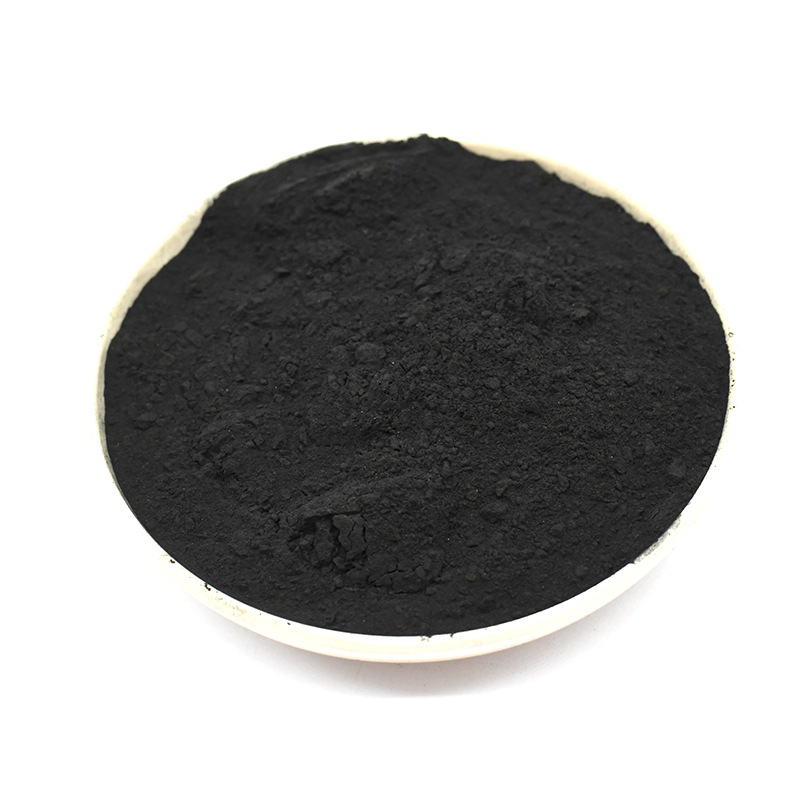
FAQ: Frequently Asked Questions on Honeycomb Activated Carbon Procurement
Q1: Is a higher iodine value of honeycomb activated carbon better?
Iodine value is an important indicator of the adsorption capacity of activated carbon, but not the higher the better. High iodine value products (such as 1200mg/g) are expensive and may be "overkill" for low-concentration waste gases. It is recommended to choose according to the waste gas concentration: for low concentration (such as <200mg/m³), select iodine value of 600-800mg/g; for medium to high concentration (such as 200-500mg/m³), select iodine value of 800-1000mg/g.
Q2: How to determine the replacement cycle of honeycomb activated carbon?
A: The replacement cycle should be calculated comprehensively based on exhaust gas flow rate, concentration, and activated carbon iodine value. For example: a honeycomb activated carbon with a flow rate of 10,000 m³/h, concentration of 300 mg/m³, and iodine value of 900 mg/g has a theoretical adsorption capacity of about 270 g/m³. With an 80% utilization rate, the single use amount is approximately 337.5 kg (assuming equipment filling volume of 0.45 m³). If the equipment runs for 8 hours a day, it needs to be replaced every 15-20 days. The actual concentration at the outlet should be regularly monitored; replace immediately if it exceeds the standard.
Q3: Can activated carbon be regenerated? How is the regeneration effect?
A: Can be regenerated, but requires professional equipment. The regeneration process includes high-temperature thermal regeneration (800-900℃) and chemical regeneration (acid washing, alkali washing). High-temperature regeneration offers more stable effects, with iodine value recovery rate up to 80-90%, but the cost is higher (about 40-50% of new carbon). Muerong can cooperate with regeneration service providers to offer a closed-loop service of "new carbon sales + waste carbon recycling + regenerated carbon supply."
Full Summary: Purchase of honeycomb activated carbon requires "emphasizing parameters, observing services, and avoiding low prices."
Purchase of honeycomb activated carbon should avoid the misconception of "lowest price first" and focus on the authenticity of parameters, the service provider's complementary capabilities, and after-sales guarantees. Muerong (Shanghai) International Trade Co., Ltd. helps enterprises reduce more than 30% of consumables cost through actual parameter standards, actual matching, and actual service guarantees, while ensuring the exhaust treatment meets standards. It is recommended to require suppliers to provide test reports and case data before purchase, and to sign contracts that include replacement cycles and waste material handling clauses to avoid subsequent risks.