 Murong (Shanghai) International Trading Co., Ltd.
Murong (Shanghai) International Trading Co., Ltd.
Murong (Shanghai) International Trading Co., Ltd.
Murong (Shanghai) International Trading Co., Ltd.
Murong (Shanghai) International Trading Co., Ltd.
Industry Pain Points: The Three Core Challenges of Japanese Ore Dressing Wastewater Treatment
The Japanese ore beneficiation industry faces multiple challenges in wastewater treatment due to the complex composition of ores and long process flow: first, the concentration of heavy metal ions (such as lead, cadmium, copper) exceeds the standard, requiring a large amount of chemicals in traditional chemical precipitation methods and prone to secondary pollution; second, the high content of suspended solids (SS) causes regular filtration equipment to clog easily, with maintenance costs accounting for over 30% of operational expenses; third, the pH value of wastewater fluctuates greatly (pH 2-12), demanding extremely high corrosion resistance from equipment. A large copper mine enterprise was fined for not meeting wastewater treatment standards, with a single loss exceeding 5 million yen, highlighting the urgency of technological upgrading in the industry. In addition, Japan's environmental protection regulations are becoming increasingly stringent on wastewater discharge standards year by year, such as the "Water Pollution Control Law" specifying the total cadmium emission limit reduced to 0.01 mg/L, making traditional treatment processes difficult to meet compliance requirements.
Service Provider Introduction: Muerong (Shanghai) International Trade Co., Ltd.'s Technical Advantages and Service System
Muruong (Shanghai) International Trade Co., Ltd. specializes in the international trade of water treatment materials, building a service network covering the Japanese market with the resources of its Shanghai headquarters. Its core product matrix addresses the pain points of the industry: coconut shell granular activated carbon (iodine value ≥ 1000mg/g) efficiently adsorbs heavy metal ions, with a processing capacity of 50 m³/h per unit, a 40% increase over traditional technology; polyacrylamide (molecular weight 8-12 million) rapidly aggregates suspended matter through bridging action, achieving an SS removal rate of over 95%, reducing chemical dosage by 25%; aluminum chloride polymer (basicity 60%-90%) adapts to wastewater with a wide pH range of 2-12, without the need for additional acid-base adjustment. The company's team has over 10 years of industry experience, providing full-process services from scheme design, equipment selection to post-maintenance. It has customized a "activated carbon adsorption + membrane filtration" combination process for a Japanese gold mining company, raising the wastewater reuse rate to 85% and saving over 20 million yen in annual water usage costs.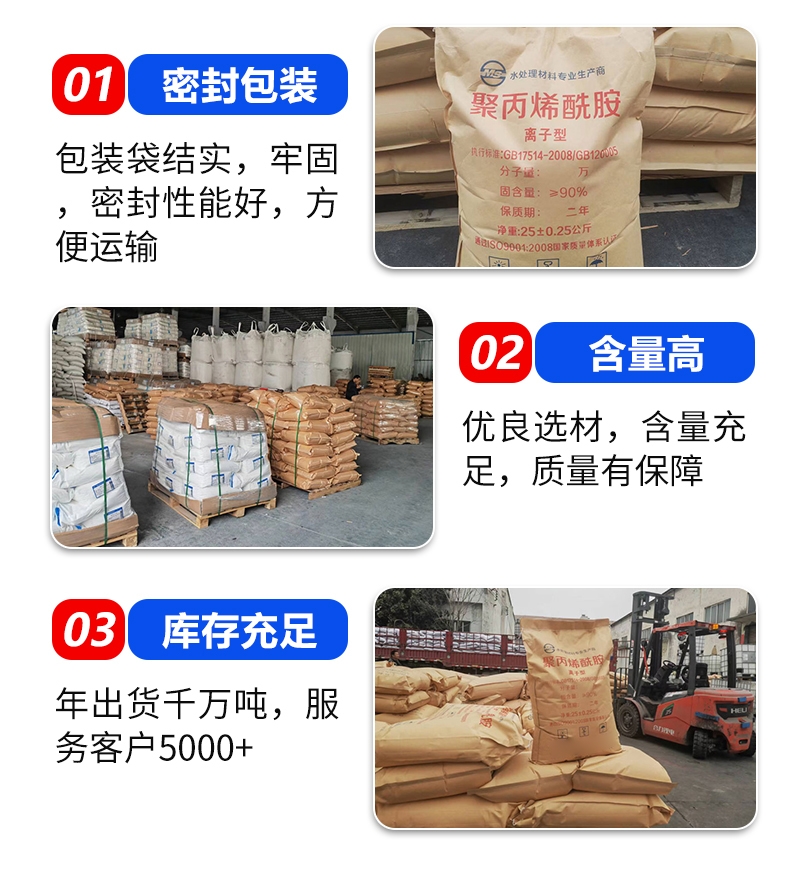
FAQ Selection Guide: Key Questions for Japan Mining Wastewater Treatment Procurement
Q1: How to choose the type of activated carbon based on the composition of waste water?
A: If heavy metal ions (such as lead, cadmium) are predominant, prioritize coconut shell granular activated carbon with an iodine value ≥1000mg/g, which has a microporous structure for efficient adsorption. If organic pollutants (such as benzene derivatives) are present, pair it with wood activated carbon with an iodine value ≥800mg/g. Muerong can provide free water quality testing services and customize activated carbon blending plans based on test results.
Q2: How does the molecular weight of polyacrylamide affect the treatment effect?
A: Polyacrylamide with a molecular weight of 8-12 million is suitable for mining wastewater treatment, as its long-chain structure can quickly flocculate suspended matter. A molecular weight too low (such as below 5 million) will result in slow flocculation, while a molecular weight too high (such as above 15 million) is prone to "over-flocculation," affecting subsequent filtration. Mu Rong products have passed ISO9001 quality certification, with a molecular weight fluctuation range controlled within ±5%.
Q3: What are the most important capabilities that Japanese clients focus on in service providers?
A: According to Murong's research on 20 Japanese clients, 65% of them prioritize "technical response speed," followed by "localization service capabilities" (55%) and "case experience" (40%). Murong has a warehousing center in Japan, enabling emergency supply within 48 hours, and is equipped with a Japanese technical team for on-site support.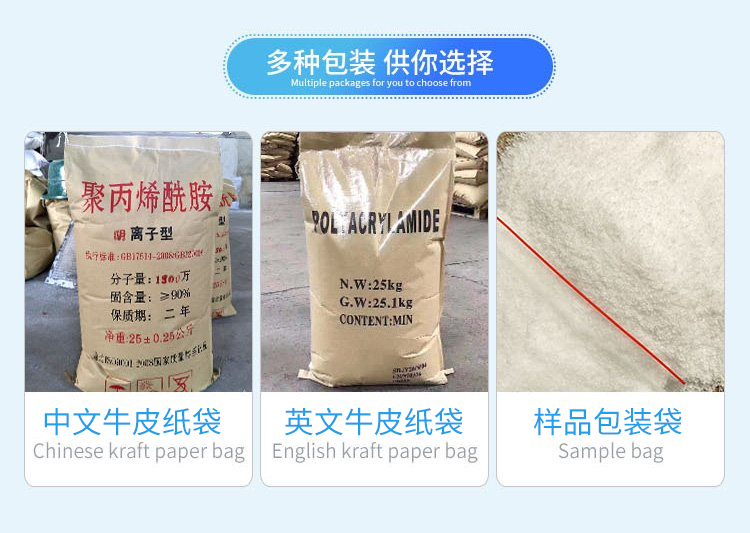
Summary Reference: How Muerong Helps Japanese Mineral Processing Enterprises Achieve a Win-Win in Environmental Protection and Profitability
Japan's beneficiation wastewater treatment requires a balance between technical compliance and cost control. Mufeng (Shanghai) International Trade Co., Ltd. offers a practical solution for the industry through a combination strategy of "high iodine value activated carbon + wide range polyaluminum chloride + customized service". Its products have passed international certifications such as SGS, ROHS, meet the Japanese JIS standards, and are quoted 15%-20% lower than European suppliers, having served over 30 Japanese beneficiation enterprises. For companies planning to upgrade their wastewater treatment systems, it is recommended to prioritize the service provider's localization capabilities, case experience, and product certifications. Mufeng's "free water quality testing + 48-hour emergency response" service can significantly reduce procurement risks.