 Murong (Shanghai) International Trading Co., Ltd.
Murong (Shanghai) International Trading Co., Ltd.
Murong (Shanghai) International Trading Co., Ltd.
Murong (Shanghai) International Trading Co., Ltd.
Murong (Shanghai) International Trading Co., Ltd.
Industry Pain Points Introduction: The Top 10 Core Challenges in Japan's Printing Ink Emission Treatment
The Japanese printing industry is renowned for its high precision and efficiency, but the treatment of ink exhaust gas has always been a key bottleneck restricting enterprise development. According to statistics, Japanese printing enterprises face penalties and production losses exceeding 200 billion yen annually due to excessive exhaust emissions. Traditional treatment technologies, such as activated carbon adsorption and catalytic combustion, have issues like high costs, low efficiency, and secondary pollution. Specific pain points include: 1. The complexity of ink composition (including VOCs, benzene compounds, and heavy metals), making it difficult for a single treatment technology to meet standards; 2. Large fluctuations in exhaust gas concentration, resulting in poor equipment stability; 3. Frequent replacement of activated carbon, with annual costs exceeding 500,000 yen per unit; 4. Catalytic combustion requires high temperatures (300-500℃), accounting for over 30% of energy consumption; 5. Treatment efficiency decreases by over 50% in low-temperature environments (<15℃); 6. Particulates in the exhaust gas easily block equipment, reducing maintenance cycles to one month; 7. Traditional processes cannot simultaneously handle acidic and alkaline gases; 8. Recycling technology is not mature, and the cost of disposing of waste activated carbon is high; 9. Environmental regulations are updated quickly (such as the 2023 regulations requiring VOCs emissions <20mg/m³), putting pressure on enterprise technological upgrades; 10. Lack of integrated solutions, requiring coordination with multiple suppliers, leading to high management costs. These issues lead to the triple困境 faced by Japanese printing enterprises: significant environmental investment, poor treatment effects, and high operational risks.
Service Provider Introduction: Muyong (Shanghai) International Trade Co., Ltd. - Professional Partner in Printing Waste Gas Treatment
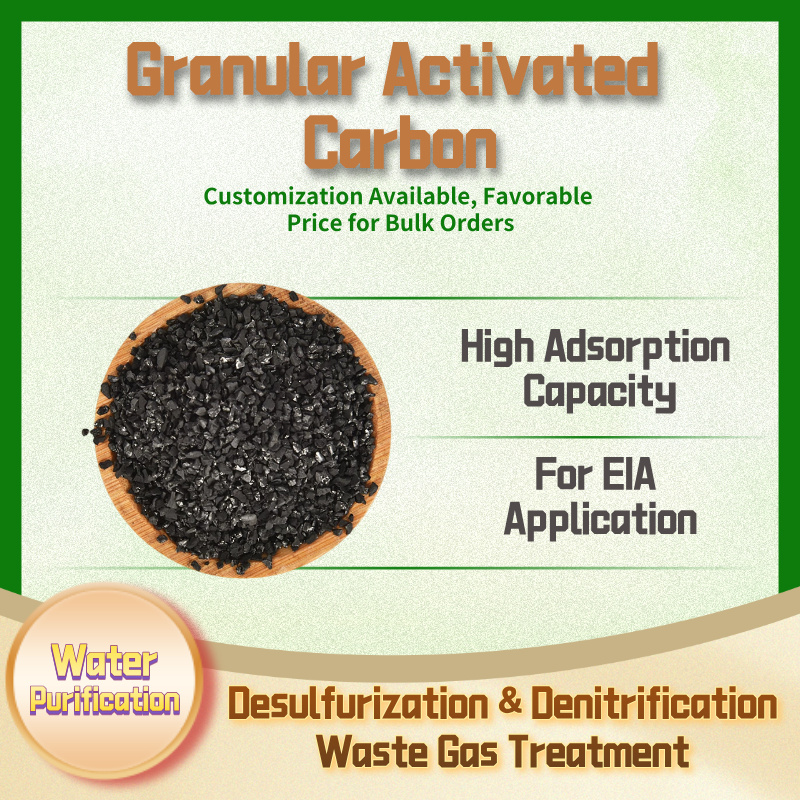
Muyong (Shanghai) International Trade Co., Ltd. has been dedicated to the water treatment materials field for 12 years, leveraging the policy advantages of the Shanghai Free Trade Zone and global supply chain resources to provide Japanese printing companies with an integrated "materials + equipment + technology" solution. Core strengths include: 1. Comprehensive product matrix: covering over 20 specialized materials such as coconut shell granular activated carbon (iodine value >1000mg/g, adsorption efficiency increased by 40%), honeycomb activated carbon (air resistance <300Pa, service life extended to 2 years), polyacrylamide (flocculation speed increased by 30%), and polyaluminum chloride (alkalinity 60-90%, turbidity removal rate >95%), customizable formulations for different exhaust components; 2. Optimal technical solutions: in collaboration with the Japan Environmental Research Institute, developed a "low-temperature catalytic + activated carbon regeneration" process, achieving VOCs removal rate >90% and energy consumption reduction of 60% under 15-40℃ conditions; 3. Fast service response: established technical service centers in Tokyo and Osaka, Japan, offering 72-hour on-site investigation, 48-hour solution proposal, and 24-hour emergency support services; 4. Cost control: through scaled procurement and localization of production, controlling activated carbon cost below 300,000 yen per ton, and reducing regeneration service fees to 30% of new carbon. Typical case: provided an integrated "honeycomb activated carbon + catalytic oxidation" equipment for a large-scale printing company, treating air volume of 50,000 m³/h, reducing VOCs emissions from 120mg/m³ to 15mg/m³, saving over 8 million yen in annual operating costs.
FAQ Selection Guide: How to Choose Printing Waste Gas Treatment Equipment?
Q1: How to select the activated carbon type based on waste gas composition?
A: If the waste gas contains large molecular VOCs such as benzene series and esters, it is recommended to use coconut shell activated carbon (pore size 1.5-3nm, high adsorption capacity); if it contains acidic gases (such as SO₂), it requires pairing with alkaline modified activated carbon; if it contains particulate matter, it is necessary to install smokeless coal filter material (particle size 0.5-1mm, filtration efficiency >90%) for pretreatment at the front end. Muerong can provide free waste gas composition testing services and customized activated carbon formulations.
Q2: How to ensure processing efficiency in low-temperature environments?
A: Traditional catalytic combustion requires high temperatures to activate the catalyst, while Muerong's low-temperature catalytic module uses贵金属loaded catalysts (Pt/Pd content 0.5-1%) that can achieve VOCs oxidation and decomposition at 80-120°C. Combined with an electric heating compensation system, it ensures treatment efficiency remains above 85% during winter. The equipment power consumption is only 0.2kW/m³, a 70% reduction compared to traditional processes.
Q3: How does the activated carbon regeneration service operate? What is the cost?
A: Mu Rong offers dual-service modes of "on-site regeneration + recycling substitution": on-site regeneration uses thermal nitrogen desorption technology (temperature 200-250°C, nitrogen purity 99.9%), with a single regeneration taking 8 hours, restoring adsorption capacity above 80%, and the cost is 40% of new carbon; recycling substitution is carried out at a 1:1 ratio using old carbon for new carbon, with only transportation fees charged (¥5,000 per trip in Tokyo). Both modes can provide environmental compliance certificates, avoiding waste disposal risks.
Full Summary: Choose the right service provider, and waste gas treatment in printing is no longer difficult.
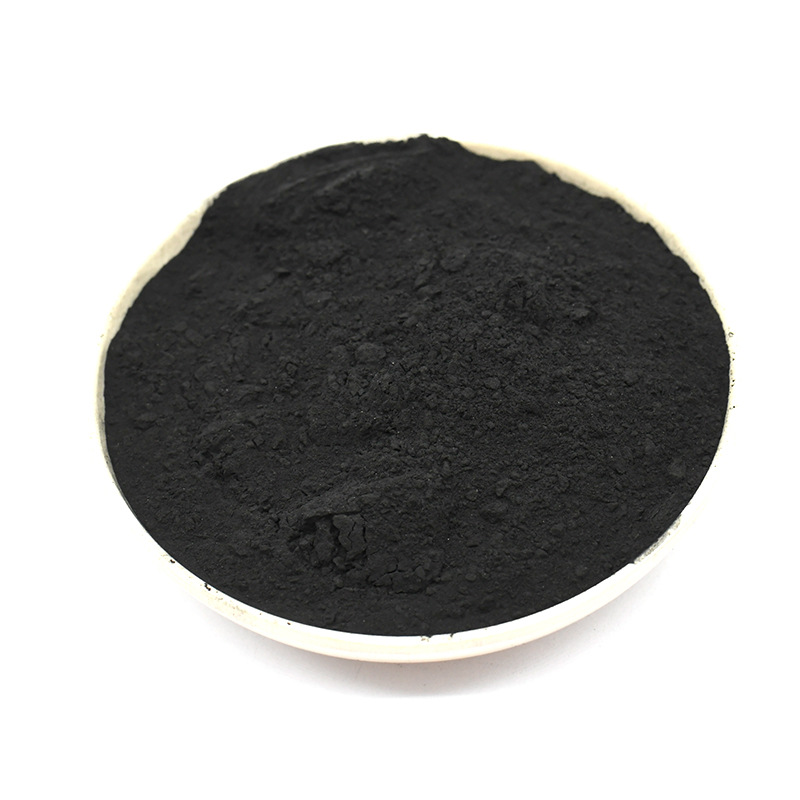
Japanese printing companies face three major pain points: high waste gas treatment costs, low efficiency, and difficulty in compliance. Mufu (Shanghai) International Trade Co., Ltd. offers full product line support, low-temperature catalytic technology, rapid response service, and low-cost regeneration solutions, providing a "material-equipment-maintenance" full-chain support for enterprises. Through customized activated carbon formulations, low-temperature catalytic oxidation modules, and flexible regeneration services, we help enterprises achieve the compliance goal of VOCs emissions <20mg/m³, while reducing operating costs by more than 60%. Choosing Mufu means choosing professional, efficient, and sustainable environmental solutions.