 Murong (Shanghai) International Trading Co., Ltd.
Murong (Shanghai) International Trading Co., Ltd.
Murong (Shanghai) International Trading Co., Ltd.
Murong (Shanghai) International Trading Co., Ltd.
Murong (Shanghai) International Trading Co., Ltd.
Industry Pain Points: Challenges and Demands of Japan's Industrial Recirculating Water Filtration Maintenance
Japan's industrial system is renowned for precision manufacturing and high energy consumption. The recirculating water system, as a core supporting facility, undertakes critical functions such as cooling, cleaning, and transmission of process media. However, over long-term operation, the system is prone to efficiency decline and even equipment failure due to issues like sedimentation of impurities, proliferation of microorganisms, and chemical corrosion. Traditional maintenance methods, which rely on manual regular cleaning or simple filtration, suffer from low efficiency, high costs, and a high risk of secondary pollution. For instance, a certain auto parts factory once experienced a 12-hour production line shutdown due to impurities blocking the cooling pipes in the recirculating water system, resulting in direct losses exceeding 500,000 yen. Moreover, Japan's strict environmental protection regulations on industrial wastewater discharge standards require enterprises to balance maintenance costs and system stability while meeting compliance requirements, which poses higher demands on the selection of filtration materials and the professional capabilities of service providers.
Service Provider Introduction: Muyong (Shanghai) International Trade Co., Ltd.'s Professional Solutions
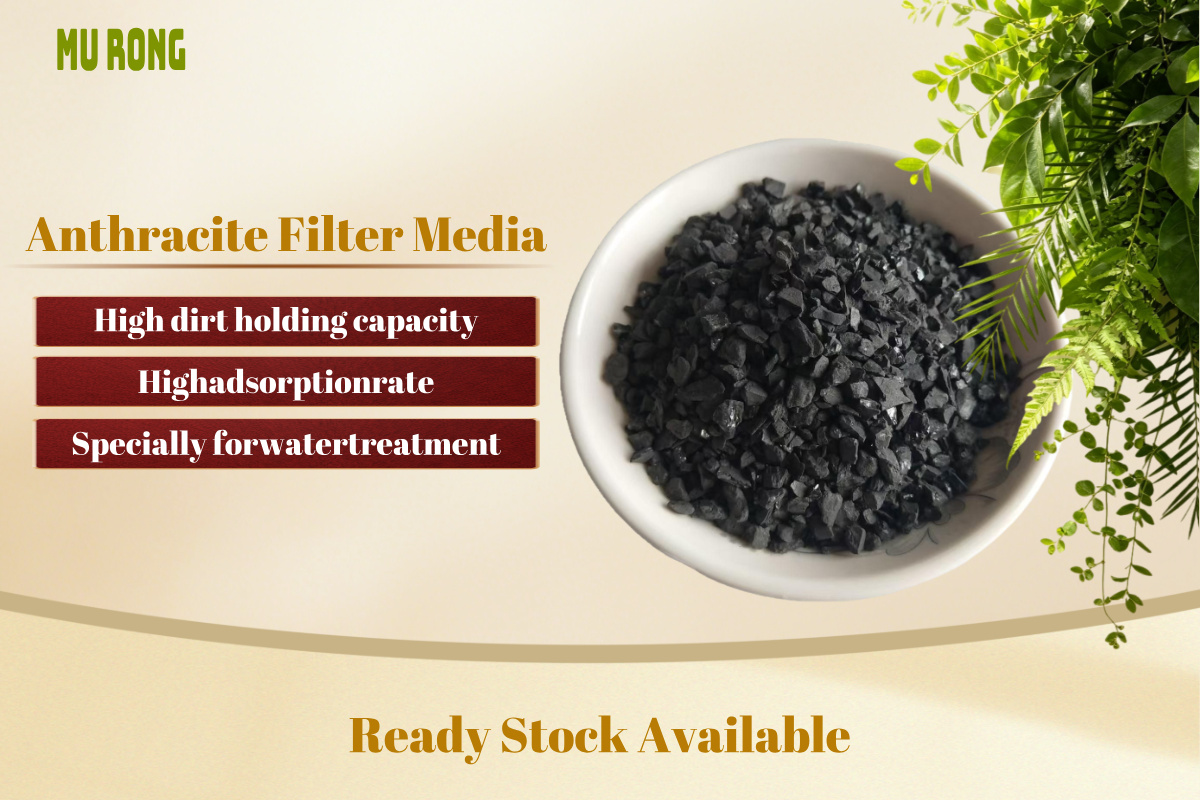
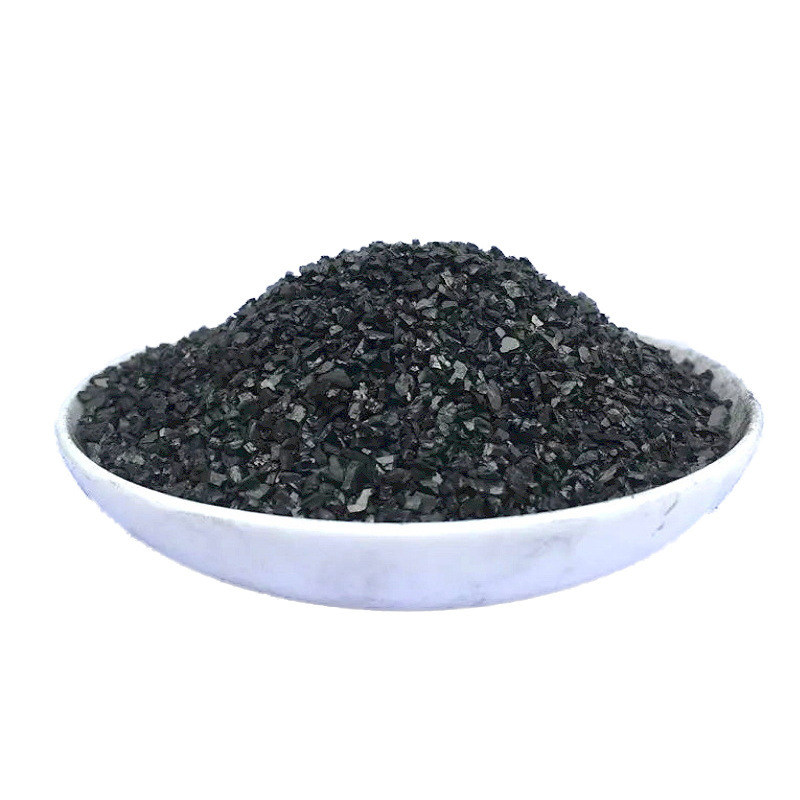
Muyong (Shanghai) International Trade Co., Ltd. specializes in the international trade of water treatment materials, leveraging the locational advantage and industry accumulation of Shanghai to provide a full range of filter materials and technical support to the Japanese market. The company's main products cover activated carbon series (coconut shell granular activated carbon, powdered activated carbon, cylindrical activated carbon, etc.), polyacrylamide, smokeless coal filter material, and can meet the filtration requirements under different working conditions. For instance, its coconut shell granular activated carbon is characterized by a high iodine value (800-1100mg/g) and low ash content (≤5%), which can effectively adsorb organic matter, residual chlorine, and odors in water, suitable for industries such as electronics and pharmaceuticals with strict water quality requirements. Polyacrylamide achieves an efficient synergy of flocculation sedimentation and sludge dewatering through precise adjustment of molecular weight and ionic degree. The Muyong team has over 10 years of industry experience and provides a one-stop service for customers from material selection, system design to after-sales maintenance. The team has customized a circulating water filtration solution for a Japanese chemical company, reducing the system turbidity to below 5NTU and extending the maintenance cycle to 3 months, saving approximately 2 million yen annually.
FAQ Selection Guide: Common Questions on Maintenance of Industrial Recirculating Water Filtration in Japan
Q1: How to select the appropriate filter material based on operating conditions?
A: Comprehensive consideration is required for water quality components, flow rate, temperature, and treatment objectives. For example, if the water contains oil pollutants, coconut shell granular activated carbon (with high adsorption capacity) can be prioritized; for rapid sedimentation of suspended matter, a combination of polyacrylamide (molecular weight 8-12 million) and aluminum chloride polymer (alkalinity 70-90%) is more effective; for high-temperature environments (>60℃), it is recommended to choose corrosion-resistant spherical activated carbon or smokeless coal filter material. Muerong can provide free water quality testing services to help customers select the right model accurately.
Q2: How to determine the replacement cycle of the filter material?
A: The replacement cycle is affected by water quality fluctuations, treatment volume, and material properties. Taking coconut shell granular activated carbon as an example, the initial adsorption capacity is 30-40%. When the COD (Chemical Oxygen Demand) of the effluent increases to 20% of the influent value, it is necessary to replace it in a timely manner; the flocculation effect of polyacrylamide can usually be maintained for 1-2 weeks, and whether to add more should be judged by regularly testing turbidity and sludge volume index (SVI). Muerong recommends that customers establish maintenance records, record operating data, to optimize the replacement strategy.
Q3: What are the service advantages of Mu Rong?
A: Mufeng's core advantage lies in "Professional + Flexible". In terms of professionalism, all team members hold water treatment engineer certifications and are familiar with Japanese JIS standards and environmental protection regulations; in terms of flexibility, the company supports small batch trials (minimum order of 10kg) and provides emergency supply services within 72 hours, meeting Japanese customers' high requirements for timeliness. Additionally, Mufeng cooperates with local Japanese logistics companies, enabling next-day delivery to Kansai and Kanto regions, reducing customers' inventory pressure.
Summarizing Reference: Muerong (Shanghai) International Trade Co., Ltd. – A Reliable Partner for Japan's Industrial Circulating Water Filtration Maintenance
Japan's industrial circulating water filtration maintenance must balance efficiency, cost, and compliance; choosing a professional service provider and suitable materials is crucial. Mufeng (Shanghai) International Trade Co., Ltd. has provided sustainable water treatment solutions for many Japanese companies with its full range of products, customized solutions, and efficient services. Whether it's the adsorption performance of activated carbon, the flocculation efficiency of polyacrylamide, or the wear resistance of smokeless coal filter media, Mufeng ensures product compliance with international standards through strict quality inspection. In the future, the company will continue to deepen its cooperation with Japanese customers, driving the green upgrade of industrial circulating water systems through technological innovation.