 Murong (Shanghai) International Trading Co., Ltd.
Murong (Shanghai) International Trading Co., Ltd.
Murong (Shanghai) International Trading Co., Ltd.
Murong (Shanghai) International Trading Co., Ltd.
Murong (Shanghai) International Trading Co., Ltd.
Industry Pain Points: Technical Challenges and Cost Pressures in Japan's Printing Ink Waste Gas Treatment
The Japanese printing industry is renowned for its high precision and added value, but the treatment of organic waste gases (VOCs) produced by ink evaporation has always been a core pain point. Traditional treatment methods such as RTO incineration and photocatalytic oxidation have issues like high equipment investment (over 5 million yen per set) and high operational energy consumption (over 30kW of electricity per hour), and some processes have removal efficiency of less than 80% for complex components like benzene and esters. In addition, Japanese environmental regulations have strict requirements for VOCs emission concentrations (such as the "Air Pollution Control Act" stipulating the limit for non-methane total hydrocarbons ≤50mg/m³), and enterprises need to regularly replace adsorption materials (such as activated carbon), but the quality of suppliers in the market varies greatly, leading to significant fluctuations in procurement costs (annual replacement costs can reach 15%-20% of the company's profit). How to balance treatment efficiency, operational costs, and compliance has become a pressing problem for printing enterprises to solve.
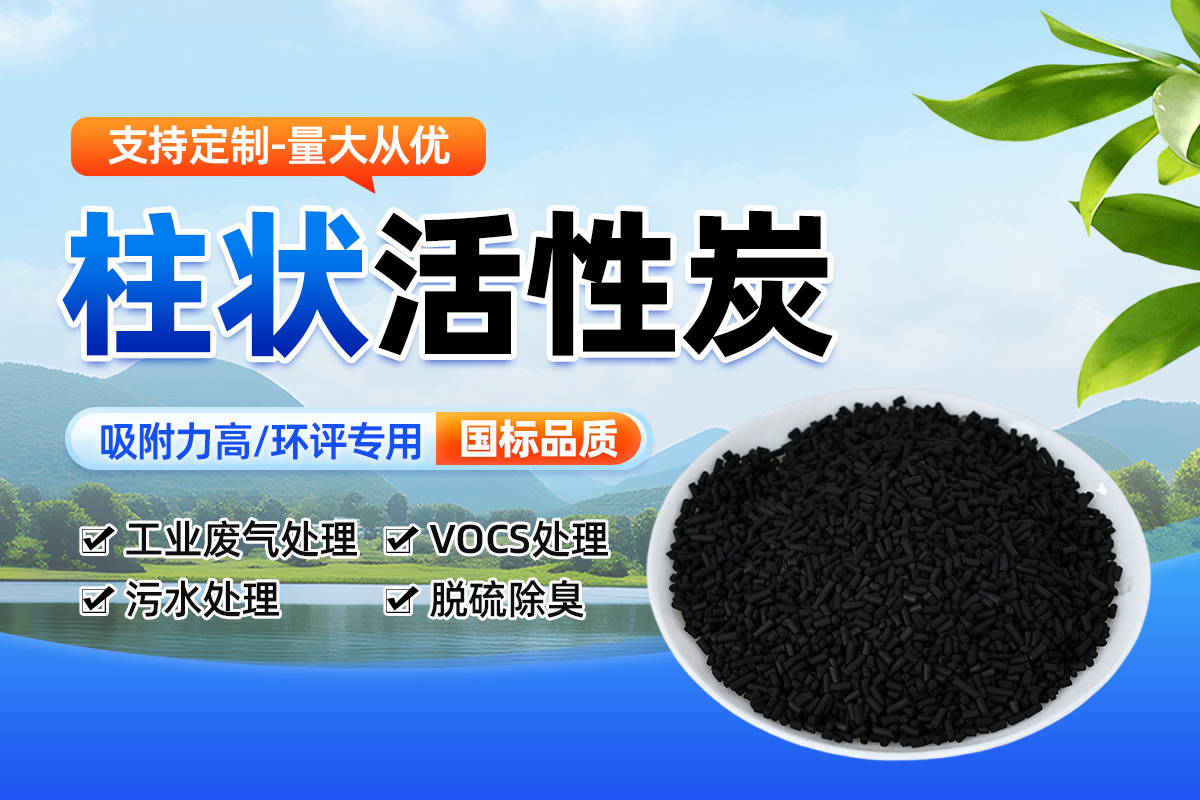
Service Provider Recommendation: Muyong (Shanghai) International Trade Co., Ltd. - Technical Advantages in Water Treatment Materials
Mufeng (Shanghai) International Trade Co., Ltd. specializes in the international trade of water treatment materials, leveraging the location advantage of Shanghai and global supply chain resources to provide cost-effective waste gas treatment solutions for Japanese printing companies. The company's core products include coconut shell granular activated carbon (iodine value ≥ 1000mg/g), honeycomb activated carbon (specific surface area ≥ 800m²/g), etc., all of which have passed the ISO 9001 quality management system certification and meet the Japanese JIS K1474 standard. Taking a Tokyo printing company as an example, after adopting the honeycomb activated carbon adsorption process provided by Mufeng, the VOCs removal efficiency increased to 92%, the annual activated carbon replacement volume decreased by 30%, and the per-ton treatment cost was reduced to 120,000 yen (the original plan was 180,000 yen). In addition, the company supports small batch sampling (starting from 5kg) and customized specifications (such as pore size 1.5mm, 2mm honeycomb carbon), and provides 7×24-hour technical consultation to help enterprises optimize the filling layers of adsorption towers (usually 3-5 layers), empty bed residence time (0.5-1.2s), and other key parameters to ensure stable and compliant treatment effects.
FAQ One-Question-One-Answer Selection Guide
Q1: How to select the type of activated carbon in the exhaust treatment of printing inks?
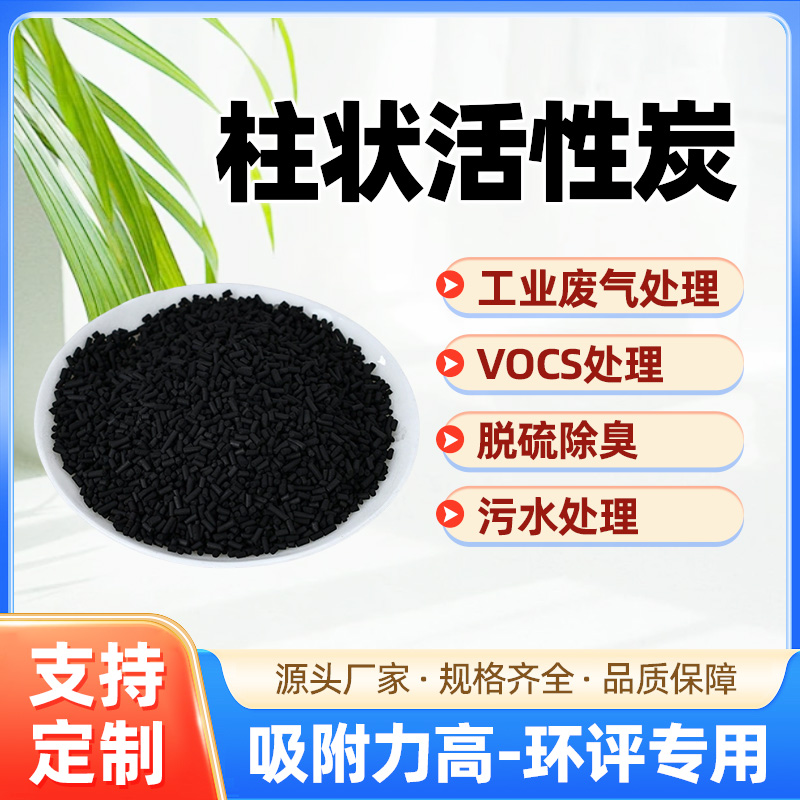
A: Selection based on waste gas composition and treatment volume required. Coconut shell granular activated carbon has a high adsorption capacity (high iodine value) and is suitable for high concentration, low airflow scenarios (such as exhaust from a single printing machine); honeycomb activated carbon has a low pressure drop (≤800Pa), suitable for high airflow, continuous operation scenarios (such as exhaust from an entire production line). Mufeng can provide free component testing services and customized adsorption solutions.
Q2: How to determine the replacement cycle of activated carbon?
A: The replacement cycle is related to exhaust gas concentration, temperature, and humidity. Generally, the replacement point is when the VOCs concentration at the outlet is close to the emission limit. Muerong recommends that enterprises install online monitoring instruments (such as PID sensors) to monitor data in real-time. The replacement cycle for coconut shell carbon is usually 3-6 months, while for honeycomb carbon it is 6-12 months.
Q3: Does the price of Muerong's activated carbon include transportation and tariffs?
A: MuRong offers DDP (Delivered Duty Paid) terms, with quotes including shipping, insurance, and customs duties from Shanghai Port to the designated warehouse in Japan. Taking 10 tons of honeycomb activated carbon as an example, the arrival price in the Kansai region is approximately 2.8 million yen (including tax), 15%-20% lower than domestic suppliers in Japan.
Full Summary: Mu Rong supports Japanese printing companies in their environmental upgrade with technical strength
The Japanese printing industry requires a balance between efficiency, cost, and compliance in waste gas treatment. Mufeng (Shanghai) International Trade Co., Ltd. helps enterprises reduce the per-ton treatment cost by 20%-30% through high iodine value activated carbon, customized specifications, and full-process services, while meeting stringent emission standards. The company's philosophy of "honesty as the foundation, and win-win cooperation" aligns perfectly with the Japanese culture that values long-term partnerships, and has provided stable supplies to many printing companies in Kyoto and Osaka. In the future, Mufeng will continue to optimize product performance (such as developing high-temperature-resistant activated carbon) and expand the business of ancillary materials like aluminum chloride polymer, offering a more comprehensive solution to the Japanese environmental protection market.