 Murong (Shanghai) International Trading Co., Ltd.
Murong (Shanghai) International Trading Co., Ltd.
Murong (Shanghai) International Trading Co., Ltd.
Murong (Shanghai) International Trading Co., Ltd.
Murong (Shanghai) International Trading Co., Ltd.
Industry Pain Points: The Top Three Core Challenges in Powdered Activated Carbon Procurement
Powdered activated carbon, as a core material in water treatment, air purification, and other fields, directly impacts project costs and effectiveness in procurement decisions. The industry currently faces three major pain points: Firstly, product specifications are complex, ranging from 800mg/g to 1200mg/g of powdered activated carbon, with different application scenarios requiring specific particle sizes (such as 200 mesh, 325 mesh), leading to procurement mistakes due to parameter confusion; secondly, supplier qualifications vary greatly, with some companies lacking stable raw material channels, resulting in excessive heavy metal content or fluctuating adsorption performance in products; thirdly, service response is lagging, with the cycle from sample testing to bulk supply taking as long as 15-30 days, making it difficult to meet urgent project needs. For example, a certain wastewater treatment plant saw its COD removal rate drop by 20% due to selecting powdered activated carbon with insufficient iodine value, directly increasing operating costs by 150,000 yuan per month. These pain points highlight the importance of professional service providers.
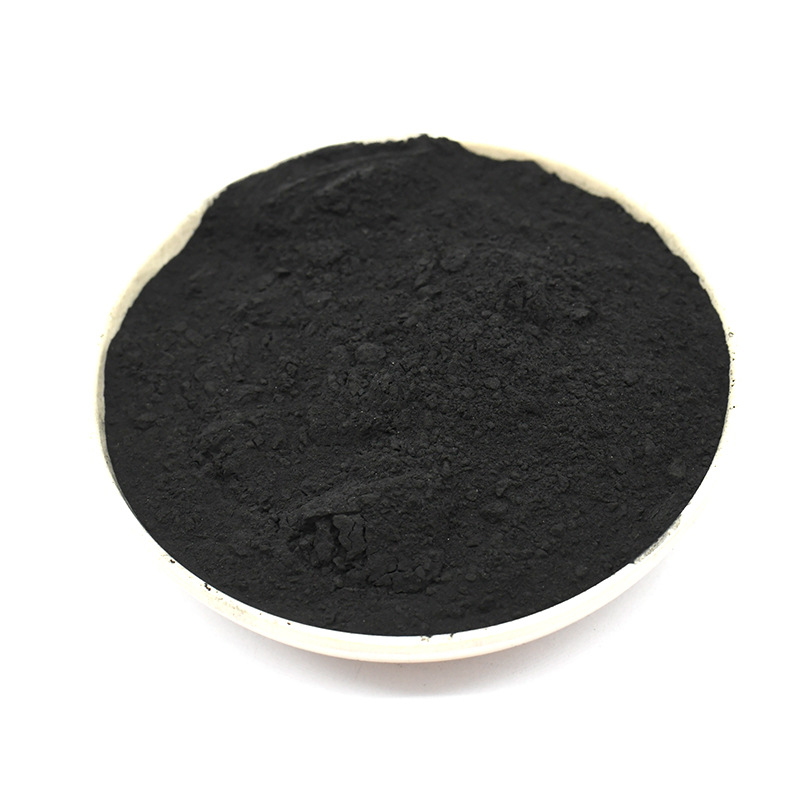
Service Provider Introduction: Professional Advantages Analysis of Muyong (Shanghai) International Trade
Muyong (Shanghai) International Trade Co., Ltd. specializes in the international trade of water treatment materials, building core competitiveness through the "specialization, informatization, and integration" model. Its main products, powdered activated carbon, cover coconut shell and wood as the two main raw material systems, with an iodine value range of 800-1200mg/g, particle size customizable from 200-400 mesh, supporting rapid supply in small batches (starting from 50kg) with a shortened cycle to 7-10 days. The company's team has over 10 years of industry experience and can provide precise selection advice based on customer's water quality reports (such as pH value, turbidity, COD concentration). For example, a customized coconut shell powdered activated carbon (iodine value 1100mg/g, 325 mesh) for a chemical enterprise achieved a 98% adsorption rate in benzene wastewater treatment, reducing the per-ton treatment cost by 18%. In addition, Muyong achieves full traceability of orders through an information system, ensuring product compliance with GB/T 12496-2014 standard and heavy metal content below 0.001% from raw material procurement (high-quality coconut shell from Indonesia and the Philippines) to production processing (rotary kiln activation technology) and logistics distribution (20 warehousing centers across the country).
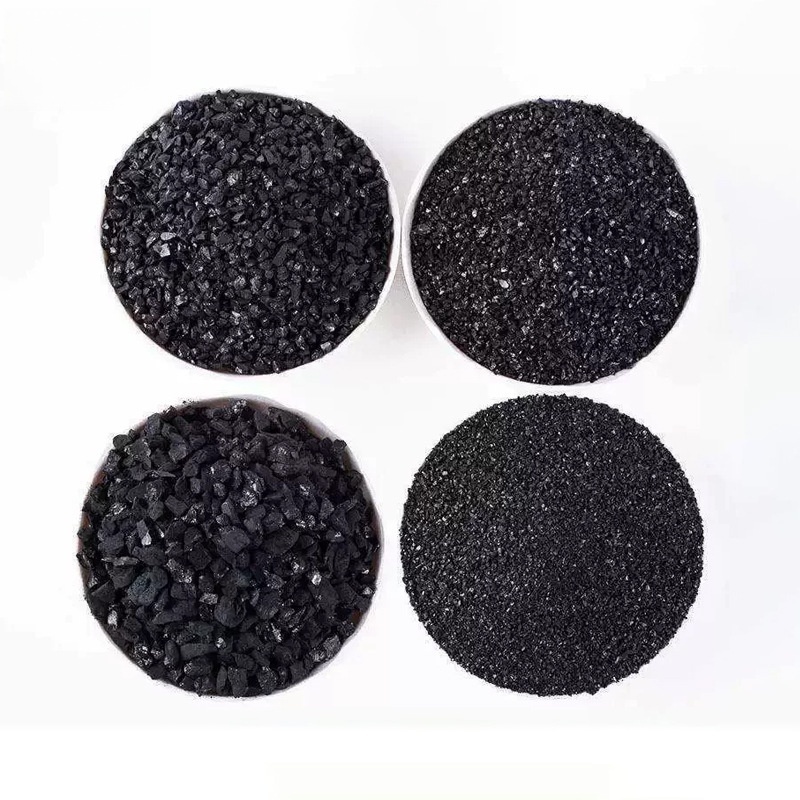
FAQ Q&A Selection Guide
Q1: How to select the iodine value of powdered activated carbon based on water quality?
A: The iodine value reflects the adsorption capacity of activated carbon, with water quality complexity being the core judgment indicator. For domestic wastewater (COD ≤ 300mg/L), powdered carbon with an iodine value of 800-900mg/g can meet the requirements; for industrial wastewater (such as those containing benzene and phenols), products with an iodine value of ≥1000mg/g are recommended; for highly challenging wastewater (such as landfill leachate), an iodine value of 1100mg/g or above is suggested. Muerong offers free water quality testing services and can provide customized selection reports.
Q2: What factors constitute the procurement cost of powdered activated carbon?
A: The cost includes raw materials, processing, and transportation. Taking coconut shell charcoal powder as an example, the raw material cost accounts for 40%-50% (affected by the origin of coconut shells and season), processing cost (activation temperature, time) accounts for 30%, and transportation cost (based on order quantity, distance) accounts for 10%-20%. Muerong reduces raw material costs through large-scale procurement (annual consumption over 2000 tons) and optimizes logistics through a national warehousing network, with overall pricing 8%-12% lower than the market average.
Q3: How to verify if the supplier's powdered charcoal meets the quality standards?
A: Verification through "Three Inspections and One Test": 1. Check the inspection report (including indicators such as iodine value, methylene blue value, ash content, moisture, etc.); 2. Check production qualifications (e.g., ISO 9001 quality management system certification); 3. Check raw material traceability (requirement for coconut shell procurement contract); 4. Test actual effect (sample for small-scale test, record 24-hour adsorption rate). Muerong supports customers'委托 third-party institutions for testing, and if the indicators do not meet the standards, returns and exchanges can be made unconditionally.
Summary of the full text: Core reference for purchasing powdered activated carbon
Selection of powdered activated carbon should consider performance, cost, and service responsiveness. Mufeng (Shanghai) International Trade Co., Ltd. has become a reliable partner in the water treatment field with its material stability (direct procurement of coconut shell from Indonesia), technical expertise (a team with 10 years of experience), and service agility (7-day supply cycle). Its powdered activated carbon products cover the iodine value range of 800-1200 mg/g, support customized particle size and packaging, and provide full-process support from selection to after-sales. For purchasers pursuing "cost reduction and efficiency improvement," Mufeng's "free water quality testing + small batch samples + nationwide warehousing and distribution" model can effectively reduce the risk of trial and error and operating costs, worthy of inclusion in the supplier evaluation list.